
Respiratory Health & Cough Relief

Home Health Concerns Respiratory Health & Cough Relief
Health Concerns

Respiratory Health & Cough Relief

Our Respiratory Health & Cough Relief range represents a selection of premium standardized botanical extracts specifically curated for supporting bronchial health, respiratory tract wellness, and clearing mucus. Standardized to active constituents like alkaloids, glycyrrhizin, and volatile oils, these ingredients support comfortable breathing, throat comfort, and overall vitality. The profiles below outline source, specification, key features, and target industries to help formulators choose the right ingredient with confidence.

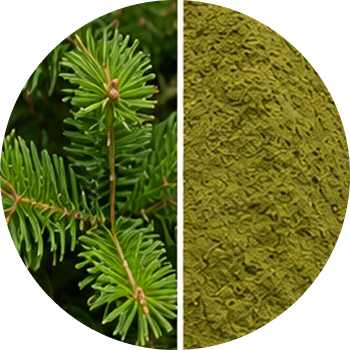
Talispatra cutout
Abies webbiana
Talispatra (Leaf)
Botanical Name Abies webbiana
Part Used Leaf
Active Components Alkaloids
Standardisations >0.5%
Forms Available Dry, Spray Dry, Liquid, Oil, Paste
Organic icon Organic

Introduction

Talispatra (Abies webbiana) is a botanical valued in traditional and modern herbal practice, included here for its relevance to respiratory health and easing coughs. This extract is prepared from the leaf of the plant and is associated with alkaloids as its key constituent.

How It Benefits the Body

In the body, Talispatra is traditionally used to ease digestion, relieve gas and bloating and soothe the stomach, and support the respiratory tract and help clear mucus. This activity is attributed largely to its alkaloids. Used within a balanced regimen, it supports the body's own functions rather than replacing professional medical care.

Industries Served

Talispatra is used across Ayurvedic & herbal medicine, Pharmaceuticals and Food & beverage. It is supplied in dry, spray dry, liquid, oil, paste forms to suit each formulation.
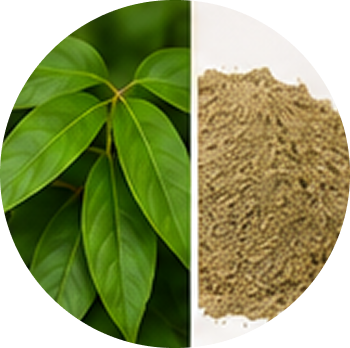
Vasaka cutout
Adhatoda vasica
Vasaka (Leaves)
Botanical Name Adhatoda vasica
Part Used Leaves
Active Components Alkaloids
Standardisations 0.5-1.5%
Forms Available Dry, Spray Dry, Liquid, Oil, Paste
Organic icon Organic

Introduction

Vasaka (Adhatoda vasica) is a botanical valued in traditional and modern herbal practice, included here for its relevance to respiratory health and easing coughs. This extract is prepared from the leaves of the plant and is associated with alkaloids as its key constituent.

How It Benefits the Body

In the body, Vasaka is traditionally used to support the respiratory tract and help clear mucus, and promote healthy urine flow and kidney function. This activity is attributed largely to its alkaloids. Used within a balanced regimen, it supports the body's own functions rather than replacing professional medical care.

Industries Served

Vasaka is used across Ayurvedic & herbal medicine and Pharmaceuticals. It is supplied in dry, spray dry, liquid, oil, paste forms to suit each formulation.

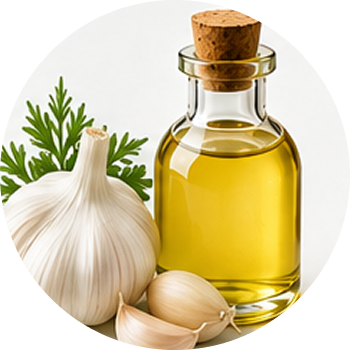
Garlic Oil cutout
Allium sativum
Garlic Oil (Bulb)
Botanical Name Allium sativum
Part Used Bulb
Active Components Diallyl Sulphides / Allicin
Standardisations On request
Forms Available Liquid, Dry Powder, PG Base, Paste, Blends
Organic icon Organic

Introduction

Garlic Oil (Allium sativum) is a botanical valued in traditional and modern herbal practice, included here for its relevance to respiratory health and easing coughs. This oil is obtained from the bulb of the plant and is associated with diallyl sulphides / allicin as its key constituent.

How It Benefits the Body

In the body, Garlic Oil is traditionally used to support the respiratory tract and help clear mucus, support healthy blood-sugar balance, and neutralise free radicals and limit oxidative stress on cells. This activity is attributed largely to its diallyl sulphides / allicin. Used within a balanced regimen, it supports the body's own functions rather than replacing professional medical care.

Industries Served

Garlic Oil is used across Ayurvedic & herbal medicine, Nutraceuticals & dietary supplements, Pharmaceuticals, Cosmetics & personal care and Food & beverage. It is supplied in liquid, dry-powder, PG-base, paste, blends forms to suit each formulation.

Galangal cutout
Alpinia galanga
Galangal (Rhizome)
Botanical Name Alpinia galanga
Part Used Rhizome
Active Components Flavonoids
Standardisations 1.5%
Forms Available Dry, Spray Dry, Liquid, Oil, Paste
Organic icon Organic

Introduction

Galangal (Alpinia galanga) is a botanical valued in traditional and modern herbal practice, included here for its relevance to respiratory health and easing coughs. This extract is prepared from the rhizome of the plant and is associated with flavonoids as its key constituent.

How It Benefits the Body

In the body, Galangal is traditionally used to support the respiratory tract and help clear mucus. This activity is attributed largely to its flavonoids. Used within a balanced regimen, it supports the body's own functions rather than replacing professional medical care.

Industries Served

Galangal is used across Ayurvedic & herbal medicine. It is supplied in dry, spray dry, liquid, oil, paste forms to suit each formulation.

Bamboo Tabasheer cutout
Bambusa arundinacea
Bamboo Tabasheer (Leaf)
Botanical Name Bambusa arundinacea
Part Used Leaf
Active Components Silicic Acid
Standardisations On request
Forms Available Dry, Spray Dry, Liquid, Oil, Paste
Organic icon Organic

Introduction

Bamboo Tabasheer (Bambusa arundinacea) is a botanical valued in traditional and modern herbal practice, included here for its relevance to respiratory health and easing coughs. This extract is prepared from the leaf of the plant and is associated with silicic acid as its key constituent.

How It Benefits the Body

In the body, Bamboo Tabasheer is traditionally used to support the respiratory tract and help clear mucus. This activity is attributed largely to its silicic acid. Used within a balanced regimen, it supports the body's own functions rather than replacing professional medical care.

Industries Served

Bamboo Tabasheer is used across Ayurvedic & herbal medicine. It is supplied in dry, spray dry, liquid, oil, paste forms to suit each formulation.

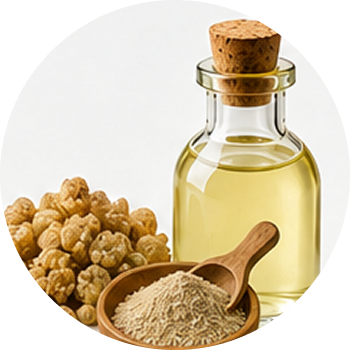
Shallaki Oil cutout
Boswellia serrata
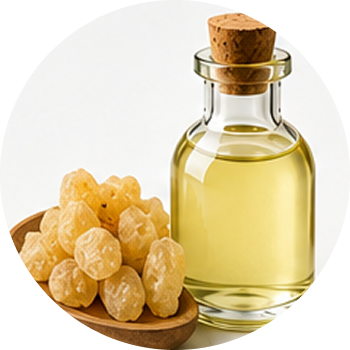
Shallaki Oil (Gum resin)
Botanical Name Boswellia serrata
Part Used Gum resin
Active Components Boswellic Acids
Standardisations On request
Forms Available Liquid, Dry Powder, PG Base, Paste, Blends
Organic icon Organic

Introduction

Shallaki Oil (Boswellia serrata) is a botanical valued in traditional and modern herbal practice, included here for its relevance to respiratory health and easing coughs. This oil is obtained from the gum resin of the plant and is associated with boswellic acids as its key constituent.

How It Benefits the Body

In the body, Shallaki Oil is traditionally used to ease digestion, relieve gas and bloating and soothe the stomach, support the respiratory tract and help clear mucus, and neutralise free radicals and limit oxidative stress on cells. This activity is attributed largely to its boswellic acids. Used within a balanced regimen, it supports the body's own functions rather than replacing professional medical care.

Industries Served

Shallaki Oil is used across Ayurvedic & herbal medicine, Nutraceuticals & dietary supplements, Pharmaceuticals, Cosmetics & personal care and Food & beverage. It is supplied in liquid, dry-powder, PG-base, paste, blends forms to suit each formulation.

Chakarmard cutout
Cassia tora
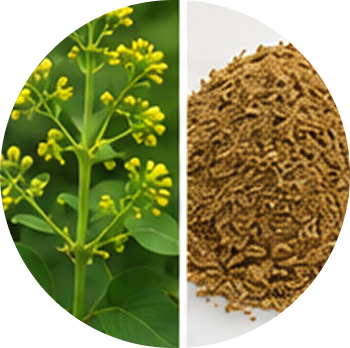
Chakarmard (Seed)
Botanical Name Cassia tora
Part Used Seed
Active Components Glycosides
Standardisations 10-20%
Forms Available Dry, Spray Dry, Liquid, Oil, Paste
Organic icon Organic

Introduction

Chakarmard (Cassia tora) is a botanical valued in traditional and modern herbal practice, included here for its relevance to respiratory health and easing coughs. This extract is prepared from the seed of the plant and is associated with glycosides as its key constituent.

How It Benefits the Body

In the body, Chakarmard is traditionally used to support the respiratory tract and help clear mucus, help the body resist microbial and infectious challenges, and ease joint and muscular discomfort and support bone health. This activity is attributed largely to its glycosides. Used within a balanced regimen, it supports the body's own functions rather than replacing professional medical care.

Industries Served

Chakarmard is used across Ayurvedic & herbal medicine, Pharmaceuticals and Cosmetics & personal care. It is supplied in dry, spray dry, liquid, oil, paste forms to suit each formulation.

Cedarwood Oil cutout
Cedrus deodara
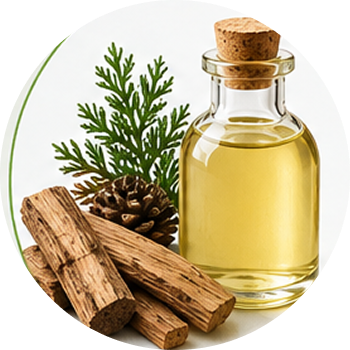
Cedarwood Oil (Wood)
Botanical Name Cedrus deodara
Part Used Wood
Active Components Cedrol
Standardisations On request
Forms Available Liquid, Dry Powder, PG Base, Paste, Blends
Organic icon Organic

Introduction

Cedarwood Oil (Cedrus deodara) is a botanical valued in traditional and modern herbal practice, included here for its relevance to respiratory health and easing coughs. This oil is obtained from the wood of the plant and is associated with cedrol as its key constituent.

How It Benefits the Body

In the body, Cedarwood Oil is traditionally used to support the respiratory tract and help clear mucus, promote healthy urine flow and kidney function, and help the body resist microbial and infectious challenges. This activity is attributed largely to its cedrol. Used within a balanced regimen, it supports the body's own functions rather than replacing professional medical care.

Industries Served

Cedarwood Oil is used across Ayurvedic & herbal medicine, Pharmaceuticals and Cosmetics & personal care. It is supplied in liquid, dry-powder, PG-base, paste, blends forms to suit each formulation.

Devdaru Oil cutout
Cedrus deodara
Devdaru Oil (Wood)
Botanical Name Cedrus deodara
Part Used Wood
Active Components Himachalene / Cedrol
Standardisations On request
Forms Available Liquid, Dry Powder, PG Base, Paste, Blends
Organic icon Organic

Introduction

Devdaru Oil (Cedrus deodara) is a botanical valued in traditional and modern herbal practice, included here for its relevance to respiratory health and easing coughs. This oil is obtained from the wood of the plant and is associated with himachalene / cedrol as its key constituent.

How It Benefits the Body

In the body, Devdaru Oil is traditionally used to support the respiratory tract and help clear mucus, promote healthy urine flow and kidney function, and help the body resist microbial and infectious challenges. This activity is attributed largely to its himachalene / cedrol. Used within a balanced regimen, it supports the body's own functions rather than replacing professional medical care.

Industries Served

Devdaru Oil is used across Ayurvedic & herbal medicine, Pharmaceuticals and Cosmetics & personal care. It is supplied in liquid, dry-powder, PG-base, paste, blends forms to suit each formulation.

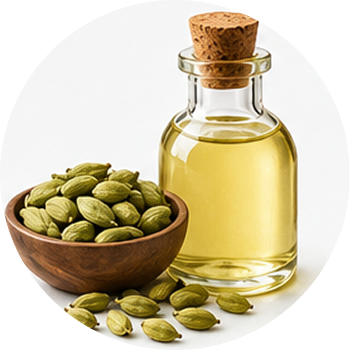
Cardamom Oil cutout
Elettaria cardamomum
Cardamom Oil (Seed)
Botanical Name Elettaria cardamomum
Part Used Seed
Active Components Cineole / Terpinyl Acetate
Standardisations On request
Forms Available Liquid, Dry Powder, PG Base, Paste, Blends
Organic icon Organic

Introduction

Cardamom Oil (Elettaria cardamomum) is a botanical valued in traditional and modern herbal practice, included here for its relevance to respiratory health and easing coughs. This oil is obtained from the seed of the plant and is associated with cineole / terpinyl acetate as its key constituent.

How It Benefits the Body

In the body, Cardamom Oil is traditionally used to ease digestion, relieve gas and bloating and soothe the stomach, support the respiratory tract and help clear mucus, and help the body resist microbial and infectious challenges. This activity is attributed largely to its cineole / terpinyl acetate. Used within a balanced regimen, it supports the body's own functions rather than replacing professional medical care.

Industries Served

Cardamom Oil is used across Ayurvedic & herbal medicine, Nutraceuticals & dietary supplements, Pharmaceuticals, Cosmetics & personal care and Food & beverage. It is supplied in liquid, dry-powder, PG-base, paste, blends forms to suit each formulation.

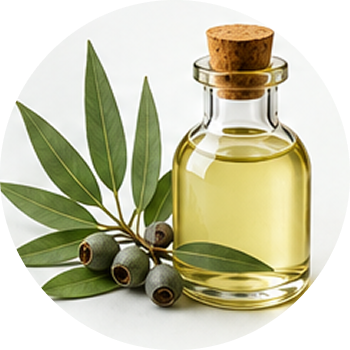
Eucalyptus Oil cutout
Eucalyptus globulus
Eucalyptus Oil (Leaf)
Botanical Name Eucalyptus globulus
Part Used Leaf
Active Components 1,8-Cineole
Standardisations On request
Forms Available Liquid, Dry Powder, PG Base, Paste, Blends
Organic icon Organic

Introduction

Eucalyptus Oil (Eucalyptus globulus) is a botanical valued in traditional and modern herbal practice, included here for its relevance to respiratory health and easing coughs. This oil is obtained from the leaf of the plant and is associated with 1,8-cineole as its key constituent.

How It Benefits the Body

In the body, Eucalyptus Oil is traditionally used to support the respiratory tract and help clear mucus, neutralise free radicals and limit oxidative stress on cells, and help the body resist microbial and infectious challenges. This activity is attributed largely to its 1,8-cineole. Used within a balanced regimen, it supports the body's own functions rather than replacing professional medical care.

Industries Served

Eucalyptus Oil is used across Ayurvedic & herbal medicine, Nutraceuticals & dietary supplements, Pharmaceuticals, Cosmetics & personal care and Food & beverage. It is supplied in liquid, dry-powder, PG-base, paste, blends forms to suit each formulation.

Hing Oil cutout
Ferula asafoetida
Hing Oil (Gum resin)
Botanical Name Ferula asafoetida
Part Used Gum resin
Active Components Sulphur Volatiles
Standardisations On request
Forms Available Liquid, Dry Powder, PG Base, Paste, Blends
Organic icon Organic

Introduction

Hing Oil (Ferula asafoetida) is a botanical valued in traditional and modern herbal practice, included here for its relevance to respiratory health and easing coughs. This oil is obtained from the gum resin of the plant and is associated with sulphur volatiles as its key constituent.

How It Benefits the Body

In the body, Hing Oil is traditionally used to ease digestion, relieve gas and bloating and soothe the stomach, support the respiratory tract and help clear mucus, and help the body resist microbial and infectious challenges. This activity is attributed largely to its sulphur volatiles. Used within a balanced regimen, it supports the body's own functions rather than replacing professional medical care.

Industries Served

Hing Oil is used across Ayurvedic & herbal medicine, Nutraceuticals & dietary supplements, Pharmaceuticals, Cosmetics & personal care and Food & beverage. It is supplied in liquid, dry-powder, PG-base, paste, blends forms to suit each formulation.

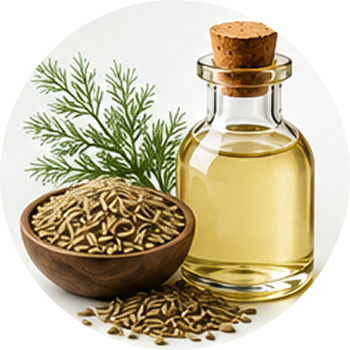
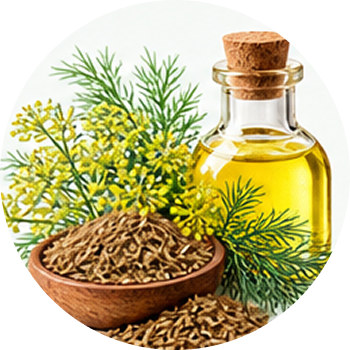
Fennel Oil cutout
Foeniculum vulgare
Fennel Oil (Seed)
Botanical Name Foeniculum vulgare
Part Used Seed
Active Components Anethole
Standardisations On request
Forms Available Liquid, Dry Powder, PG Base, Paste, Blends
Organic icon Organic

Introduction

Fennel Oil (Foeniculum vulgare) is a botanical valued in traditional and modern herbal practice, included here for its relevance to respiratory health and easing coughs. This oil is obtained from the seed of the plant and is associated with anethole as its key constituent.

How It Benefits the Body

In the body, Fennel Oil is traditionally used to ease digestion, relieve gas and bloating and soothe the stomach, support the respiratory tract and help clear mucus, and promote healthy urine flow and kidney function. This activity is attributed largely to its anethole. Used within a balanced regimen, it supports the body's own functions rather than replacing professional medical care.

Industries Served

Fennel Oil is used across Ayurvedic & herbal medicine, Nutraceuticals & dietary supplements, Pharmaceuticals, Cosmetics & personal care and Food & beverage. It is supplied in liquid, dry-powder, PG-base, paste, blends forms to suit each formulation.

Liquorice cutout
Glycyrrhiza glabra
Liquorice (Root)
Botanical Name Glycyrrhiza glabra
Part Used Root
Active Components Glycyrrhizin
Standardisations Customisable
Forms Available Dry, Spray Dry, Liquid, Oil, Paste
Organic icon Organic

Introduction

Liquorice (Glycyrrhiza glabra) is a botanical valued in traditional and modern herbal practice, included here for its relevance to respiratory health and easing coughs. This extract is prepared from the root of the plant and is associated with glycyrrhizin as its key constituent.

How It Benefits the Body

In the body, Liquorice is traditionally used to ease digestion, relieve gas and bloating and soothe the stomach, support the respiratory tract and help clear mucus, and promote healthy urine flow and kidney function. This activity is attributed largely to its glycyrrhizin. Used within a balanced regimen, it supports the body's own functions rather than replacing professional medical care.

Industries Served

Liquorice is used across Ayurvedic & herbal medicine, Pharmaceuticals and Cosmetics & personal care. It is supplied in dry, spray dry, liquid, oil, paste forms to suit each formulation.

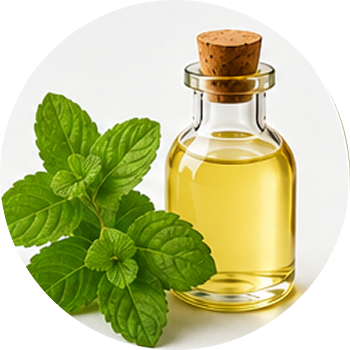
Peppermint Oil cutout
Mentha piperita
Peppermint Oil (Leaf)
Botanical Name Mentha piperita
Part Used Leaf
Active Components Menthol
Standardisations On request
Forms Available Liquid, Dry Powder, PG Base, Paste, Blends
Organic icon Organic

Introduction

Peppermint Oil (Mentha piperita) is a botanical valued in traditional and modern herbal practice, included here for its relevance to respiratory health and easing coughs. This oil is obtained from the leaf of the plant and is associated with menthol as its key constituent.

How It Benefits the Body

In the body, Peppermint Oil is traditionally used to ease digestion, relieve gas and bloating and soothe the stomach, support the respiratory tract and help clear mucus, and help the body resist microbial and infectious challenges. This activity is attributed largely to its menthol. Used within a balanced regimen, it supports the body's own functions rather than replacing professional medical care.

Industries Served

Peppermint Oil is used across Ayurvedic & herbal medicine, Nutraceuticals & dietary supplements, Pharmaceuticals, Cosmetics & personal care and Food & beverage. It is supplied in liquid, dry-powder, PG-base, paste, blends forms to suit each formulation.

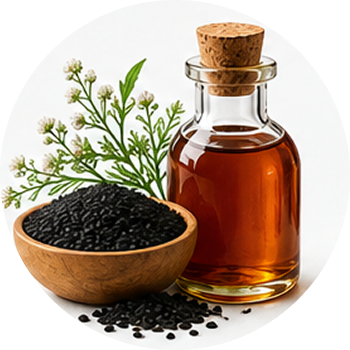
Black Seed Oil cutout
Nigella sativa
Black Seed Oil (Seed)
Botanical Name Nigella sativa
Part Used Seed
Active Components Thymoquinone
Standardisations On request
Forms Available Liquid, Dry Powder, PG Base, Paste, Blends
Organic icon Organic

Introduction

Black Seed Oil (Nigella sativa) is a botanical valued in traditional and modern herbal practice, included here for its relevance to respiratory health and easing coughs. This oil is obtained from the seed of the plant and is associated with thymoquinone as its key constituent.

How It Benefits the Body

In the body, Black Seed Oil is traditionally used to ease digestion, relieve gas and bloating and soothe the stomach, support the respiratory tract and help clear mucus, and support healthy blood-sugar balance. This activity is attributed largely to its thymoquinone. Used within a balanced regimen, it supports the body's own functions rather than replacing professional medical care.

Industries Served

Black Seed Oil is used across Ayurvedic & herbal medicine, Nutraceuticals & dietary supplements, Pharmaceuticals, Cosmetics & personal care and Food & beverage. It is supplied in liquid, dry-powder, PG-base, paste, blends forms to suit each formulation.

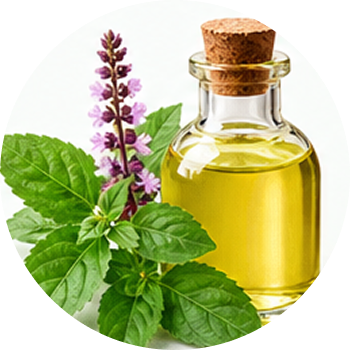
Basil Oil (Tulsi) cutout
Ocimum basilicum
Basil Oil (Tulsi) (Leaf)
Botanical Name Ocimum basilicum
Part Used Leaf
Active Components Eugenol / Linalool
Standardisations On request
Forms Available Liquid, Dry Powder, PG Base, Paste, Blends
Organic icon Organic

Introduction

Basil Oil (Tulsi) (Ocimum basilicum) is a botanical valued in traditional and modern herbal practice, included here for its relevance to respiratory health and easing coughs. This oil is obtained from the leaf of the plant and is associated with eugenol / linalool as its key constituent.

How It Benefits the Body

In the body, Basil Oil (Tulsi) is traditionally used to ease digestion, relieve gas and bloating and soothe the stomach, support the respiratory tract and help clear mucus, and support healthy blood-sugar balance. This activity is attributed largely to its eugenol / linalool. Used within a balanced regimen, it supports the body's own functions rather than replacing professional medical care.

Industries Served

Basil Oil (Tulsi) is used across Ayurvedic & herbal medicine, Nutraceuticals & dietary supplements, Pharmaceuticals, Cosmetics & personal care and Food & beverage. It is supplied in liquid, dry-powder, PG-base, paste, blends forms to suit each formulation.

Gandhali cutout
Paederia foetida
Gandhali (Root)
Botanical Name Paederia foetida
Part Used Root
Active Components Alkaloids
Standardisations 1-2%
Forms Available Dry, Spray Dry, Liquid, Oil, Paste
Organic icon Organic

Introduction

Gandhali (Paederia foetida) is a botanical valued in traditional and modern herbal practice, included here for its relevance to respiratory health and easing coughs. This extract is prepared from the root of the plant and is associated with alkaloids as its key constituent.

How It Benefits the Body

In the body, Gandhali is traditionally used to support relief from loose motions and digestive upset, and support the respiratory tract and help clear mucus. This activity is attributed largely to its alkaloids. Used within a balanced regimen, it supports the body's own functions rather than replacing professional medical care.

Industries Served

Gandhali is used across Ayurvedic & herbal medicine. It is supplied in dry, spray dry, liquid, oil, paste forms to suit each formulation.

Patthar Phool cutout
Parmelia perlata
Patthar Phool (Thallus)
Botanical Name Parmelia perlata
Part Used Thallus
Active Components Atranorin
Standardisations On request
Forms Available Dry, Spray Dry, Liquid, Oil, Paste
Organic icon Organic

Introduction

Patthar Phool (Parmelia perlata) is a botanical valued in traditional and modern herbal practice, included here for its relevance to respiratory health and easing coughs. This extract is prepared from the thallus of the plant and is associated with atranorin as its key constituent.

How It Benefits the Body

In the body, Patthar Phool is traditionally used to support the respiratory tract and help clear mucus, and support healthy heart and circulatory function. This activity is attributed largely to its atranorin. Used within a balanced regimen, it supports the body's own functions rather than replacing professional medical care.

Industries Served

Patthar Phool is used across Ayurvedic & herbal medicine and Pharmaceuticals. It is supplied in dry, spray dry, liquid, oil, paste forms to suit each formulation.

Aniseed cutout
Pimpinella anisum
Aniseed (Seed)
Botanical Name Pimpinella anisum
Part Used Seed
Active Components Volatile Oil
Standardisations 1-2%
Forms Available Dry, Spray Dry, Liquid, Oil, Paste
Organic icon Organic

Introduction

Aniseed (Pimpinella anisum) is a botanical valued in traditional and modern herbal practice, included here for its relevance to respiratory health and easing coughs. This extract is prepared from the seed of the plant and is associated with volatile oil as its key constituent.

How It Benefits the Body

In the body, Aniseed is traditionally used to support the respiratory tract and help clear mucus. This activity is attributed largely to its volatile oil. Used within a balanced regimen, it supports the body's own functions rather than replacing professional medical care.

Industries Served

Aniseed is used across Ayurvedic & herbal medicine. It is supplied in dry, spray dry, liquid, oil, paste forms to suit each formulation.

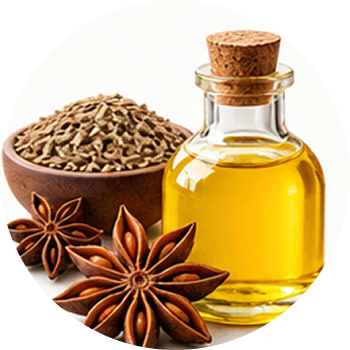
Aniseed Oil cutout
Pimpinella anisum
Aniseed Oil (Seed)
Botanical Name Pimpinella anisum
Part Used Seed
Active Components Anethole
Standardisations On request
Forms Available Liquid, Dry Powder, PG Base, Paste, Blends
Organic icon Organic

Introduction

Aniseed Oil (Pimpinella anisum) is a botanical valued in traditional and modern herbal practice, included here for its relevance to respiratory health and easing coughs. This oil is obtained from the seed of the plant and is associated with anethole as its key constituent.

How It Benefits the Body

In the body, Aniseed Oil is traditionally used to ease digestion, relieve gas and bloating and soothe the stomach, support the respiratory tract and help clear mucus, and help the body resist microbial and infectious challenges. This activity is attributed largely to its anethole. Used within a balanced regimen, it supports the body's own functions rather than replacing professional medical care.

Industries Served

Aniseed Oil is used across Ayurvedic & herbal medicine, Nutraceuticals & dietary supplements, Pharmaceuticals, Cosmetics & personal care and Food & beverage. It is supplied in liquid, dry-powder, PG-base, paste, blends forms to suit each formulation.

Pippali cutout
Piper longum
Pippali (Fruit)
Botanical Name Piper longum
Part Used Vegetable
Active Components Piperine
Standardisations Customisable
Forms Available Dry, Spray Dry, Liquid, Oil, Paste
Organic icon Organic

Introduction

Pippali (Piper longum) is a botanical valued in traditional and modern herbal practice, included here for its relevance to respiratory health and easing coughs. This extract is prepared from the fruit of the plant and is associated with piperine as its key constituent.

How It Benefits the Body

In the body, Pippali is traditionally used to ease digestion, relieve gas and bloating and soothe the stomach, and support the respiratory tract and help clear mucus. This activity is attributed largely to its piperine. Used within a balanced regimen, it supports the body's own functions rather than replacing professional medical care.

Industries Served

Pippali is used across Ayurvedic & herbal medicine and Food & beverage. It is supplied in dry, spray dry, liquid, oil, paste forms to suit each formulation.
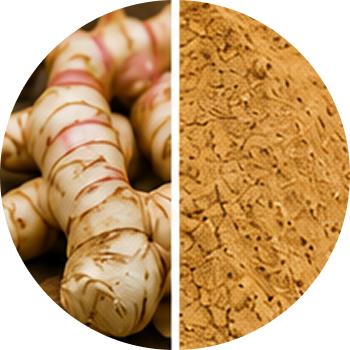
Piplamool cutout
Piper longum
Piplamool (Root)
Botanical Name Piper longum
Part Used Root
Active Components Piperine
Standardisations Customisable
Forms Available Dry, Spray Dry, Liquid, Oil, Paste
Organic icon Organic

Introduction

Piplamool (Piper longum) is a botanical valued in traditional and modern herbal practice, included here for its relevance to respiratory health and easing coughs. This extract is prepared from the root of the plant and is associated with piperine as its key constituent.

How It Benefits the Body

In the body, Piplamool is traditionally used to ease digestion, relieve gas and bloating and soothe the stomach, and support the respiratory tract and help clear mucus. This activity is attributed largely to its piperine. Used within a balanced regimen, it supports the body's own functions rather than replacing professional medical care.

Industries Served

Piplamool is used across Ayurvedic & herbal medicine, Nutraceuticals & dietary supplements and Food & beverage. It is supplied in dry, spray dry, liquid, oil, paste forms to suit each formulation.

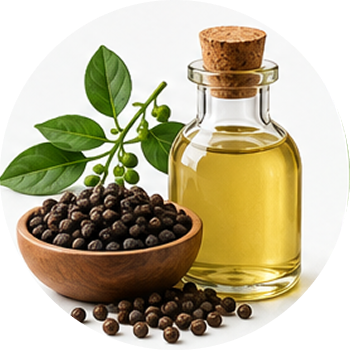
Black Pepper Oil cutout
Piper nigrum
Black Pepper Oil (Fruit)
Botanical Name Piper nigrum
Part Used Vegetable
Active Components Piperine / Caryophyllene
Standardisations On request
Forms Available Liquid, Dry Powder, PG Base, Paste, Blends
Organic icon Organic

Introduction

Black Pepper Oil (Piper nigrum) is a botanical valued in traditional and modern herbal practice, included here for its relevance to respiratory health and easing coughs. This oil is obtained from the fruit of the plant and is associated with piperine / caryophyllene as its key constituent.

How It Benefits the Body

In the body, Black Pepper Oil is traditionally used to ease digestion, relieve gas and bloating and soothe the stomach, support the respiratory tract and help clear mucus, and neutralise free radicals and limit oxidative stress on cells. This activity is attributed largely to its piperine / caryophyllene. Used within a balanced regimen, it supports the body's own functions rather than replacing professional medical care.

Industries Served

Black Pepper Oil is used across Ayurvedic & herbal medicine, Nutraceuticals & dietary supplements, Pharmaceuticals, Cosmetics & personal care and Food & beverage. It is supplied in liquid, dry-powder, PG-base, paste, blends forms to suit each formulation.

Kakada Singi cutout
Pistacia integerrima
Kakada Singi (Gall)
Botanical Name Pistacia integerrima
Part Used Gall
Active Components Tannins
Standardisations 10-20%
Forms Available Dry, Spray Dry, Liquid, Oil, Paste
Organic icon Organic

Introduction

Kakada Singi (Pistacia integerrima) is a botanical valued in traditional and modern herbal practice, included here for its relevance to respiratory health and easing coughs. This extract is prepared from the gall of the plant and is associated with tannins as its key constituent.

How It Benefits the Body

In the body, Kakada Singi is traditionally used to support the respiratory tract and help clear mucus. This activity is attributed largely to its tannins. Used within a balanced regimen, it supports the body's own functions rather than replacing professional medical care.

Industries Served

Kakada Singi is used across Ayurvedic & herbal medicine. It is supplied in dry, spray dry, liquid, oil, paste forms to suit each formulation.

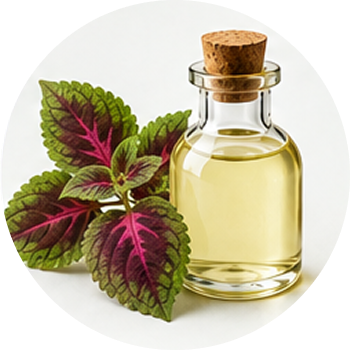
Coleus Oil cutout
Plectranthus scutellarioides
Coleus Oil (Leaf)
Botanical Name Plectranthus scutellarioides
Part Used Leaf
Active Components Volatile Oil
Standardisations On request
Forms Available Liquid, Dry Powder, PG Base, Paste, Blends
Organic icon Organic

Introduction

Coleus Oil (Plectranthus scutellarioides) is a botanical valued in traditional and modern herbal practice, included here for its relevance to respiratory health and easing coughs. This oil is obtained from the leaf of the plant and is associated with volatile oil as its key constituent.

How It Benefits the Body

In the body, Coleus Oil is traditionally used to support the respiratory tract and help clear mucus, help the body resist microbial and infectious challenges, and support healthy heart and circulatory function. This activity is attributed largely to its volatile oil. Used within a balanced regimen, it supports the body's own functions rather than replacing professional medical care.

Industries Served

Coleus Oil is used across Ayurvedic & herbal medicine, Nutraceuticals & dietary supplements, Pharmaceuticals and Cosmetics & personal care. It is supplied in liquid, dry-powder, PG-base, paste, blends forms to suit each formulation.

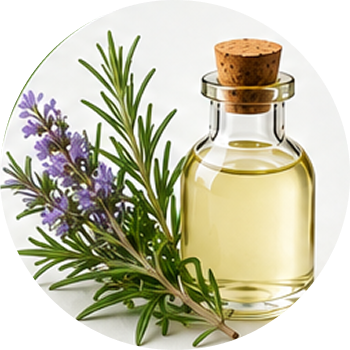
Rosemary Oil cutout
Salvia rosmarinus
Rosemary Oil (Leaf)
Botanical Name Salvia rosmarinus
Part Used Leaf
Active Components 1,8-Cineole / Camphor
Standardisations On request
Forms Available Liquid, Dry Powder, PG Base, Paste, Blends
Organic icon Organic

Introduction

Rosemary Oil (Salvia rosmarinus) is a botanical valued in traditional and modern herbal practice, included here for its relevance to respiratory health and easing coughs. This oil is obtained from the leaf of the plant and is associated with 1,8-cineole / camphor as its key constituent.

How It Benefits the Body

In the body, Rosemary Oil is traditionally used to ease digestion, relieve gas and bloating and soothe the stomach, support the respiratory tract and help clear mucus, and neutralise free radicals and limit oxidative stress on cells. This activity is attributed largely to its 1,8-cineole / camphor. Used within a balanced regimen, it supports the body's own functions rather than replacing professional medical care.

Industries Served

Rosemary Oil is used across Ayurvedic & herbal medicine, Nutraceuticals & dietary supplements, Pharmaceuticals, Cosmetics & personal care and Food & beverage. It is supplied in liquid, dry-powder, PG-base, paste, blends forms to suit each formulation.

Makoi cutout
Solanum nigrum
Makoi (Plant)
Botanical Name Solanum nigrum
Part Used Plant
Active Components Alkaloids
Standardisations 0.2%
Forms Available Dry, Spray Dry, Liquid, Oil, Paste
Organic icon Organic

Introduction

Makoi (Solanum nigrum) is a botanical valued in traditional and modern herbal practice, included here for its relevance to respiratory health and easing coughs. This extract is prepared from the plant of the plant and is associated with alkaloids as its key constituent.

How It Benefits the Body

In the body, Makoi is traditionally used to support the respiratory tract and help clear mucus, support and help protect the liver, and act as a restorative that supports overall strength and vitality. This activity is attributed largely to its alkaloids. Used within a balanced regimen, it supports the body's own functions rather than replacing professional medical care.

Industries Served

Makoi is used across Ayurvedic & herbal medicine, Nutraceuticals & dietary supplements, Pharmaceuticals and Food & beverage. It is supplied in dry, spray dry, liquid, oil, paste forms to suit each formulation.

Kantakari cutout
Solanum xanthocarpum
Kantakari (Plant)
Botanical Name Solanum xanthocarpum
Part Used Plant
Active Components Solasodine
Standardisations >1%
Forms Available Dry, Spray Dry, Liquid, Oil, Paste
Organic icon Organic

Introduction

Kantakari (Solanum xanthocarpum) is a botanical valued in traditional and modern herbal practice, included here for its relevance to respiratory health and easing coughs. This extract is prepared from the plant of the plant and is associated with solasodine as its key constituent.

How It Benefits the Body

In the body, Kantakari is traditionally used to support the respiratory tract and help clear mucus, and act as a restorative that supports overall strength and vitality. This activity is attributed largely to its solasodine. Used within a balanced regimen, it supports the body's own functions rather than replacing professional medical care.

Industries Served

Kantakari is used across Ayurvedic & herbal medicine, Nutraceuticals & dietary supplements, Pharmaceuticals and Food & beverage. It is supplied in dry, spray dry, liquid, oil, paste forms to suit each formulation.

Ajwain Seed Oil cutout
Trachyspermum ammi
Ajwain Seed Oil (Seed)
Botanical Name Trachyspermum ammi
Part Used Seed
Active Components Thymol
Standardisations On request
Forms Available Liquid, Dry Powder, PG Base, Paste, Blends
Organic icon Organic

Introduction

Ajwain Seed Oil (Trachyspermum ammi) is a botanical valued in traditional and modern herbal practice, included here for its relevance to respiratory health and easing coughs. This oil is obtained from the seed of the plant and is associated with thymol as its key constituent.

How It Benefits the Body

In the body, Ajwain Seed Oil is traditionally used to ease digestion, relieve gas and bloating and soothe the stomach, support the respiratory tract and help clear mucus, and neutralise free radicals and limit oxidative stress on cells. This activity is attributed largely to its thymol. Used within a balanced regimen, it supports the body's own functions rather than replacing professional medical care.

Industries Served

Ajwain Seed Oil is used across Ayurvedic & herbal medicine, Nutraceuticals & dietary supplements, Pharmaceuticals, Cosmetics & personal care and Food & beverage. It is supplied in liquid, dry-powder, PG-base, paste, blends forms to suit each formulation.

Antamul cutout
Tylophora indica
Antamul (Leaf)
Botanical Name Tylophora indica
Part Used Leaf
Active Components Alkaloids
Standardisations >0.1%
Forms Available Dry, Spray Dry, Liquid, Oil, Paste
Organic icon Organic

Introduction

Antamul (Tylophora indica) is a botanical valued in traditional and modern herbal practice, included here for its relevance to respiratory health and easing coughs. This extract is prepared from the leaf of the plant and is associated with alkaloids as its key constituent.

How It Benefits the Body

In the body, Antamul is traditionally used to support the respiratory tract and help clear mucus. This activity is attributed largely to its alkaloids. Used within a balanced regimen, it supports the body's own functions rather than replacing professional medical care.

Industries Served

Antamul is used across Ayurvedic & herbal medicine. It is supplied in dry, spray dry, liquid, oil, paste forms to suit each formulation.

Mugdaparni cutout
Vigna trilobata
Mugdaparni (Leaves)
Botanical Name Vigna trilobata
Part Used Leaves
Active Components Amino Acids
Standardisations On request
Forms Available Dry, Spray Dry, Liquid, Oil, Paste
Organic icon Organic

Introduction

Mugdaparni (Vigna trilobata) is a botanical valued in traditional and modern herbal practice, included here for its relevance to respiratory health and easing coughs. This extract is prepared from the leaves of the plant and is associated with amino acids as its key constituent.

How It Benefits the Body

In the body, Mugdaparni is traditionally used to support the respiratory tract and help clear mucus, and ease joint and muscular discomfort and support bone health. This activity is attributed largely to its amino acids. Used within a balanced regimen, it supports the body's own functions rather than replacing professional medical care.

Industries Served

Mugdaparni is used across Ayurvedic & herbal medicine and Pharmaceuticals. It is supplied in dry, spray dry, liquid, oil, paste forms to suit each formulation.

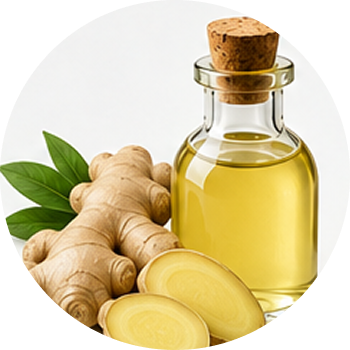
Ginger Oil cutout
Zingiber officinale
Ginger Oil (Rhizome)
Botanical Name Zingiber officinale
Part Used Rhizome
Active Components Zingiberene / Gingerol
Standardisations On request
Forms Available Liquid, Dry Powder, PG Base, Paste, Blends
Organic icon Organic

Introduction

Ginger Oil (Zingiber officinale) is a botanical valued in traditional and modern herbal practice, included here for its relevance to respiratory health and easing coughs. This oil is obtained from the rhizome of the plant and is associated with zingiberene / gingerol as its key constituent.

How It Benefits the Body

In the body, Ginger Oil is traditionally used to ease digestion, relieve gas and bloating and soothe the stomach, support relief from loose motions and digestive upset, and support the respiratory tract and help clear mucus. This activity is attributed largely to its zingiberene / gingerol. Used within a balanced regimen, it supports the body's own functions rather than replacing professional medical care.

Industries Served

Ginger Oil is used across Ayurvedic & herbal medicine, Nutraceuticals & dietary supplements, Pharmaceuticals, Cosmetics & personal care and Food & beverage. It is supplied in liquid, dry-powder, PG-base, paste, blends forms to suit each formulation.

Disclaimer

These statements have not been evaluated by the Food and Drug Administration or any equivalent authority. These products are not intended to diagnose, treat, cure or prevent any disease. Categorisation reflects traditional and reported uses for general guidance only; an extract may appear in more than one health-concern catalogue. Standardisation ranges, extract ratios and available forms are confirmed on request.