
EYE & VISION HEALTH

Home Health Concerns EYE & VISION HEALTH
Health Concerns

EYE & VISION HEALTH

This catalogue features botanical herbal extracts selected to support eye health and vision wellness in dairy animals. Extracts are chosen for their role in maintaining healthy vision, antioxidant protection, and overall eye function. These botanicals contribute to visual health, cellular protection, and improved animal well-being.

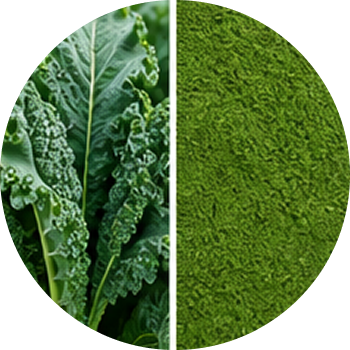
Kale cutout
Kale
Leaf
Botanical Name Brassica oleracea var. acephala
Common Name Kale
Part Used Leaf
Active Components Lutein / Glucosinolates
Standardisations On request
Forms Available Dry, Spray Dry, Liquid, Oil, Paste
Herbal Extract Ratio On request
Organic icon Organic

Introduction

Kale (Brassica oleracea var. acephala) is a botanical valued in traditional and modern herbal practice, included here for its relevance to eye and vision health. This extract is prepared from the leaf of the plant and is associated with lutein / glucosinolates as its key constituent.

How It Benefits the Body

In the body, Kale is traditionally used to support and help protect the liver, support the body's natural detoxification and blood-cleansing, and neutralise free radicals and limit oxidative stress on cells. This activity is attributed largely to its lutein / glucosinolates. Used within a balanced regimen, it supports the body's own functions rather than replacing professional medical care.

Industries Served

Kale is used across Ayurvedic & herbal medicine, Nutraceuticals & dietary supplements, Cosmetics & personal care and Food & beverage. It is supplied in dry, spray-dried, liquid, oil and paste forms to suit each formulation.

eye health, vision support, lutein, glucosinolates, antioxidant support, herbal extracts, nutraceuticals
Pumpkin cutout
Pumpkin
Fruit
Botanical Name Cucurbita pepo
Common Name Pumpkin
Part Used Vegetable
Active Components Carotenoids / Vitamin A
Standardisations On request
Forms Available Dry, Spray Dry, Liquid, Oil, Paste
Herbal Extract Ratio On request
Organic icon Organic

Introduction

Pumpkin (Cucurbita pepo) is a botanical valued in traditional and modern herbal practice, included here for its relevance to eye and vision health. This extract is prepared from the fruit of the plant and is associated with carotenoids / vitamin A as its key constituent.

How It Benefits the Body

In the body, Pumpkin is traditionally used to neutralise free radicals and limit oxidative stress on cells, and support eye health and healthy vision. This activity is attributed largely to its carotenoids / vitamin A. Used within a balanced regimen, it supports the body's own functions rather than replacing professional medical care.

Industries Served

Pumpkin is used across Ayurvedic & herbal medicine, Nutraceuticals & dietary supplements, Cosmetics & personal care and Food & beverage. It is supplied in dry, spray-dried, liquid, oil and paste forms to suit each formulation.

eye health, vision support, carotenoids, vitamin A, antioxidant support, herbal extracts, nutraceuticals
Carrot cutout
Carrot
Root
Botanical Name Daucus carota
Common Name Carrot
Part Used Root
Active Components Beta-carotene
Standardisations On request
Forms Available Dry, Spray Dry, Liquid, Oil, Paste
Herbal Extract Ratio On request
Organic icon Organic

Introduction

Carrot (Daucus carota) is a botanical valued in traditional and modern herbal practice, included here for its relevance to eye and vision health. This extract is prepared from the root of the plant and is associated with beta-carotene as its key constituent.

How It Benefits the Body

In the body, Carrot is traditionally used to neutralise free radicals and limit oxidative stress on cells, support healthy skin, hair and a clear complexion, and support eye health and healthy vision. This activity is attributed largely to its beta-carotene. Used within a balanced regimen, it supports the body's own functions rather than replacing professional medical care.

Industries Served

Carrot is used across Ayurvedic & herbal medicine, Nutraceuticals & dietary supplements, Cosmetics & personal care and Food & beverage. It is supplied in dry, spray-dried, liquid, oil and paste forms to suit each formulation.

eye health, vision support, beta-carotene, antioxidant support, skin health, herbal extracts, nutraceuticals
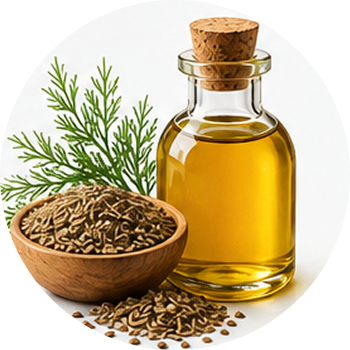
Carrot Seed Oil cutout
Carrot Seed Oil
Seed
Botanical Name Daucus carota
Common Name Carrot Seed Oil
Part Used Seed
Active Components Carotol
Standardisations On request
Forms Available Liquid, Dry Powder, PG Base, Paste, Blends
Herbal Extract Ratio On request
Organic icon Organic

Introduction

Carrot Seed Oil (Daucus carota) is a botanical valued in traditional and modern herbal practice, included here for its relevance to eye and vision health. This oil is obtained from the seed of the plant and is associated with carotol as its key constituent.

How It Benefits the Body

In the body, Carrot Seed Oil is traditionally used to support and help protect the liver, support the body's natural detoxification and blood-cleansing, and neutralise free radicals and limit oxidative stress on cells. This activity is attributed largely to its carotol. Used within a balanced regimen, it supports the body's own functions rather than replacing professional medical care.

Industries Served

Carrot Seed Oil is used across Ayurvedic & herbal medicine, Nutraceuticals & dietary supplements, Cosmetics & personal care and Food & beverage. It is supplied in liquid, dry-powder, PG-base, paste and blend forms to suit each formulation.

eye health, vision support, carrot seed oil, carotol, antioxidant support, herbal extracts, essential oil, nutraceuticals
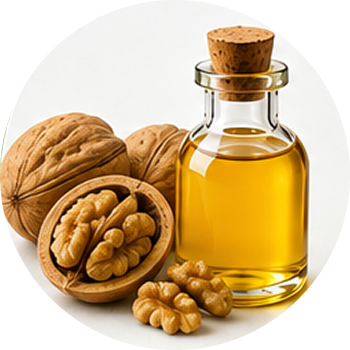
Walnut Oil cutout
Walnut Oil
Kernel
Botanical Name Juglans regia
Common Name Walnut Oil
Part Used Kernel
Active Components Omega-3 / Fatty Acids
Standardisations On request
Forms Available Liquid, Dry Powder, PG Base, Paste, Blends
Herbal Extract Ratio On request
Organic icon Organic

Introduction

Walnut Oil (Juglans regia) is a botanical valued in traditional and modern herbal practice, included here for its relevance to eye and vision health. This oil is obtained from the kernel of the plant and is associated with omega-3 / fatty acids as its key constituent.

How It Benefits the Body

In the body, Walnut Oil is traditionally used to neutralise free radicals and limit oxidative stress on cells, ease joint and muscular discomfort and support bone health, and calm and support the nervous system and mental performance. This activity is attributed largely to its omega-3 / fatty acids. Used within a balanced regimen, it supports the body's own functions rather than replacing professional medical care.

Industries Served

Walnut Oil is used across Ayurvedic & herbal medicine, Nutraceuticals & dietary supplements, Pharmaceuticals, Cosmetics & personal care and Food & beverage. It is supplied in liquid, dry-powder, PG-base, paste and blend forms to suit each formulation.

eye health, vision support, walnut oil, omega-3, fatty acids, antioxidant support, herbal extracts, essential oil, nutraceuticals
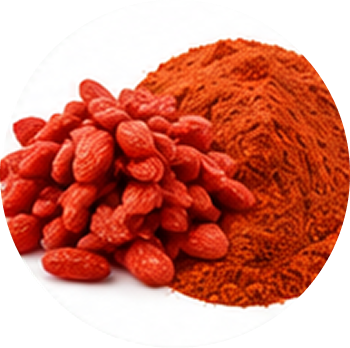
Wolfberry Goji cutout
Wolfberry (Goji)
Fruit
Botanical Name Lycium barbarum
Common Name Wolfberry (Goji)
Part Used Vegetable
Active Components Polysaccharides / Zeaxanthin
Standardisations On request
Forms Available Dry, Spray Dry, Liquid, Oil, Paste
Herbal Extract Ratio On request
Organic icon Organic

Introduction

Wolfberry (Goji) (Lycium barbarum) is a botanical valued in traditional and modern herbal practice, included here for its relevance to eye and vision health. This extract is prepared from the fruit of the plant and is associated with polysaccharides / zeaxanthin as its key constituent.

How It Benefits the Body

In the body, Wolfberry (Goji) is traditionally used to neutralise free radicals and limit oxidative stress on cells, help balance and strengthen the immune response and adapt to stress, and support eye health and healthy vision. This activity is attributed largely to its polysaccharides / zeaxanthin. Used within a balanced regimen, it supports the body's own functions rather than replacing professional medical care.

Industries Served

Wolfberry (Goji) is used across Ayurvedic & herbal medicine, Nutraceuticals & dietary supplements, Cosmetics & personal care and Food & beverage. It is supplied in dry, spray-dried, liquid, oil and paste forms to suit each formulation.

eye health, vision support, wolfberry, goji, zeaxanthin, polysaccharides, antioxidant support, herbal extracts, nutraceuticals
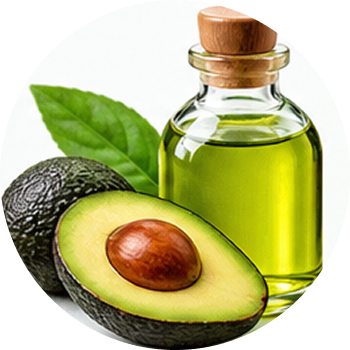
Avocado Oil cutout
Avocado Oil
Fruit
Botanical Name Persea americana
Common Name Avocado Oil
Part Used Vegetable
Active Components Fatty Acids
Standardisations On request
Forms Available Liquid, Dry Powder, PG Base, Paste, Blends
Herbal Extract Ratio On request
Organic icon Organic

Introduction

Avocado Oil (Persea americana) is a botanical valued in traditional and modern herbal practice, included here for its relevance to eye and vision health. This oil is obtained from the fruit of the plant and is associated with fatty acids as its key constituent.

How It Benefits the Body

In the body, Avocado Oil is traditionally used to neutralise free radicals and limit oxidative stress on cells, ease joint and muscular discomfort and support bone health, and support healthy cholesterol, lipids and weight management. This activity is attributed largely to its fatty acids. Used within a balanced regimen, it supports the body's own functions rather than replacing professional medical care.

Industries Served

Avocado Oil is used across Ayurvedic & herbal medicine, Nutraceuticals & dietary supplements, Pharmaceuticals, Cosmetics & personal care and Food & beverage. It is supplied in liquid, dry-powder, PG-base, paste and blend forms to suit each formulation.

eye health, vision support, avocado oil, fatty acids, antioxidant support, herbal extracts, essential oil, nutraceuticals
Spinach cutout
Palak / Spinach
Leaf
Botanical Name Spinacia oleracea
Common Name Palak / Spinach
Part Used Leaf
Active Components Lutein / Iron
Standardisations On request
Forms Available Dry, Spray Dry, Liquid, Oil, Paste
Herbal Extract Ratio On request
Organic icon Organic

Introduction

Palak / Spinach (Spinacia oleracea) is a botanical valued in traditional and modern herbal practice, included here for its relevance to eye and vision health. This extract is prepared from the leaf of the plant and is associated with lutein / iron as its key constituent.

How It Benefits the Body

In the body, Palak / Spinach is traditionally used to neutralise free radicals and limit oxidative stress on cells, support eye health and healthy vision, and act as a restorative that supports overall strength and vitality. This activity is attributed largely to its lutein / iron. Used within a balanced regimen, it supports the body's own functions rather than replacing professional medical care.

Industries Served

Palak / Spinach is used across Ayurvedic & herbal medicine, Nutraceuticals & dietary supplements, Cosmetics & personal care and Food & beverage. It is supplied in dry, spray-dried, liquid, oil and paste forms to suit each formulation.

eye health, vision support, spinach, palak, lutein, iron, antioxidant support, herbal extracts, nutraceuticals
Bilberry cutout
Bilberry
Fruit
Botanical Name Vaccinium myrtillus
Common Name Bilberry
Part Used Vegetable
Active Components Anthocyanins
Standardisations On request
Forms Available Dry, Spray Dry, Liquid, Oil, Paste
Herbal Extract Ratio On request
Organic icon Organic

Introduction

Bilberry (Vaccinium myrtillus) is a botanical valued in traditional and modern herbal practice, included here for its relevance to eye and vision health. This extract is prepared from the fruit of the plant and is associated with anthocyanins as its key constituent.

How It Benefits the Body

In the body, Bilberry is traditionally used to neutralise free radicals and limit oxidative stress on cells, support healthy skin, hair and a clear complexion, and support eye health and healthy vision. This activity is attributed largely to its anthocyanins. Used within a balanced regimen, it supports the body's own functions rather than replacing professional medical care.

Industries Served

Bilberry is used across Ayurvedic & herbal medicine, Nutraceuticals & dietary supplements, Cosmetics & personal care and Food & beverage. It is supplied in dry, spray-dried, liquid, oil and paste forms to suit each formulation.

eye health, vision support, bilberry, anthocyanins, antioxidant support, herbal extracts, nutraceuticals
Corn cutout
Corn
Kernel
Botanical Name Zea mays
Common Name Corn
Part Used Kernel
Active Components Carotenoids / Fibre
Standardisations On request
Forms Available Dry, Spray Dry, Liquid, Oil, Paste
Herbal Extract Ratio On request
Organic icon Organic

Introduction

Corn (Zea mays) is a botanical valued in traditional and modern herbal practice, included here for its relevance to eye and vision health. This extract is prepared from the kernel of the plant and is associated with carotenoids / fibre as its key constituent.

How It Benefits the Body

In the body, Corn is traditionally used to support eye health and healthy vision, and act as a restorative that supports overall strength and vitality. This activity is attributed largely to its carotenoids / fibre. Used within a balanced regimen, it supports the body's own functions rather than replacing professional medical care.

Industries Served

Corn is used across Ayurvedic & herbal medicine, Nutraceuticals & dietary supplements and Food & beverage. It is supplied in dry, spray-dried, liquid, oil and paste forms to suit each formulation.

eye health, vision support, corn, carotenoids, fibre, antioxidant support, herbal extracts, nutraceuticals
Disclaimer

These statements have not been evaluated by the Food and Drug Administration or any equivalent authority. These products are not intended to diagnose, treat, cure or prevent any disease. Categorisation reflects traditional and reported uses for general guidance only; an extract may appear in more than one health-concern catalogue. Standardisation ranges, extract ratios and available forms are confirmed on request.