
Heart, Circulation & Cholesterol

Home Products Health Concerns Heart, Circulation & Cholesterol
Health Concerns

Heart, Circulation & Cholesterol

This catalogue features botanical herbal extracts selected to support heart health, healthy circulation, and cholesterol balance in dairy animals. Extracts are chosen for their role in maintaining cardiovascular function, promoting healthy blood flow, and supporting normal lipid metabolism. These botanicals contribute to heart protection, antioxidant support, and the overall health and well-being of animals.

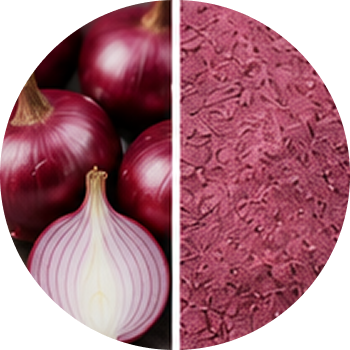
Onion (Bulb) cutout
Onion
Bulb
Botanical Name Allium cepa
Common Name Onion
Part Used Bulb
Active Components Quercetin
Standardisations Customisable
Forms Available Dry, Spray Dry, Liquid, Oil, Paste
Herbal Extract Ratio 10:1
Organic icon Organic

Introduction

Onion (Allium cepa) is a botanical valued in traditional and modern herbal practice, included here for its relevance to heart, circulation and cholesterol. This extract is prepared from the bulb of the plant and is associated with quercetin as its key constituent.

How It Benefits the Body

In the body, Onion is traditionally used to neutralise free radicals and limit oxidative stress on cells, support healthy heart and circulatory function, and support healthy cholesterol, lipids and weight management. This activity is attributed largely to its quercetin. Used within a balanced regimen, it supports the body's own functions rather than replacing professional medical care.

Industries Served

Onion is used across Ayurvedic & herbal medicine, Nutraceuticals & dietary supplements, Cosmetics & personal care and Food & beverage. It is supplied in dry, spray-dried, liquid, oil and paste forms to suit each formulation.

heart health, circulation, cholesterol management, weight management, antioxidant, quercetin, piaz, pyaz, ayurvedic, cosmetics, food and beverage
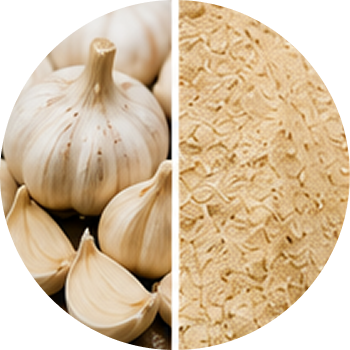
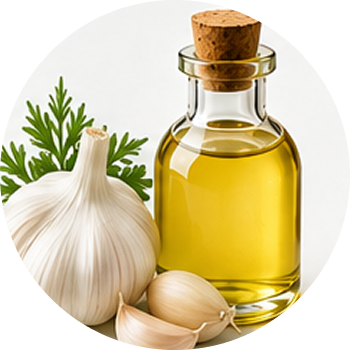
Garlic (Bulb) cutout
Garlic
Bulb
Botanical Name Allium sativum
Common Name Garlic
Part Used Bulb
Active Components Allicin
Standardisations Customisable
Forms Available Dry, Spray Dry, Liquid, Oil, Paste
Herbal Extract Ratio 10:1
Organic icon Organic

Introduction

Garlic (Allium sativum) is a botanical valued in traditional and modern herbal practice, included here for its relevance to heart, circulation and cholesterol. This extract is prepared from the bulb of the plant and is associated with allicin as its key constituent.

How It Benefits the Body

In the body, Garlic is traditionally used to help the body resist microbial and infectious challenges, ease joint and muscular discomfort and support bone health, and support healthy heart and circulatory function. This activity is attributed largely to its allicin. Used within a balanced regimen, it supports the body's own functions rather than replacing professional medical care.

Industries Served

Garlic is used across Ayurvedic & herbal medicine, Nutraceuticals & dietary supplements, Pharmaceuticals and Cosmetics & personal care. It is supplied in dry, spray-dried, liquid, oil and paste forms to suit each formulation.

microbial resistance, infection challenge, joint discomfort, bone health, heart function, circulatory support, allicin, lasun, lahsun, ayurvedic, pharmaceuticals, cosmetics
Garlic Oil cutout
Garlic Oil
Bulb
Botanical Name Allium sativum
Common Name Garlic Oil
Part Used Bulb
Active Components Diallyl Sulphides / Allicin
Standardisations On request
Forms Available Liquid, Dry Powder, PG Base, Paste, Blends
Herbal Extract Ratio On request
Organic icon Organic

Introduction

Garlic Oil (Allium sativum) is a botanical valued in traditional and modern herbal practice, included here for its relevance to heart, circulation and cholesterol. This oil is obtained from the bulb of the plant and is associated with diallyl sulphides / allicin as its key constituent.

How It Benefits the Body

In the body, Garlic Oil is traditionally used to support the respiratory tract and help clear mucus, support healthy blood-sugar balance, and neutralise free radicals and limit oxidative stress on cells. This activity is attributed largely to its diallyl sulphides / allicin. Used within a balanced regimen, it supports the body's own functions rather than replacing professional medical care.

Industries Served

Garlic Oil is used across Ayurvedic & herbal medicine, Nutraceuticals & dietary supplements, Pharmaceuticals, Cosmetics & personal care and Food & beverage. It is supplied in liquid, dry-powder, PG-base, paste and blend forms to suit each formulation.

respiratory tract, clear mucus, healthy blood-sugar balance, antioxidant, diallyl sulphides, allicin, lahsun taila, essential oil, pharmaceuticals, cosmetics, food and beverage
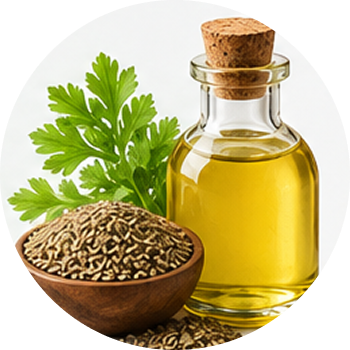
Celery Seed Oil cutout
Celery Seed Oil
Seed
Botanical Name Apium graveolens
Common Name Celery Seed Oil
Part Used Seed
Active Components Limonene / Phthalides
Standardisations On request
Forms Available Liquid, Dry Powder, PG Base, Paste, Blends
Herbal Extract Ratio On request
Organic icon Organic

Introduction

Celery Seed Oil (Apium graveolens) is a botanical valued in traditional and modern herbal practice, included here for its relevance to heart, circulation and cholesterol. This oil is obtained from the seed of the plant and is associated with limonene / phthalides as its key constituent.

How It Benefits the Body

In the body, Celery Seed Oil is traditionally used to ease digestion, relieve gas and bloating and soothe the stomach, promote healthy urine flow and kidney function, and neutralise free radicals and limit oxidative stress on cells. This activity is attributed largely to its limonene / phthalides. Used within a balanced regimen, it supports the body's own functions rather than replacing professional medical care.

Industries Served

Celery Seed Oil is used across Ayurvedic & herbal medicine, Nutraceuticals & dietary supplements, Pharmaceuticals, Cosmetics & personal care and Food & beverage. It is supplied in liquid, dry-powder, PG-base, paste and blend forms to suit each formulation.

ease digestion, gas relief, bloating, urine flow, kidney function, antioxidant, limonene, phthalides, ajmoda taila, essential oil, cosmetics, food and beverage
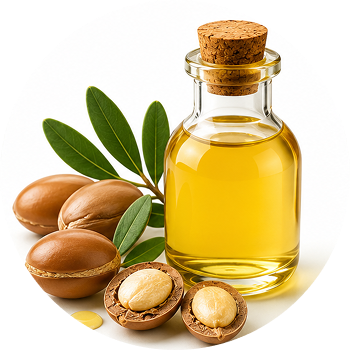
Argan Oil cutout
Argan Oil
Kernel
Botanical Name Argania spinosa
Common Name Argan Oil
Part Used Kernel
Active Components Fatty Acids / Vitamin E
Standardisations On request
Forms Available Liquid, Dry Powder, PG Base, Paste, Blends
Herbal Extract Ratio On request
Organic icon Organic

Introduction

Argan Oil (Argania spinosa) is a botanical valued in traditional and modern herbal practice, included here for its relevance to heart, circulation and cholesterol. This oil is obtained from the kernel of the plant and is associated with fatty acids / vitamin e as its key constituent.

How It Benefits the Body

In the body, Argan Oil is traditionally used to neutralise free radicals and limit oxidative stress on cells, ease joint and muscular discomfort and support bone health, and support healthy cholesterol, lipids and weight management. This activity is attributed largely to its fatty acids / vitamin e. Used within a balanced regimen, it supports the body's own functions rather than replacing professional medical care.

Industries Served

Argan Oil is used across Ayurvedic & herbal medicine, Nutraceuticals & dietary supplements, Pharmaceuticals, Cosmetics & personal care and Food & beverage. It is supplied in liquid, dry-powder, PG-base, paste and blend forms to suit each formulation.

antioxidant, oxidative stress, joint discomfort, bone health, cholesterol management, weight management, fatty acids, vitamin e, Moroccan oil, cosmetics, personal care, food and beverage
Beet root Extract cutout
Beet root Extract
Root
Botanical Name Beta vulgaris
Common Name Beet root Extract
Part Used Root
Active Components Betalains / Nitrates
Standardisations Customisable
Forms Available Dry, Spray Dry, Liquid, Oil, Paste
Herbal Extract Ratio To marker spec (≈4:1–10:1 native)
Organic icon Organic

Introduction

Beet root Extract (Beta vulgaris) is a botanical valued in traditional and modern herbal practice, included here for its relevance to heart, circulation and cholesterol. This extract is prepared from the root of the plant and is associated with betalains / nitrates as its key constituent.

How It Benefits the Body

In the body, Beet root Extract is traditionally used to neutralise free radicals and limit oxidative stress on cells, support healthy heart and circulatory function, and support healthy skin, hair and a clear complexion. This activity is attributed largely to its betalains / nitrates. Used within a balanced regimen, it supports the body's own functions rather than replacing professional medical care.

Industries Served

Beet root Extract is used across Ayurvedic & herbal medicine, Nutraceuticals & dietary supplements, Cosmetics & personal care and Food & beverage. It is supplied in dry, spray-dried, liquid, oil and paste forms to suit each formulation.

antioxidant, oxidative stress, heart health, circulatory function, skin care, hair health, complexion, betalains, nitrates, chukandar, ayurvedic, food color, cosmetic ingredients
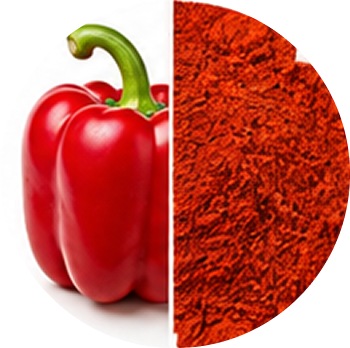
Cayenne cutout
Cayenne
Fruit
Botanical Name Capsicum annuum
Common Name Cayenne
Part Used Vegetable
Active Components Capsaicin
Standardisations Customisable
Forms Available Dry, Spray Dry, Liquid, Oil, Paste
Herbal Extract Ratio 10:1
Organic icon Organic

Introduction

Cayenne (Capsicum annuum) is a botanical valued in traditional and modern herbal practice, included here for its relevance to heart, circulation and cholesterol. This extract is prepared from the fruit of the plant and is associated with capsaicin as its key constituent.

How It Benefits the Body

In the body, Cayenne is traditionally used to neutralise free radicals and limit oxidative stress on cells, help balance and strengthen the immune response and adapt to stress, and ease joint and muscular discomfort and support bone health. This activity is attributed largely to its capsaicin. Used within a balanced regimen, it supports the body's own functions rather than replacing professional medical care.

Industries Served

Cayenne is used across Ayurvedic & herbal medicine, Nutraceuticals & dietary supplements, Pharmaceuticals, Cosmetics & personal care and Food & beverage. It is supplied in dry, spray-dried, liquid, oil and paste forms to suit each formulation.

antioxidant, immune response, stress adaptation, joint discomfort, muscular pain, bone health, capsaicin, lal mirch, mirchi, capsicum extract, pain relief, pharmaceutical grades
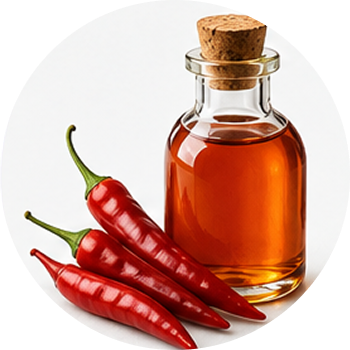
Capsicum Oil cutout
Capsicum Oil
Fruit
Botanical Name Capsicum annuum
Common Name Capsicum Oil
Part Used Vegetable
Active Components Capsaicin
Standardisations On request
Forms Available Liquid, Dry Powder, PG Base, Paste, Blends
Herbal Extract Ratio On request
Organic icon Organic

Introduction

Capsicum Oil (Capsicum annuum) is a botanical valued in traditional and modern herbal practice, included here for its relevance to heart, circulation and cholesterol. This oil is obtained from the fruit of the plant and is associated with capsaicin as its key constituent.

How It Benefits the Body

In the body, Capsicum Oil is traditionally used to neutralise free radicals and limit oxidative stress on cells, ease joint and muscular discomfort and support bone health, and support healthy heart and circulatory function. This activity is attributed largely to its capsaicin. Used within a balanced regimen, it supports the body's own functions rather than replacing professional medical care.

Industries Served

Capsicum Oil is used across Ayurvedic & herbal medicine, Nutraceuticals & dietary supplements, Pharmaceuticals, Cosmetics & personal care and Food & beverage. It is supplied in liquid, dry-powder, PG-base, paste and blend forms to suit each formulation.

antioxidant, oxidative stress, joint pain, muscle relief, bone integrity, cardiovascular health, circulation, capsaicinoids, chilli oil, topical analgesics, essential oil rubs
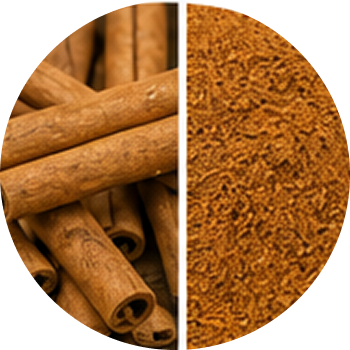
Cinnamon Leaf Oil cutout
Cinnamon Leaf Oil
Leaf
Botanical Name Cinnamomum verum
Common Name Cinnamon Leaf Oil
Part Used Leaf
Active Components Eugenol
Standardisations On request
Forms Available Liquid, Dry Powder, PG Base, Paste, Blends
Herbal Extract Ratio On request
Organic icon Organic

Introduction

Cinnamon Leaf Oil (Cinnamomum verum) is a botanical valued in traditional and modern herbal practice, included here for its relevance to heart, circulation and cholesterol. This oil is obtained from the leaf of the plant and is associated with eugenol as its key constituent.

How It Benefits the Body

In the body, Cinnamon Leaf Oil is traditionally used to ease digestion, relieve gas and bloating and soothe the stomach, support healthy blood-sugar balance, and neutralise free radicals and limit oxidative stress on cells. This activity is attributed largely to its eugenol. Used within a balanced regimen, it supports the body's own functions rather than replacing professional medical care.

Industries Served

Cinnamon Leaf Oil is used across Ayurvedic & herbal medicine, Nutraceuticals & dietary supplements, Pharmaceuticals, Cosmetics & personal care and Food & beverage. It is supplied in liquid, dry-powder, PG-base, paste and blend forms to suit each formulation.

digestive aid, gas relief, bloating remedy, blood sugar control, antioxidant protection, eugenol, dalchini patta taila, essential oil aromatherapy, flavouring agent
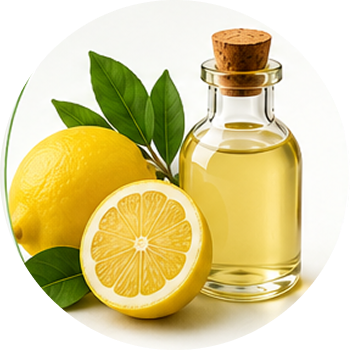
Lemon Oil cutout
Lemon Oil
Peel
Botanical Name Citrus limon
Common Name Lemon Oil
Part Used Peel
Active Components Limonene
Standardisations On request
Forms Available Liquid, Dry Powder, PG Base, Paste, Blends
Herbal Extract Ratio On request
Organic icon Organic

Introduction

Lemon Oil (Citrus limon) is a botanical valued in traditional and modern herbal practice, included here for its relevance to heart, circulation and cholesterol. This oil is obtained from the peel of the plant and is associated with limonene as its key constituent.

How It Benefits the Body

In the body, Lemon Oil is traditionally used to ease digestion, relieve gas and bloating and soothe the stomach, support and help protect the liver, and support the body's natural detoxification and blood-cleansing. This activity is attributed largely to its limonene. Used within a balanced regimen, it supports the body's own functions rather than replacing professional medical care.

Industries Served

Lemon Oil is used across Ayurvedic & herbal medicine, Nutraceuticals & dietary supplements, Pharmaceuticals, Cosmetics & personal care and Food & beverage. It is supplied in liquid, dry-powder, PG-base, paste and blend forms to suit each formulation.

digestive comfort, anti-bloating, liver protection, natural detox, blood cleansing, limonene terpene, nimbu taila, citrus peel essential oil, cosmetic fragrance, clean beauty formulation
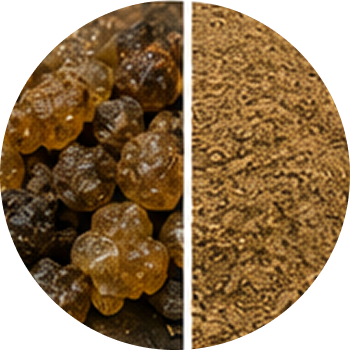
Guggul (Gum) cutout
Guggul
Gum
Botanical Name Commiphora mukul
Common Name Guggul
Part Used Gum
Active Components Guggulsterones
Standardisations Customisable
Forms Available Dry, Spray Dry, Liquid, Oil, Paste
Herbal Extract Ratio 6:1
Organic icon Organic

Introduction

Guggul (Commiphora mukul) is a botanical valued in traditional and modern herbal practice, included here for its relevance to heart, circulation and cholesterol. This extract is prepared from the gum of the plant and is associated with guggulsterones as its key constituent.

How It Benefits the Body

In the body, Guggul is traditionally used to ease joint and muscular discomfort and support bone health, and support healthy cholesterol, lipids and weight management. This activity is attributed largely to its guggulsterones. Used within a balanced regimen, it supports the body's own functions rather than replacing professional medical care.

Industries Served

Guggul is used across Ayurvedic & herbal medicine, Nutraceuticals & dietary supplements and Pharmaceuticals. It is supplied in dry, spray-dried, liquid, oil and paste forms to suit each formulation.

joint comfort, muscular support, bone health, cholesterol management, lipid support, weight management, guggulsterones, guggulu, ayurvedic resin, pharmaceutical grade extracts
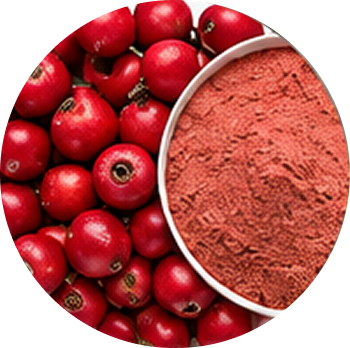
Hawthorn Berry cutout
Hawthorn Berry
Fruit
Botanical Name Crataegus oxyacantha
Common Name Hawthorn Berry
Part Used Vegetable
Active Components Flavonoids / OPC
Standardisations On request
Forms Available Dry, Spray Dry, Liquid, Oil, Paste
Herbal Extract Ratio On request
Organic icon Organic

Introduction

Hawthorn Berry (Crataegus oxyacantha) is a botanical valued in traditional and modern herbal practice, included here for its relevance to heart, circulation and cholesterol. This extract is prepared from the fruit of the plant and is associated with flavonoids / opc as its key constituent.

How It Benefits the Body

In the body, Hawthorn Berry is traditionally used to support healthy heart and circulatory function. This activity is attributed largely to its flavonoids / opc. Used within a balanced regimen, it supports the body's own functions rather than replacing professional medical care.

Industries Served

Hawthorn Berry is used across Ayurvedic & herbal medicine and Nutraceuticals & dietary supplements. It is supplied in dry, spray-dried, liquid, oil and paste forms to suit each formulation.

cardiovascular support, circulatory health, blood pressure management, oligomeric proanthocyanidins, OPC, flavonoids, ban-sangli, crataegus extract, heart health supplements
Pumpkin Seed Oil cutout
Pumpkin Seed Oil
Seed
Botanical Name Cucurbita pepo
Common Name Pumpkin Seed Oil
Part Used Seed
Active Components Fatty Acids / Zinc
Standardisations On request
Forms Available Liquid, Dry Powder, PG Base, Paste, Blends
Herbal Extract Ratio On request
Organic icon Organic

Introduction

Pumpkin Seed Oil (Cucurbita pepo) is a botanical valued in traditional and modern herbal practice, included here for its relevance to heart, circulation and cholesterol. This oil is obtained from the seed of the plant and is associated with fatty acids / zinc as its key constituent.

How It Benefits the Body

In the body, Pumpkin Seed Oil is traditionally used to promote healthy urine flow and kidney function, neutralise free radicals and limit oxidative stress on cells, and ease joint and muscular discomfort and support bone health. This activity is attributed largely to its fatty acids / zinc. Used within a balanced regimen, it supports the body's own functions rather than replacing professional medical care.

Industries Served

Pumpkin Seed Oil is used across Ayurvedic & herbal medicine, Nutraceuticals & dietary supplements, Pharmaceuticals, Cosmetics & personal care and Food & beverage. It is supplied in liquid, dry-powder, PG-base, paste and blend forms to suit each formulation.

urinary flow, kidney wellness, antioxidant shield, oxidative stress, joint lubrication, muscle support, bone density, kaddu beej taila, cold pressed, cosmetic base, zinc source
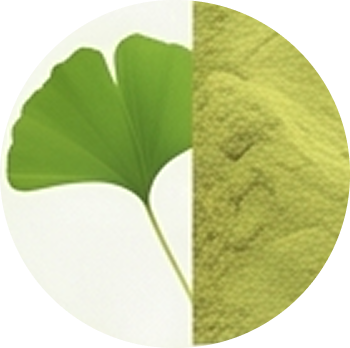
Ginkgo biloba P.E. cutout
Ginkgo biloba P.E.
Leaf
Botanical Name Ginkgo biloba
Common Name Ginkgo biloba P.E.
Part Used Leaf
Active Components Flavone Glycosides / Terpene Lactones
Standardisations Customisable
Forms Available Dry, Spray Dry, Liquid, Oil, Paste
Herbal Extract Ratio To marker spec (≈4:1–10:1 native)
Organic icon Organic

Introduction

Ginkgo biloba P.E. (Ginkgo biloba) is a botanical valued in traditional and modern herbal practice, included here for its relevance to heart, circulation and cholesterol. This extract is prepared from the leaf of the plant and is associated with flavone glycosides / terpene lactones as its key constituent.

How It Benefits the Body

In the body, Ginkgo biloba P.E. is traditionally used to neutralise free radicals and limit oxidative stress on cells, calm and support the nervous system and mental performance, and support healthy heart and circulatory function. This activity is attributed largely to its flavone glycosides / terpene lactones. Used within a balanced regimen, it supports the body's own functions rather than replacing professional medical care.

Industries Served

Ginkgo biloba P.E. is used across Ayurvedic & herbal medicine, Nutraceuticals & dietary supplements, Cosmetics & personal care and Food & beverage. It is supplied in dry, spray-dried, liquid, oil and paste forms to suit each formulation.

antioxidant protection, nervous system support, mental performance, cognitive focus, memory, circulatory system, blood flow, flavone glycosides, terpene lactones, ginkgo extract, nootropic ingredients
Hibiscus Extract cutout
Hibiscus Extract
Flower calyx
Botanical Name Hibiscus sabdariffa
Common Name Hibiscus Extract
Part Used Flower calyx
Active Components Anthocyanins / Quercetin
Standardisations Customisable
Forms Available Dry, Spray Dry, Liquid, Oil, Paste
Herbal Extract Ratio To marker spec (≈4:1–10:1 native)
Organic icon Organic

Introduction

Hibiscus Extract (Hibiscus sabdariffa) is a botanical valued in traditional and modern herbal practice, included here for its relevance to heart, circulation and cholesterol. This extract is prepared from the flower calyx of the plant and is associated with anthocyanins / quercetin as its key constituent.

How It Benefits the Body

In the body, Hibiscus Extract is traditionally used to neutralise free radicals and limit oxidative stress on cells, and support healthy heart and circulatory function. This activity is attributed largely to its anthocyanins / quercetin. Used within a balanced regimen, it supports the body's own functions rather than replacing professional medical care.

Industries Served

Hibiscus Extract is used across Ayurvedic & herbal medicine, Nutraceuticals & dietary supplements, Cosmetics & personal care and Food & beverage. It is supplied in dry, spray-dried, liquid, oil and paste forms to suit each formulation.

antioxidant support, free radicals, oxidative stability, cardiovascular function, healthy circulation, anthocyanins, quercetin, gudhal, roselle calyx, functional beverages, natural red pigment
Walnut Oil cutout
Walnut Oil
Kernel
Botanical Name Juglans regia
Common Name Walnut Oil
Part Used Kernel
Active Components Omega-3 / Fatty Acids
Standardisations On request
Forms Available Liquid, Dry Powder, PG Base, Paste, Blends
Herbal Extract Ratio On request
Organic icon Organic

Introduction

Walnut Oil (Juglans regia) is a botanical valued in traditional and modern herbal practice, included here for its relevance to heart, circulation and cholesterol. This oil is obtained from the kernel of the plant and is associated with omega-3 / fatty acids as its key constituent.

How It Benefits the Body

In the body, Walnut Oil is traditionally used to neutralise free radicals and limit oxidative stress on cells, ease joint and muscular discomfort and support bone health, and calm and support the nervous system and mental performance. This activity is attributed largely to its omega-3 / fatty acids. Used within a balanced regimen, it supports the body's own functions rather than replacing professional medical care.

Industries Served

Walnut Oil is used across Ayurvedic & herbal medicine, Nutraceuticals & dietary supplements, Pharmaceuticals, Cosmetics & personal care and Food & beverage. It is supplied in liquid, dry-powder, PG-base, paste and blend forms to suit each formulation.

antioxidant shield, joint wellness, muscle relief, bone integrity, cognitive function, nervous system, alpha-linolenic acid, akhrot taila, cold pressed oil, essential fatty acids
Flax seed Extract cutout
Flax seed Extract
Seed
Botanical Name Linum usitatissimum
Common Name Flax seed Extract
Part Used Seed
Active Components Omega Fatty Acids / Lignans
Standardisations Customisable
Forms Available Dry, Spray Dry, Liquid, Oil, Paste
Herbal Extract Ratio To marker spec (≈4:1–10:1 native)
Organic icon Organic

Introduction

Flax seed Extract (Linum usitatissimum) is a botanical valued in traditional and modern herbal practice, included here for its relevance to heart, circulation and cholesterol. This extract is prepared from the seed of the plant and is associated with omega fatty acids / lignans as its key constituent.

How It Benefits the Body

In the body, Flax seed Extract is traditionally used to support healthy heart and circulatory function, support healthy cholesterol, lipids and weight management, and support healthy skin, hair and a clear complexion. This activity is attributed largely to its omega fatty acids / lignans. Used within a balanced regimen, it supports the body's own functions rather than replacing professional medical care.

Industries Served

Flax seed Extract is used across Ayurvedic & herbal medicine, Nutraceuticals & dietary supplements and Cosmetics & personal care. It is supplied in dry, spray-dried, liquid, oil and paste forms to suit each formulation.

cardiovascular endurance, lipid profiles, metabolic support, dermoprotective, hair strength, secoisolariciresinol diglucoside, SDG lignans, linseed extract, alsi ke beej
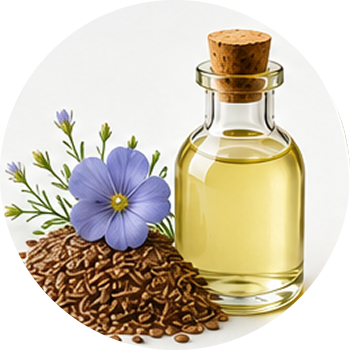
Flax Seed Oil cutout
Flax Seed Oil
Seed
Botanical Name Linum usitatissimum
Common Name Flax Seed Oil
Part Used Seed
Active Components Omega-3 (ALA)
Standardisations On request
Forms Available Liquid, Dry Powder, PG Base, Paste, Blends
Herbal Extract Ratio On request
Organic icon Organic

Introduction

Flax Seed Oil (Linum usitatissimum) is a botanical valued in traditional and modern herbal practice, included here for its relevance to heart, circulation and cholesterol. This oil is obtained from the seed of the plant and is associated with omega-3 (ala) as its key constituent.

How It Benefits the Body

In the body, Flax Seed Oil is traditionally used to ease digestion, relieve gas and bloating and soothe the stomach, promote regular, comfortable bowel movement, and neutralise free radicals and limit oxidative stress on cells. This activity is attributed largely to its omega-3 (ala). Used within a balanced regimen, it supports the body's own functions rather than replacing professional medical care.

Industries Served

Flax Seed Oil is used across Ayurvedic & herbal medicine, Nutraceuticals & dietary supplements, Pharmaceuticals, Cosmetics & personal care and Food & beverage. It is supplied in liquid, dry-powder, PG-base, paste and blend forms to suit each formulation.

gastrointestinal comfort, anti-bloating, bowel regularity, cellular integrity, antioxidant, alpha-linolenic acid, cold-pressed flax oil, alsi ka tel, pharmaceutical grade lipids
Alfalfa cutout
Alfalfa
Leaf / Aerial part
Botanical Name Medicago sativa
Common Name Alfalfa
Part Used Leaf / Aerial part
Active Components Chlorophyll / Vitamins
Standardisations On request
Forms Available Dry, Spray Dry, Liquid, Oil, Paste
Herbal Extract Ratio On request
Organic icon Organic

Introduction

Alfalfa (Medicago sativa) is a botanical valued in traditional and modern herbal practice, included here for its relevance to heart, circulation and cholesterol. This extract is prepared from the leaf / aerial part of the plant and is associated with chlorophyll / vitamins as its key constituent.

How It Benefits the Body

In the body, Alfalfa is traditionally used to neutralise free radicals and limit oxidative stress on cells, support healthy cholesterol, lipids and weight management, and act as a restorative that supports overall strength and vitality. This activity is attributed largely to its chlorophyll / vitamins. Used within a balanced regimen, it supports the body's own functions rather than replacing professional medical care.

Industries Served

Alfalfa is used across Ayurvedic & herbal medicine, Nutraceuticals & dietary supplements, Cosmetics & personal care and Food & beverage. It is supplied in dry, spray-dried, liquid, oil and paste forms to suit each formulation.

oxidative mitigation, lipid harmony, metabolic weight, tonic properties, stamina booster, lucerne extract, phytonutrient dense, chlorophyll source, vitamin mineral complex
Black Seed Oil cutout
Black Seed Oil
Seed
Botanical Name Nigella sativa
Common Name Black Seed Oil
Part Used Seed
Active Components Thymoquinone
Standardisations On request
Forms Available Liquid, Dry Powder, PG Base, Paste, Blends
Herbal Extract Ratio On request
Organic icon Organic

Introduction

Black Seed Oil (Nigella sativa) is a botanical valued in traditional and modern herbal practice, included here for its relevance to heart, circulation and cholesterol. This oil is obtained from the seed of the plant and is associated with thymoquinone as its key constituent.

How It Benefits the Body

In the body, Black Seed Oil is traditionally used to ease digestion, relieve gas and bloating and soothe the stomach, support the respiratory tract and help clear mucus, and support healthy blood-sugar balance. This activity is attributed largely to its thymoquinone. Used within a balanced regimen, it supports the body's own functions rather than replacing professional medical care.

Industries Served

Black Seed Oil is used across Ayurvedic & herbal medicine, Nutraceuticals & dietary supplements, Pharmaceuticals, Cosmetics & personal care and Food & beverage. It is supplied in liquid, dry-powder, PG-base, paste and blend forms to suit each formulation.

digestive tract health, gastric relief, respiratory support, mucus clearing, glycemic balance, kalonji oil, black cumin, thymoquinone extract, volatile oil constituents
Olive cutout
Olive
Fruit / Leaf
Botanical Name Olea europaea
Common Name Olive
Part Used Fruit / Leaf
Active Components Polyphenols (Hydroxytyrosol)
Standardisations On request
Forms Available Dry, Spray Dry, Liquid, Oil, Paste
Herbal Extract Ratio On request
Organic icon Organic

Introduction

Olive (Olea europaea) is a botanical valued in traditional and modern herbal practice, included here for its relevance to heart, circulation and cholesterol. This extract is prepared from the fruit / leaf of the plant and is associated with polyphenols (hydroxytyrosol) as its key constituent.

How It Benefits the Body

In the body, Olive is traditionally used to neutralise free radicals and limit oxidative stress on cells, and support healthy heart and circulatory function. This activity is attributed largely to its polyphenols (hydroxytyrosol). Used within a balanced regimen, it supports the body's own functions rather than replacing professional medical care.

Industries Served

Olive is used across Ayurvedic & herbal medicine, Nutraceuticals & dietary supplements, Cosmetics & personal care and Food & beverage. It is supplied in dry, spray-dried, liquid, oil and paste forms to suit each formulation.

antioxidant protection, cellular health, cardiovascular function, healthy circulation, hydroxytyrosol, oleuropein, olive leaf extract, jaitun extract, free radical scavenger
Olive Oil cutout
Olive Oil
Fruit
Botanical Name Olea europaea
Common Name Olive Oil
Part Used Vegetable
Active Components Oleic Acid / Polyphenols
Standardisations On request
Forms Available Liquid, Dry Powder, PG Base, Paste, Blends
Herbal Extract Ratio On request
Organic icon Organic

Introduction

Olive Oil (Olea europaea) is a botanical valued in traditional and modern herbal practice, included here for its relevance to heart, circulation and cholesterol. This oil is obtained from the fruit of the plant and is associated with oleic acid / polyphenols as its key constituent.

How It Benefits the Body

In the body, Olive Oil is traditionally used to ease digestion, relieve gas and bloating and soothe the stomach, neutralise free radicals and limit oxidative stress on cells, and ease joint and muscular discomfort and support bone health. This activity is attributed largely to its oleic acid / polyphenols. Used within a balanced regimen, it supports the body's own functions rather than replacing professional medical care.

Industries Served

Olive Oil is used across Ayurvedic & herbal medicine, Nutraceuticals & dietary supplements, Pharmaceuticals, Cosmetics & personal care and Food & beverage. It is supplied in liquid, dry-powder, PG-base, paste and blend forms to suit each formulation.

gastrointestinal comfort, flatulence relief, stomach soothing, radical mitigation, joint mobility, muscular ease, jaitun ka tel, monounsaturated fats, liquid carrier oils, cosmetic base lipids
Patthar Phool cutout
Patthar Phool
Thallus
Botanical Name Parmelia perlata
Common Name Patthar Phool
Part Used Thallus
Active Components Atranorin
Standardisations On request
Forms Available Dry, Spray Dry, Liquid, Oil, Paste
Herbal Extract Ratio 5:1
Organic icon Organic

Introduction

Patthar Phool (Parmelia perlata) is a botanical valued in traditional and modern herbal practice, included here for its relevance to heart, circulation and cholesterol. This extract is prepared from the thallus of the plant and is associated with atranorin as its key constituent.

How It Benefits the Body

In the body, Patthar Phool is traditionally used to support the respiratory tract and help clear mucus, and support healthy heart and circulatory function. This activity is attributed largely to its atranorin. Used within a balanced regimen, it supports the body's own functions rather than replacing professional medical care.

Industries Served

Patthar Phool is used across Ayurvedic & herbal medicine and Pharmaceuticals. It is supplied in dry, spray-dried, liquid, oil and paste forms to suit each formulation.

respiratory comfort, mucus clearing, cardiovascular tone, circulatory support, stone flower, chharila, kalpasi, lichen extract, atranorin compound, spice extracts
Avocado cutout
Avocado
Fruit
Botanical Name Persea americana
Common Name Avocado
Part Used Vegetable
Active Components Fatty Acids
Standardisations On request
Forms Available Dry, Spray Dry, Liquid, Oil, Paste
Herbal Extract Ratio On request
Organic icon Organic

Introduction

Avocado (Persea americana) is a botanical valued in traditional and modern herbal practice, included here for its relevance to heart, circulation and cholesterol. This extract is prepared from the fruit of the plant and is associated with fatty acids as its key constituent.

How It Benefits the Body

In the body, Avocado is traditionally used to support healthy heart and circulatory function, support healthy skin, hair and a clear complexion, and act as a restorative that supports overall strength and vitality. This activity is attributed largely to its fatty acids. Used within a balanced regimen, it supports the body's own functions rather than replacing professional medical care.

Industries Served

Avocado is used across Ayurvedic & herbal medicine, Nutraceuticals & dietary supplements, Cosmetics & personal care and Food & beverage. It is supplied in dry, spray-dried, liquid, oil and paste forms to suit each formulation.

cardiovascular performance, microcirculation support, skin nourishment, hair vitality, tonic, bodybuilding nutrients, monounsaturated lipids, butter pear extract, freeze dried powder
Avocado Oil cutout
Avocado Oil
Fruit
Botanical Name Persea americana
Common Name Avocado Oil
Part Used Vegetable
Active Components Fatty Acids
Standardisations On request
Forms Available Liquid, Dry Powder, PG Base, Paste, Blends
Herbal Extract Ratio On request
Organic icon Organic

Introduction

Avocado Oil (Persea americana) is a botanical valued in traditional and modern herbal practice, included here for its relevance to heart, circulation and cholesterol. This oil is obtained from the fruit of the plant and is associated with fatty acids as its key constituent.

How It Benefits the Body

In the body, Avocado Oil is traditionally used to neutralise free radicals and limit oxidative stress on cells, ease joint and muscular discomfort and support bone health, and support healthy cholesterol, lipids and weight management. This activity is attributed largely to its fatty acids. Used within a balanced regimen, it supports the body's own functions rather than replacing professional medical care.

Industries Served

Avocado Oil is used across Ayurvedic & herbal medicine, Nutraceuticals & dietary supplements, Pharmaceuticals, Cosmetics & personal care and Food & beverage. It is supplied in liquid, dry-powder, PG-base, paste and blend forms to suit each formulation.

antioxidant shield, structural lipids, joint comfort, bone preservation, metabolic support, healthy weight, cold pressed avocado oil, skin conditioning fats, premium nutraceutical oils
Black Pepper Oil cutout
Black Pepper Oil
Fruit
Botanical Name Piper nigrum
Common Name Black Pepper Oil
Part Used Vegetable
Active Components Piperine / Caryophyllene
Standardisations On request
Forms Available Liquid, Dry Powder, PG Base, Paste, Blends
Herbal Extract Ratio On request
Organic icon Organic

Introduction

Black Pepper Oil (Piper nigrum) is a botanical valued in traditional and modern herbal practice, included here for its relevance to heart, circulation and cholesterol. This oil is obtained from the fruit of the plant and is associated with piperine / caryophyllene as its key constituent.

How It Benefits the Body

In the body, Black Pepper Oil is traditionally used to ease digestion, relieve gas and bloating and soothe the stomach, support the respiratory tract and help clear mucus, and neutralise free radicals and limit oxidative stress on cells. This activity is attributed largely to its piperine / caryophyllene. Used within a balanced regimen, it supports the body's own functions rather than replacing professional medical care.

Industries Served

Black Pepper Oil is used across Ayurvedic & herbal medicine, Nutraceuticals & dietary supplements, Pharmaceuticals, Cosmetics & personal care and Food & beverage. It is supplied in liquid, dry-powder, PG-base, paste and blend forms to suit each formulation.

gastrointestinal comfort, flatulence relief, respiratory health, expectorant support, antioxidant defense, radical mitigation, kali mirch ka tel, bio-enhancer lipid, caryophyllene terpene
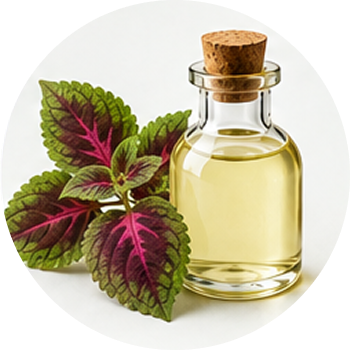
Coleus Oil cutout
Coleus Oil
Leaf
Botanical Name Plectranthus scutellarioides
Common Name Coleus Oil
Part Used Leaf
Active Components Volatile Oil
Standardisations On request
Forms Available Liquid, Dry Powder, PG Base, Paste, Blends
Herbal Extract Ratio On request
Organic icon Organic

Introduction

Coleus Oil (Plectranthus scutellarioides) is a botanical valued in traditional and modern herbal practice, included here for its relevance to heart, circulation and cholesterol. This oil is obtained from the leaf of the plant and is associated with volatile oil as its key constituent.

How It Benefits the Body

In the body, Coleus Oil is traditionally used to support the respiratory tract and help clear mucus, help the body resist microbial and infectious challenges, and support healthy heart and circulatory function. This activity is attributed largely to its volatile oil. Used within a balanced regimen, it supports the body's own functions rather than replacing professional medical care.

Industries Served

Coleus Oil is used across Ayurvedic & herbal medicine, Nutraceuticals & dietary supplements, Pharmaceuticals and Cosmetics & personal care. It is supplied in liquid, dry-powder, PG-base, paste and blend forms to suit each formulation.

pulmonary support, clear airways, defense mechanism, immune defense, cardiovascular circulation, cardiotonic actions, solenostemon scutellarioides, aromatic leaf volatiles, therapeutic terpenes
Padmkasth cutout
Padmkasth
Wood
Botanical Name Prunus puddum
Common Name Padmkasth
Part Used Wood
Active Components Phytoconstituents
Standardisations On request
Forms Available Dry, Spray Dry, Liquid, Oil, Paste
Herbal Extract Ratio 10:1
Organic icon Organic

Introduction

Padmkasth (Prunus puddum) is a botanical valued in traditional and modern herbal practice, included here for its relevance to heart, circulation and cholesterol. This extract is prepared from the wood of the plant and is associated with phytoconstituents as its key constituent.

How It Benefits the Body

In the body, Padmkasth is traditionally used to support healthy heart and circulatory function. This activity is attributed largely to its phytoconstituents. Used within a balanced regimen, it supports the body's own functions rather than replacing professional medical care.

Industries Served

Padmkasth is used across Ayurvedic & herbal medicine. It is supplied in dry, spray-dried, liquid, oil and paste forms to suit each formulation.

cardiovascular tone, circulatory integrity, heart support, prunus cerasoides, wild himalayan cherry wood, padmaka extract, classical ayurvedic single herb, traditional cardiac tonic
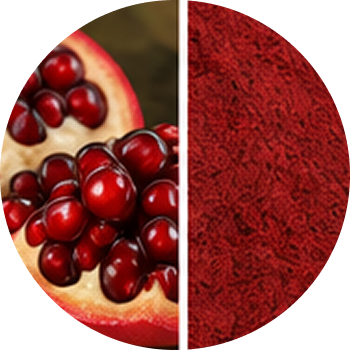
Pomegranate cutout
Pomegranate
Rind / Seed
Botanical Name Punica granatum
Common Name Pomegranate
Part Used Rind / Seed
Active Components Ellagic Acid
Standardisations 1-8%
Forms Available Dry, Spray Dry, Liquid, Oil, Paste
Herbal Extract Ratio 10:1
Organic icon Organic

Introduction

Pomegranate (Punica granatum) is a botanical valued in traditional and modern herbal practice, included here for its relevance to heart, circulation and cholesterol. This extract is prepared from the rind / seed of the plant and is associated with ellagic acid as its key constituent.

How It Benefits the Body

In the body, Pomegranate is traditionally used to support healthy blood-sugar balance, neutralise free radicals and limit oxidative stress on cells, and support healthy cholesterol, lipids and weight management. This activity is attributed largely to its ellagic acid. Used within a balanced regimen, it supports the body's own functions rather than replacing professional medical care.

Industries Served

Pomegranate is used across Ayurvedic & herbal medicine, Nutraceuticals & dietary supplements, Pharmaceuticals, Cosmetics & personal care and Food & beverage. It is supplied in dry, spray-dried, liquid, oil and paste forms to suit each formulation.

glucose balance, antioxidant mitigation, cell defense, lipid management, metabolic control, anar extract, punicalagins, standardized ellagic acid, cardiovascular nourishment
Pomegranate Extract cutout
Pomegranate Extract
Fruit rind
Botanical Name Punica granatum
Common Name Pomegranate Extract
Part Used Fruit rind
Active Components Polyphenols / Ellagic Acid
Standardisations Customisable
Forms Available Dry, Spray Dry, Liquid, Oil, Paste
Herbal Extract Ratio To marker spec (≈4:1–10:1 native)
Organic icon Organic

Introduction

Pomegranate Extract (Punica granatum) is a botanical valued in traditional and modern herbal practice, included here for its relevance to heart, circulation and cholesterol. This extract is prepared from the fruit rind of the plant and is associated with polyphenols / ellagic acid as its key constituent.

How It Benefits the Body

In the body, Pomegranate Extract is traditionally used to neutralise free radicals and limit oxidative stress on cells, and support healthy heart and circulatory function. This activity is attributed largely to its polyphenols / ellagic acid. Used within a balanced regimen, it supports the body's own functions rather than replacing professional medical care.

Industries Served

Pomegranate Extract is used across Ayurvedic & herbal medicine, Nutraceuticals & dietary supplements, Cosmetics & personal care and Food & beverage. It is supplied in dry, spray-dried, liquid, oil and paste forms to suit each formulation.

antioxidant shielding, radical elimination, cellular structural support, cardiovascular tone, arterial circulation, high polyphenol rind powder, customizable marker compounds
Sarpagandha cutout
Sarpagandha
Root
Botanical Name Rauvolfia serpentina
Common Name Sarpagandha
Part Used Root
Active Components Alkaloids
Standardisations 1-8%
Forms Available Dry, Spray Dry, Liquid, Oil, Paste
Herbal Extract Ratio 10:1
Organic icon Organic

Introduction

Sarpagandha (Rauvolfia serpentina) is a botanical valued in traditional and modern herbal practice, included here for its relevance to heart, circulation and cholesterol. This extract is prepared from the root of the plant and is associated with alkaloids as its key constituent.

How It Benefits the Body

In the body, Sarpagandha is traditionally used to support healthy heart and circulatory function. This activity is attributed largely to its alkaloids. Used within a balanced regimen, it supports the body's own functions rather than replacing professional medical care.

Industries Served

Sarpagandha is used across Ayurvedic & herbal medicine and Pharmaceuticals. It is supplied in dry, spray-dried, liquid, oil and paste forms to suit each formulation.

cardiovascular support, circulatory health, blood pressure management, snakeroot extract, reserpine alkaloids, classic ayurvedic herb, antihypertensive support, calmative root
Sugarcane cutout
Sugarcane
Stem
Botanical Name Saccharum officinarum
Common Name Sugarcane
Part Used Stem
Active Components Policosanols / Natural Sugars
Standardisations On request
Forms Available Dry, Spray Dry, Liquid, Oil, Paste
Herbal Extract Ratio On request
Organic icon Organic

Introduction

Sugarcane (Saccharum officinarum) is a botanical valued in traditional and modern herbal practice, included here for its relevance to heart, circulation and cholesterol. This extract is prepared from the stem of the plant and is associated with policosanols / natural sugars as its key constituent.

How It Benefits the Body

In the body, Sugarcane is traditionally used to support healthy heart and circulatory function, and act as a restorative that supports overall strength and vitality. This activity is attributed largely to its policosanols / natural sugars. Used within a balanced regimen, it supports the body's own functions rather than replacing professional medical care.

Industries Served

Sugarcane is used across Ayurvedic & herbal medicine, Nutraceuticals & dietary supplements and Food & beverage. It is supplied in dry, spray-dried, liquid, oil and paste forms to suit each formulation.

cardiovascular performance, microcirculation, endurance booster, cell rejuvenation, energy tonic, ikshu extract, sugarcane policosanol, lipid balancing lipids, structural vitality stem
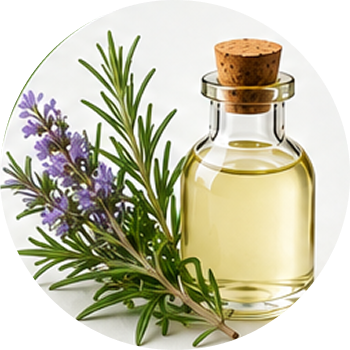
Rosemary Oil cutout
Rosemary Oil
Leaf
Botanical Name Salvia rosmarinus
Common Name Rosemary Oil
Part Used Leaf
Active Components 1,8-Cineole / Camphor
Standardisations On request
Forms Available Liquid, Dry Powder, PG Base, Paste, Blends
Herbal Extract Ratio On request
Organic icon Organic

Introduction

Rosemary Oil (Salvia rosmarinus) is a botanical valued in traditional and modern herbal practice, included here for its relevance to heart, circulation and cholesterol. This oil is obtained from the leaf of the plant and is associated with 1,8-cineole / camphor as its key constituent.

How It Benefits the Body

In the body, Rosemary Oil is traditionally used to ease digestion, relieve gas and bloating and soothe the stomach, support the respiratory tract and help clear mucus, and neutralise free radicals and limit oxidative stress on cells. This activity is attributed largely to its 1,8-cineole / camphor. Used within a balanced regimen, it supports the body's own functions rather than replacing professional medical care.

Industries Served

Rosemary Oil is used across Ayurvedic & herbal medicine, Nutraceuticals & dietary supplements, Pharmaceuticals, Cosmetics & personal care and Food & beverage. It is supplied in liquid, dry-powder, PG-base, paste and blend forms to suit each formulation.

digestive comforting, bloating alleviation, carminative actions, mucus clearance, pulmonary comfort, antioxidant action, rosmarinus officinalis, cineole terpene, camphoraceous oil
Lycopene cutout
Lycopene
Fruit
Botanical Name Solanum lycopersicum
Common Name Lycopene
Part Used Vegetable
Active Components Lycopene
Standardisations Customisable
Forms Available Dry, Spray Dry, Liquid, Oil, Paste
Herbal Extract Ratio To marker spec (≈4:1–10:1 native)
Organic icon Organic

Introduction

Lycopene (Solanum lycopersicum) is a botanical valued in traditional and modern herbal practice, included here for its relevance to heart, circulation and cholesterol. This extract is prepared from the fruit of the plant and is associated with lycopene as its key constituent.

How It Benefits the Body

In the body, Lycopene is traditionally used to neutralise free radicals and limit oxidative stress on cells, support healthy heart and circulatory function, and support healthy skin, hair and a clear complexion. This activity is attributed largely to its lycopene. Used within a balanced regimen, it supports the body's own functions rather than replacing professional medical care.

Industries Served

Lycopene is used across Ayurvedic & herbal medicine, Nutraceuticals & dietary supplements, Cosmetics & personal care and Food & beverage. It is supplied in dry, spray-dried, liquid, oil and paste forms to suit each formulation.

antioxidant protection, radical scavengers, vascular wall health, dermal radiance, cosmetic nutrition, tomato extract, carotenoid antioxidant, customized lycopene beadlets, cardiovascular integrity
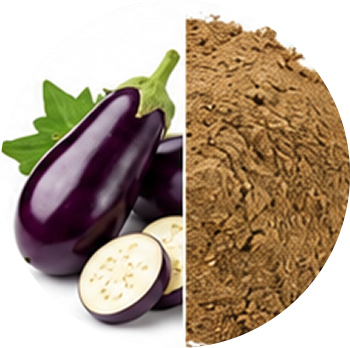
Brinjal (Eggplant) cutout
Brinjal (Eggplant)
Fruit
Botanical Name Solanum melongena
Common Name Brinjal (Eggplant)
Part Used Vegetable
Active Components Nasunin / Anthocyanins
Standardisations On request
Forms Available Dry, Spray Dry, Liquid, Oil, Paste
Herbal Extract Ratio On request
Organic icon Organic

Introduction

Brinjal (Eggplant) (Solanum melongena) is a botanical valued in traditional and modern herbal practice, included here for its relevance to heart, circulation and cholesterol. This extract is prepared from the fruit of the plant and is associated with nasunin / anthocyanins as its key constituent.

How It Benefits the Body

In the body, Brinjal (Eggplant) is traditionally used to neutralise free radicals and limit oxidative stress on cells, and support healthy heart and circulatory function. This activity is attributed largely to its nasunin / anthocyanins. Used within a balanced regimen, it supports the body's own functions rather than replacing professional medical care.

Industries Served

Brinjal (Eggplant) is used across Ayurvedic & herbal medicine, Nutraceuticals & dietary supplements, Cosmetics & personal care and Food & beverage. It is supplied in dry, spray-dried, liquid, oil and paste forms to suit each formulation.

cellular cell defense, radical suppression, arterial lining support, cardio strength, baingan extract, nasunin antioxidant, purple anthocyanin pigments, heart conditioning botanical
Arjuna cutout
Arjuna
Bark
Botanical Name Terminalia arjuna
Common Name Arjuna
Part Used Bark
Active Components Arjunolic Acid
Standardisations Customisable
Forms Available Dry, Spray Dry, Liquid, Oil, Paste
Herbal Extract Ratio 10:1
Organic icon Organic

Introduction

Arjuna (Terminalia arjuna) is a botanical valued in traditional and modern herbal practice, included here for its relevance to heart, circulation and cholesterol. This extract is prepared from the bark of the plant and is associated with arjunolic acid as its key constituent.

How It Benefits the Body

In the body, Arjuna is traditionally used to support healthy heart and circulatory function, and act as a restorative that supports overall strength and vitality. This activity is attributed largely to its arjunolic acid. Used within a balanced regimen, it supports the body's own functions rather than replacing professional medical care.

Industries Served

Arjuna is used across Ayurvedic & herbal medicine, Nutraceuticals & dietary supplements, Pharmaceuticals and Food & beverage. It is supplied in dry, spray-dried, liquid, oil and paste forms to suit each formulation.

cardiovascular performance, myocardial support, vascular tone, stamina booster, vitalising tonic, arjun bark extract, arjunolic acid triterpenoid, premier ayurvedic cardiotonic, circulatory health
Ajwain cutout
Ajwain
Seed
Botanical Name Trachyspermum ammi
Common Name Ajwain
Part Used Seed
Active Components Volatile Oil
Standardisations Customisable
Forms Available Dry, Spray Dry, Liquid, Oil, Paste
Herbal Extract Ratio 10:1
Organic icon Organic

Introduction

Ajwain (Trachyspermum ammi) is a botanical valued in traditional and modern herbal practice, included here for its relevance to heart, circulation and cholesterol. This extract is prepared from the seed of the plant and is associated with volatile oil as its key constituent.

How It Benefits the Body

In the body, Ajwain is traditionally used to ease digestion, relieve gas and bloating and soothe the stomach, help the body resist microbial and infectious challenges, and support healthy cholesterol, lipids and weight management. This activity is attributed largely to its volatile oil. Used within a balanced regimen, it supports the body's own functions rather than replacing professional medical care.

Industries Served

Ajwain is used across Ayurvedic & herbal medicine, Nutraceuticals & dietary supplements, Pharmaceuticals, Cosmetics & personal care and Food & beverage. It is supplied in dry, spray-dried, liquid, oil and paste forms to suit each formulation.

gastrointestinal comfort, carminative relief, stomach defense, microbial resistance, lipid stabilization, carom seed extract, thymol rich volatile oil, metabolic support, weight balance
Fenugreek cutout
Fenugreek
Seeds
Botanical Name Trigonella foenum-graecum
Common Name Fenugreek
Part Used Seeds
Active Components Saponins
Standardisations Customisable
Forms Available Dry, Spray Dry, Liquid, Oil, Paste
Herbal Extract Ratio 10:1
Organic icon Organic

Introduction

Fenugreek (Trigonella foenum-graecum) is a botanical valued in traditional and modern herbal practice, included here for its relevance to heart, circulation and cholesterol. This extract is prepared from the seeds of the plant and is associated with saponins as its key constituent.

How It Benefits the Body

In the body, Fenugreek is traditionally used to support healthy blood-sugar balance, support healthy lactation, and support healthy cholesterol, lipids and weight management. This activity is attributed largely to its saponins. Used within a balanced regimen, it supports the body's own functions rather than replacing professional medical care.

Industries Served

Fenugreek is used across Ayurvedic & herbal medicine, Nutraceuticals & dietary supplements, Pharmaceuticals and Cosmetics & personal care. It is supplied in dry, spray-dried, liquid, oil and paste forms to suit each formulation.

glucose regulation, glycemic control, galactagogue support, breast milk production, lipid profile optimization, methi extract, steroidal saponins, metabolic fitness seed
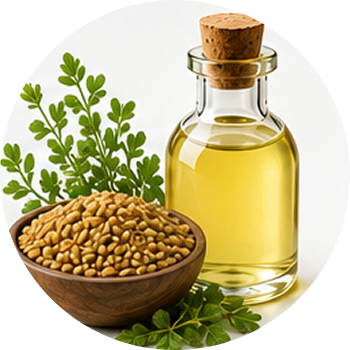
Fenugreek Oil cutout
Fenugreek Oil
Seed
Botanical Name Trigonella foenum-graecum
Common Name Fenugreek Oil
Part Used Seed
Active Components Fixed Oil / Saponins
Standardisations On request
Forms Available Liquid, Dry Powder, PG Base, Paste, Blends
Herbal Extract Ratio On request
Organic icon Organic

Introduction

Fenugreek Oil (Trigonella foenum-graecum) is a botanical valued in traditional and modern herbal practice, included here for its relevance to heart, circulation and cholesterol. This oil is obtained from the seed of the plant and is associated with fixed oil / saponins as its key constituent.

How It Benefits the Body

In the body, Fenugreek Oil is traditionally used to ease digestion, relieve gas and bloating and soothe the stomach, support healthy blood-sugar balance, and support healthy lactation. This activity is attributed largely to its fixed oil / saponins. Used within a balanced regimen, it supports the body's own functions rather than replacing professional medical care.

Industries Served

Fenugreek Oil is used across Ayurvedic & herbal medicine, Nutraceuticals & dietary supplements, Cosmetics & personal care and Food & beverage. It is supplied in liquid, dry-powder, PG-base, paste and blend forms to suit each formulation.

gastrointestinal soothing, flatulence defense, metabolic glucose support, lactation enhancement, methi ka tel, fixed seed lipids, saponin rich fraction, digestive health
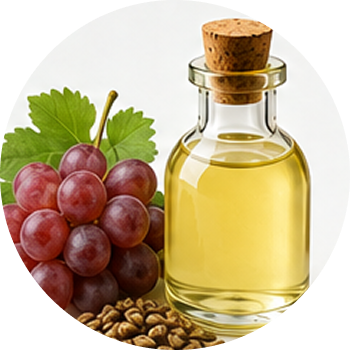
Grape Seed cutout
Grape Seed
Seed
Botanical Name Vitis vinifera
Common Name Grape Seed
Part Used Seed
Active Components Proanthocyanidins
Standardisations Customisable
Forms Available Dry, Spray Dry, Liquid, Oil, Paste
Herbal Extract Ratio 10:1
Organic icon Organic

Introduction

Grape Seed (Vitis vinifera) is a botanical valued in traditional and modern herbal practice, included here for its relevance to heart, circulation and cholesterol. This extract is prepared from the seed of the plant and is associated with proanthocyanidins as its key constituent.

How It Benefits the Body

In the body, Grape Seed is traditionally used to neutralise free radicals and limit oxidative stress on cells, and support healthy heart and circulatory function. This activity is attributed largely to its proanthocyanidins. Used within a balanced regimen, it supports the body's own functions rather than replacing professional medical care.

Industries Served

Grape Seed is used across Ayurvedic & herbal medicine, Nutraceuticals & dietary supplements, Cosmetics & personal care and Food & beverage. It is supplied in dry, spray-dried, liquid, oil and paste forms to suit each formulation.

antioxidant shielding, radical scavengers, vascular tone, endothelial protection, heart defense, draksha beej extract, oligomeric proanthocyanidins, OPC antioxidant, circulatory strength
Grape Seed Oil cutout
Grape Seed Oil
Seed
Botanical Name Vitis vinifera
Common Name Grape Seed Oil
Part Used Seed
Active Components Fatty Acids / OPC
Standardisations On request
Forms Available Liquid, Dry Powder, PG Base, Paste, Blends
Herbal Extract Ratio On request
Organic icon Organic

Introduction

Grape Seed Oil (Vitis vinifera) is a botanical valued in traditional and modern herbal practice, included here for its relevance to heart, circulation and cholesterol. This oil is obtained from the seed of the plant and is associated with fatty acids / opc as its key constituent.

How It Benefits the Body

In the body, Grape Seed Oil is traditionally used to neutralise free radicals and limit oxidative stress on cells, ease joint and muscular discomfort and support bone health, and support healthy heart and circulatory function. This activity is attributed largely to its fatty acids / opc. Used within a balanced regimen, it supports the body's own functions rather than replacing professional medical care.

Industries Served

Grape Seed Oil is used across Ayurvedic & herbal medicine, Nutraceuticals & dietary supplements, Pharmaceuticals, Cosmetics & personal care and Food & beverage. It is supplied in liquid, dry-powder, PG-base, paste and blend forms to suit each formulation.

antioxidant shielding, radical mitigation, structural joint comfort, bone structural support, cardiovascular tone, draksha beej tel, oligomeric proanthocyanidins, essential fatty acids, emollient lipid
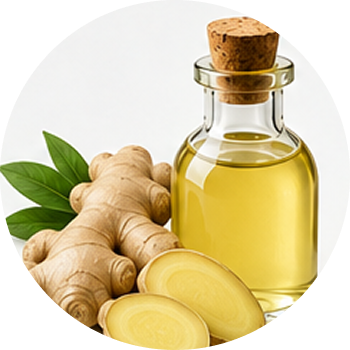
Ginger Oil cutout
Ginger Oil
Rhizome
Botanical Name Zingiber officinale
Common Name Ginger Oil
Part Used Rhizome
Active Components Zingiberene / Gingerol
Standardisations On request
Forms Available Liquid, Dry Powder, PG Base, Paste, Blends
Herbal Extract Ratio On request
Organic icon Organic

Introduction

Ginger Oil (Zingiber officinale) is a botanical valued in traditional and modern herbal practice, included here for its relevance to heart, circulation and cholesterol. This oil is obtained from the rhizome of the plant and is associated with zingiberene / gingerol as its key constituent.

How It Benefits the Body

In the body, Ginger Oil is traditionally used to ease digestion, relieve gas and bloating and soothe the stomach, support relief from loose motions and digestive upset, and support the respiratory tract and help clear mucus. This activity is attributed largely to its zingiberene / gingerol. Used within a balanced regimen, it supports the body's own functions rather than replacing professional medical care.

Industries Served

Ginger Oil is used across Ayurvedic & herbal medicine, Nutraceuticals & dietary supplements, Pharmaceuticals, Cosmetics & personal care and Food & beverage. It is supplied in liquid, dry-powder, PG-base, paste and blend forms to suit each formulation.

gastrointestinal comfort, carminative relief, stomach soothing, bowel regularization, respiratory tract clear, adrak ka tel, aromatic zingiberene fraction, gingerols warming, circulatory catalyst
Disclaimer

These statements have not been evaluated by the Food and Drug Administration or any equivalent authority. These products are not intended to diagnose, treat, cure or prevent any disease. Categorisation reflects traditional and reported uses for general guidance only; an extract may appear in more than one health-concern catalogue. Standardisation ranges, extract ratios and available forms are confirmed on request.