
Botanical Extracts for Agriculture

Home Organic Products Botanical Extracts for Agriculture
Organic Products

Botanical Extracts for Agriculture

Our Botanical Extracts for Agriculture range represents a selection of premium standardized botanical extracts specifically curated for crop protection, bio-pesticides, bio-fertilizers, and organic farming formulations. Standardized to active constituents like azadirachtin, alkaloids, and volatile oils, these ingredients support pest repellency, fungal resistance, and overall soil and crop vitality. The profiles below outline source, specification, key features, and target industries to help formulators choose the right ingredient with confidence.

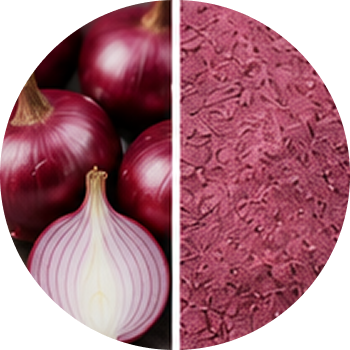
Onion cutout
Allium cepa
Onion (Bulb)
Botanical Name Allium cepa
Part Used Bulb
Active Components Sulphur Compounds
Standardisations On request
Forms Available Dry, Spray Dry, Liquid, Oil, Paste
Organic icon Organic

Introduction

Onion (Allium cepa) is a botanical valued as a natural input for crop protection and soil health. This extract is prepared from the bulb of the plant and concentrates its sulphur compounds, the constituent chiefly responsible for its agricultural activity. It is intended for use in eco-friendly, residue-conscious farming as an alternative or complement to synthetic agrochemicals.

How It Benefits Crops & Soil

In the field, Onion extract works to repel pests and insects, reducing infestation pressure without synthetic chemicals, and suppress fungal pathogens responsible for blights, rots, mildews and damping-off. This performance is linked chiefly to its sulphur compounds, which gives the extract its characteristic agricultural action. Being plant-derived, it breaks down readily and is suited to integrated pest management and organic-input programmes.

Industries Served

Across the agri sector, Onion extract is used in Agriculture & agro-inputs, Botanical biopesticides & repellents, Biofungicides & plant-health products and Organic farming. It is supplied in dry, spray dry, liquid, oil, paste forms so it can be matched to wettable powders, emulsifiable concentrates, foliar sprays, soil drenches and granular blends.
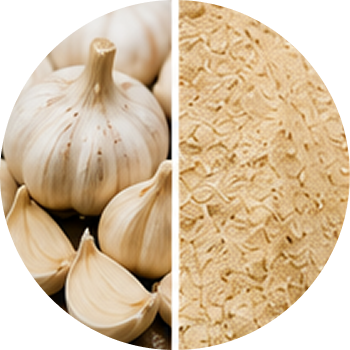
Garlic cutout
Allium sativum
Garlic (Bulb)
Botanical Name Allium sativum
Part Used Bulb
Active Components Allicin
Standardisations On request
Forms Available Dry, Spray Dry, Liquid, Oil, Paste
Organic icon Organic

Introduction

Garlic (Allium sativum) is a botanical valued as a natural input for crop protection and soil health. This extract is prepared from the bulb of the plant and concentrates its allicin, the constituent chiefly responsible for its agricultural activity. It is intended for use in eco-friendly, residue-conscious farming as an alternative or complement to synthetic agrochemicals.

How It Benefits Crops & Soil

In the field, Garlic extract works to act as a natural insecticide that disrupts the life cycle of common crop-damaging insects, help manage soil nematodes that attack and weaken plant roots, and suppress fungal pathogens responsible for blights, rots, mildews and damping-off. This performance is linked chiefly to its allicin, which gives the extract its characteristic agricultural action. Being plant-derived, it breaks down readily and is suited to integrated pest management and organic-input programmes.

Industries Served

Across the agri sector, Garlic extract is used in Agriculture & agro-inputs, Botanical biopesticides & repellents and Biofungicides & plant-health products. It is supplied in dry, spray dry, liquid, oil, paste forms so it can be matched to wettable powders, emulsifiable concentrates, foliar sprays, soil drenches and granular blends.
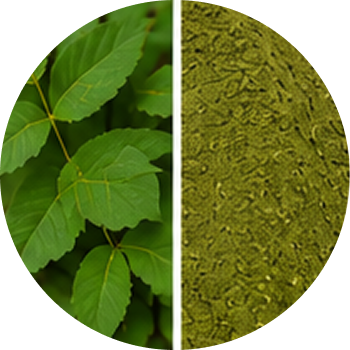
Neem Leaf cutout
Azadirachta indica
Neem Leaf (Leaf)
Botanical Name Azadirachta indica
Part Used Leaf
Active Components Nimbidin
Standardisations On request
Forms Available Dry, Spray Dry, Liquid, Oil, Paste
Organic icon Organic

Introduction

Neem Leaf (Azadirachta indica) is a botanical valued as a natural input for crop protection and soil health. This extract is prepared from the leaf of the plant and concentrates its nimbidin, the constituent chiefly responsible for its agricultural activity. It is intended for use in eco-friendly, residue-conscious farming as an alternative or complement to synthetic agrochemicals.

How It Benefits Crops & Soil

In the field, Neem Leaf extract works to deter insects from feeding on foliage so that crops can grow undamaged, repel pests and insects, reducing infestation pressure without synthetic chemicals, and suppress fungal pathogens responsible for blights, rots, mildews and damping-off. This performance is linked chiefly to its nimbidin, which gives the extract its characteristic agricultural action. Being plant-derived, it breaks down readily and is suited to integrated pest management and organic-input programmes.

Industries Served

Across the agri sector, Neem Leaf extract is used in Agriculture & agro-inputs, Botanical biopesticides & repellents, Biofungicides & plant-health products and Organic farming. It is supplied in dry, spray dry, liquid, oil, paste forms so it can be matched to wettable powders, emulsifiable concentrates, foliar sprays, soil drenches and granular blends.
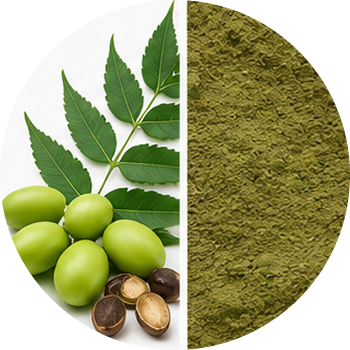
Neem Seeds cutout
Azadirachta indica
Neem Seeds (Seed)
Botanical Name Azadirachta indica
Part Used Seed
Active Components Azadirachtin
Standardisations On request
Forms Available Dry, Spray Dry, Liquid, Oil, Paste
Organic icon Organic

Introduction

Neem Seeds (Azadirachta indica) is a botanical valued as a natural input for crop protection and soil health. This extract is prepared from the seed of the plant and concentrates its azadirachtin, the constituent chiefly responsible for its agricultural activity. It is intended for use in eco-friendly, residue-conscious farming as an alternative or complement to synthetic agrochemicals.

How It Benefits Crops & Soil

In the field, Neem Seeds extract works to act as a natural insecticide that disrupts the life cycle of common crop-damaging insects, deter insects from feeding on foliage so that crops can grow undamaged, and help manage soil nematodes that attack and weaken plant roots. This performance is linked chiefly to its azadirachtin, which gives the extract its characteristic agricultural action. Being plant-derived, it breaks down readily and is suited to integrated pest management and organic-input programmes.

Industries Served

Across the agri sector, Neem Seeds extract is used in Agriculture & agro-inputs, Botanical biopesticides & repellents and Organic farming. It is supplied in dry, spray dry, liquid, oil, paste forms so it can be matched to wettable powders, emulsifiable concentrates, foliar sprays, soil drenches and granular blends.
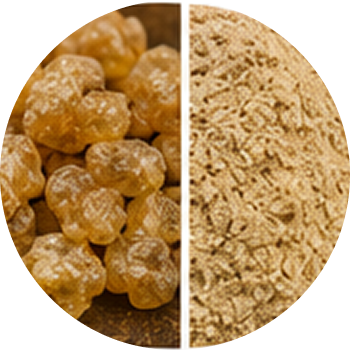
Hing cutout
Ferula asafoetida
Hing (Gum Resin)
Botanical Name Ferula asafoetida
Part Used Gum Resin
Active Components Volatile Oil
Standardisations On request
Forms Available Dry, Spray Dry, Liquid, Oil, Paste
Organic icon Organic

Introduction

Hing (Ferula asafoetida) is a botanical valued as a natural input for crop protection and soil health. This extract is prepared from the gum resin of the plant and concentrates its volatile oil, the constituent chiefly responsible for its agricultural activity. It is intended for use in eco-friendly, residue-conscious farming as an alternative or complement to synthetic agrochemicals.

How It Benefits Crops & Soil

In the field, Hing extract works to repel pests and insects, reducing infestation pressure without synthetic chemicals. This performance is linked chiefly to its volatile oil, which gives the extract its characteristic agricultural action. Being plant-derived, it breaks down readily and is suited to integrated pest management and organic-input programmes.

Industries Served

Across the agri sector, Hing extract is used in Agriculture & agro-inputs, Botanical biopesticides & repellents and Organic farming. It is supplied in dry, spray dry, liquid, oil, paste forms so it can be matched to wettable powders, emulsifiable concentrates, foliar sprays, soil drenches and granular blends.

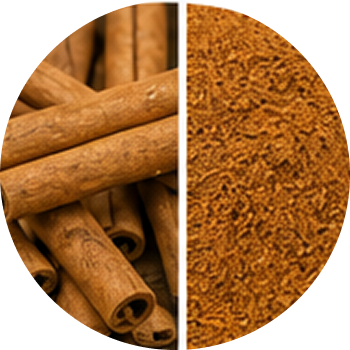
Twak cutout
Cinnamomum zeylanicum
Twak (Bark)
Botanical Name Cinnamomum zeylanicum
Part Used Bark
Active Components Cinnamaldehyde
Standardisations On request
Forms Available Dry, Spray Dry, Liquid, Oil, Paste
Organic icon Organic

Introduction

Twak (Cinnamomum zeylanicum) is a botanical valued as a natural input for crop protection and soil health. This extract is prepared from the bark of the plant and concentrates its cinnamaldehyde, the constituent chiefly responsible for its agricultural activity. It is intended for use in eco-friendly, residue-conscious farming as an alternative or complement to synthetic agrochemicals.

How It Benefits Crops & Soil

In the field, Twak extract works to suppress fungal pathogens responsible for blights, rots, mildews and damping-off, and control harmful bacteria and microbes that affect plant health. This performance is linked chiefly to its cinnamaldehyde, which gives the extract its characteristic agricultural action. Being plant-derived, it breaks down readily and is suited to integrated pest management and organic-input programmes.

Industries Served

Across the agri sector, Twak extract is used in Agriculture & agro-inputs, Biofungicides & plant-health products and Organic farming. It is supplied in dry, spray dry, liquid, oil, paste forms so it can be matched to wettable powders, emulsifiable concentrates, foliar sprays, soil drenches and granular blends.

Sitafal Beej cutout
Annona squamosa
Sitafal Beej (Seed)
Botanical Name Annona squamosa
Part Used Seed
Active Components Acetogenins
Standardisations On request
Forms Available Dry, Spray Dry, Liquid, Oil, Paste
Organic icon Organic

Introduction

Sitafal Beej (Annona squamosa) is a botanical valued as a natural input for crop protection and soil health. This extract is prepared from the seed of the plant and concentrates its acetogenins, the constituent chiefly responsible for its agricultural activity. It is intended for use in eco-friendly, residue-conscious farming as an alternative or complement to synthetic agrochemicals.

How It Benefits Crops & Soil

In the field, Sitafal Beej extract works to act as a natural insecticide that disrupts the life cycle of common crop-damaging insects, and repel pests and insects, reducing infestation pressure without synthetic chemicals. This performance is linked chiefly to its acetogenins, which gives the extract its characteristic agricultural action. Being plant-derived, it breaks down readily and is suited to integrated pest management and organic-input programmes.

Industries Served

Across the agri sector, Sitafal Beej extract is used in Agriculture & agro-inputs, Botanical biopesticides & repellents and Organic farming. It is supplied in dry, spray dry, liquid, oil, paste forms so it can be matched to wettable powders, emulsifiable concentrates, foliar sprays, soil drenches and granular blends.

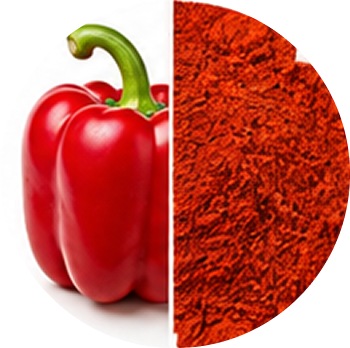
Capsicum cutout
Capsicum spp.
Capsicum
Botanical Name Capsicum spp.
Part Used Vegetable
Active Components Capsaicin
Standardisations On request
Forms Available Dry, Spray Dry, Liquid, Oil, Paste
Organic icon Organic

Introduction

Capsicum (Capsicum spp.) is a botanical valued as a natural input for crop protection and soil health. This extract is prepared from the fruit of the plant and concentrates its capsaicin, the constituent chiefly responsible for its agricultural activity. It is intended for use in eco-friendly, residue-conscious farming as an alternative or complement to synthetic agrochemicals.

How It Benefits Crops & Soil

In the field, Capsicum extract works to repel pests and insects, reducing infestation pressure without synthetic chemicals, and act as a natural insecticide that disrupts the life cycle of common crop-damaging insects. This performance is linked chiefly to its capsaicin, which gives the extract its characteristic agricultural action. Being plant-derived, it breaks down readily and is suited to integrated pest management and organic-input programmes.

Industries Served

Across the agri sector, Capsicum extract is used in Agriculture & agro-inputs, Botanical biopesticides & repellents and Organic farming. It is supplied in dry, spray dry, liquid, oil, paste forms so it can be matched to wettable powders, emulsifiable concentrates, foliar sprays, soil drenches and granular blends.

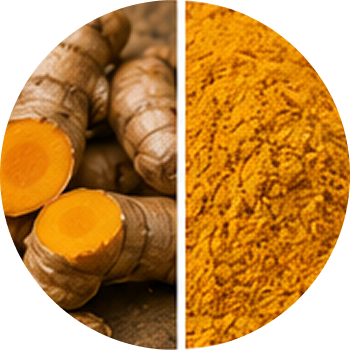
Turmeric cutout
Curcuma longa
Turmeric (Rhizome)
Botanical Name Curcuma longa
Part Used Rhizome
Active Components Curcuminoids
Standardisations On request
Forms Available Dry, Spray Dry, Liquid, Oil, Paste
Organic icon Organic

Introduction

Turmeric (Curcuma longa) is a botanical valued as a natural input for crop protection and soil health. This extract is prepared from the rhizome of the plant and concentrates its curcuminoids, the constituent chiefly responsible for its agricultural activity. It is intended for use in eco-friendly, residue-conscious farming as an alternative or complement to synthetic agrochemicals.

How It Benefits Crops & Soil

In the field, Turmeric extract works to suppress fungal pathogens responsible for blights, rots, mildews and damping-off, control harmful bacteria and microbes that affect plant health, and improve soil structure and microbial balance, supporting long-term fertility. This performance is linked chiefly to its curcuminoids, which gives the extract its characteristic agricultural action. Being plant-derived, it breaks down readily and is suited to integrated pest management and organic-input programmes.

Industries Served

Across the agri sector, Turmeric extract is used in Agriculture & agro-inputs, Biofungicides & plant-health products and Organic farming. It is supplied in dry, spray dry, liquid, oil, paste forms so it can be matched to wettable powders, emulsifiable concentrates, foliar sprays, soil drenches and granular blends.

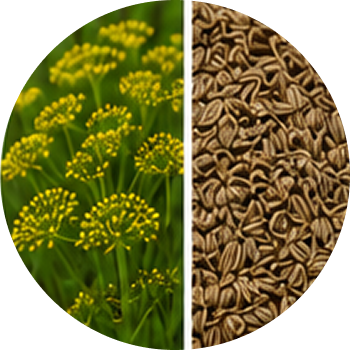
Suva (Dill) cutout
Anethum graveolens
Suva (Dill) (Seed)
Botanical Name Anethum graveolens
Part Used Seed
Active Components Carvone
Standardisations On request
Forms Available Dry, Spray Dry, Liquid, Oil, Paste
Organic icon Organic

Introduction

Suva (Dill) (Anethum graveolens) is a botanical valued as a natural input for crop protection and soil health. This extract is prepared from the seed of the plant and concentrates its carvone, the constituent chiefly responsible for its agricultural activity. It is intended for use in eco-friendly, residue-conscious farming as an alternative or complement to synthetic agrochemicals.

How It Benefits Crops & Soil

In the field, Suva (Dill) extract works to repel pests and insects, reducing infestation pressure without synthetic chemicals, and act as a natural insecticide that disrupts the life cycle of common crop-damaging insects. This performance is linked chiefly to its carvone, which gives the extract its characteristic agricultural action. Being plant-derived, it breaks down readily and is suited to integrated pest management and organic-input programmes.

Industries Served

Across the agri sector, Suva (Dill) extract is used in Agriculture & agro-inputs, Botanical biopesticides & repellents and Organic farming. It is supplied in dry, spray dry, liquid, oil, paste forms so it can be matched to wettable powders, emulsifiable concentrates, foliar sprays, soil drenches and granular blends.

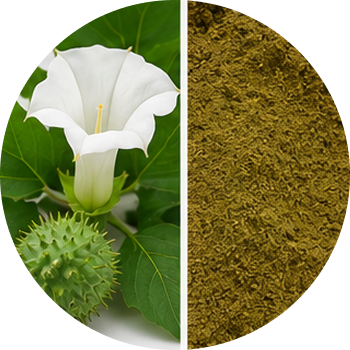
Datura cutout
Datura stramonium
Datura (Leaf)
Botanical Name Datura stramonium
Part Used Leaf
Active Components Tropane Alkaloids
Standardisations On request
Forms Available Dry, Spray Dry, Liquid, Oil, Paste
Organic icon Organic

Introduction

Datura (Datura stramonium) is a botanical valued as a natural input for crop protection and soil health. This extract is prepared from the leaf of the plant and concentrates its tropane alkaloids, the constituent chiefly responsible for its agricultural activity. It is intended for use in eco-friendly, residue-conscious farming as an alternative or complement to synthetic agrochemicals.

How It Benefits Crops & Soil

In the field, Datura extract works to act as a natural insecticide that disrupts the life cycle of common crop-damaging insects, and repel pests and insects, reducing infestation pressure without synthetic chemicals. This performance is linked chiefly to its tropane alkaloids, which gives the extract its characteristic agricultural action. Being plant-derived, it breaks down readily and is suited to integrated pest management and organic-input programmes.

Industries Served

Across the agri sector, Datura extract is used in Agriculture & agro-inputs, Botanical biopesticides & repellents and Organic farming. It is supplied in dry, spray dry, liquid, oil, paste forms so it can be matched to wettable powders, emulsifiable concentrates, foliar sprays, soil drenches and granular blends.

Vidang cutout
Embelia ribes
Vidang (Seed)
Botanical Name Embelia ribes
Part Used Seed
Active Components Embelin
Standardisations On request
Forms Available Dry, Spray Dry, Liquid, Oil, Paste
Organic icon Organic

Introduction

Vidang (Embelia ribes) is a botanical valued as a natural input for crop protection and soil health. This extract is prepared from the seed of the plant and concentrates its embelin, the constituent chiefly responsible for its agricultural activity. It is intended for use in eco-friendly, residue-conscious farming as an alternative or complement to synthetic agrochemicals.

How It Benefits Crops & Soil

In the field, Vidang extract works to act against parasitic worms and larvae in the crop environment, and act as a natural insecticide that disrupts the life cycle of common crop-damaging insects. This performance is linked chiefly to its embelin, which gives the extract its characteristic agricultural action. Being plant-derived, it breaks down readily and is suited to integrated pest management and organic-input programmes.

Industries Served

Across the agri sector, Vidang extract is used in Agriculture & agro-inputs, Botanical biopesticides & repellents and Organic farming. It is supplied in dry, spray dry, liquid, oil, paste forms so it can be matched to wettable powders, emulsifiable concentrates, foliar sprays, soil drenches and granular blends.

Naffatio Leaf cutout
Ipomoea fistulosa
Naffatio Leaf (Leaf)
Botanical Name Ipomoea fistulosa
Part Used Leaf
Active Components Alkaloids
Standardisations On request
Forms Available Dry, Spray Dry, Liquid, Oil, Paste
Organic icon Organic

Introduction

Naffatio Leaf (Ipomoea fistulosa) is a botanical valued as a natural input for crop protection and soil health. This extract is prepared from the leaf of the plant and concentrates its alkaloids, the constituent chiefly responsible for its agricultural activity. It is intended for use in eco-friendly, residue-conscious farming as an alternative or complement to synthetic agrochemicals.

How It Benefits Crops & Soil

In the field, Naffatio Leaf extract works to repel pests and insects, reducing infestation pressure without synthetic chemicals, and act as a natural insecticide that disrupts the life cycle of common crop-damaging insects. This performance is linked chiefly to its alkaloids, which gives the extract its characteristic agricultural action. Being plant-derived, it breaks down readily and is suited to integrated pest management and organic-input programmes.

Industries Served

Across the agri sector, Naffatio Leaf extract is used in Agriculture & agro-inputs, Botanical biopesticides & repellents and Organic farming. It is supplied in dry, spray dry, liquid, oil, paste forms so it can be matched to wettable powders, emulsifiable concentrates, foliar sprays, soil drenches and granular blends.

Ratanjyot cutout
Jatropha curcas
Ratanjyot (Leaf / Seed)
Botanical Name Jatropha curcas
Part Used Leaf / Seed
Active Components Phorbol Esters
Standardisations On request
Forms Available Dry, Spray Dry, Liquid, Oil, Paste
Organic icon Organic

Introduction

Ratanjyot (Jatropha curcas) is a botanical valued as a natural input for crop protection and soil health. This extract is prepared from the leaf / seed of the plant and concentrates its phorbol esters, the constituent chiefly responsible for its agricultural activity. It is intended for use in eco-friendly, residue-conscious farming as an alternative or complement to synthetic agrochemicals.

How It Benefits Crops & Soil

In the field, Ratanjyot extract works to act as a natural insecticide that disrupts the life cycle of common crop-damaging insects, and help control snails, slugs and other soft-bodied pests. This performance is linked chiefly to its phorbol esters, which gives the extract its characteristic agricultural action. Being plant-derived, it breaks down readily and is suited to integrated pest management and organic-input programmes.

Industries Served

Across the agri sector, Ratanjyot extract is used in Agriculture & agro-inputs, Botanical biopesticides & repellents and Organic farming. It is supplied in dry, spray dry, liquid, oil, paste forms so it can be matched to wettable powders, emulsifiable concentrates, foliar sprays, soil drenches and granular blends.

Saragva cutout
Moringa oleifera
Saragva (Leaf)
Botanical Name Moringa oleifera
Part Used Leaf
Active Components Zeatin
Standardisations On request
Forms Available Dry, Spray Dry, Liquid, Oil, Paste
Organic icon Organic

Introduction

Saragva (Moringa oleifera) is a botanical valued as a natural input for crop protection and soil health. This extract is prepared from the leaf of the plant and concentrates its zeatin, the constituent chiefly responsible for its agricultural activity. It is intended for use in eco-friendly, residue-conscious farming as an alternative or complement to synthetic agrochemicals.

How It Benefits Crops & Soil

In the field, Saragva extract works to stimulate vigorous growth, root development, flowering and yield as a natural biostimulant, and improve soil structure and microbial balance, supporting long-term fertility. This performance is linked chiefly to its zeatin, which gives the extract its characteristic agricultural action. Being plant-derived, it breaks down readily and is suited to integrated pest management and organic-input programmes.

Industries Served

Across the agri sector, Saragva extract is used in Agriculture & agro-inputs and Organic farming. It is supplied in dry, spray dry, liquid, oil, paste forms so it can be matched to wettable powders, emulsifiable concentrates, foliar sprays, soil drenches and granular blends.

Tulsi cutout
Ocimum sanctum
Tulsi (Leaf)
Botanical Name Ocimum sanctum
Part Used Leaf
Active Components Eugenol
Standardisations On request
Forms Available Dry, Spray Dry, Liquid, Oil, Paste
Organic icon Organic

Introduction

Tulsi (Ocimum sanctum) is a botanical valued as a natural input for crop protection and soil health. This extract is prepared from the leaf of the plant and concentrates its eugenol, the constituent chiefly responsible for its agricultural activity. It is intended for use in eco-friendly, residue-conscious farming as an alternative or complement to synthetic agrochemicals.

How It Benefits Crops & Soil

In the field, Tulsi extract works to repel pests and insects, reducing infestation pressure without synthetic chemicals, and control harmful bacteria and microbes that affect plant health. This performance is linked chiefly to its eugenol, which gives the extract its characteristic agricultural action. Being plant-derived, it breaks down readily and is suited to integrated pest management and organic-input programmes.

Industries Served

Across the agri sector, Tulsi extract is used in Agriculture & agro-inputs, Botanical biopesticides & repellents, Biofungicides & plant-health products and Organic farming. It is supplied in dry, spray dry, liquid, oil, paste forms so it can be matched to wettable powders, emulsifiable concentrates, foliar sprays, soil drenches and granular blends.

Karanj Seed cutout
Pongamia glabra
Karanj Seed (Seed)
Botanical Name Pongamia glabra
Part Used Seed
Active Components Karanjin
Standardisations On request
Forms Available Dry, Spray Dry, Liquid, Oil, Paste
Organic icon Organic

Introduction

Karanj Seed (Pongamia glabra) is a botanical valued as a natural input for crop protection and soil health. This extract is prepared from the seed of the plant and concentrates its karanjin, the constituent chiefly responsible for its agricultural activity. It is intended for use in eco-friendly, residue-conscious farming as an alternative or complement to synthetic agrochemicals.

How It Benefits Crops & Soil

In the field, Karanj Seed extract works to act as a natural insecticide that disrupts the life cycle of common crop-damaging insects, and help manage soil nematodes that attack and weaken plant roots. This performance is linked chiefly to its karanjin, which gives the extract its characteristic agricultural action. Being plant-derived, it breaks down readily and is suited to integrated pest management and organic-input programmes.

Industries Served

Across the agri sector, Karanj Seed extract is used in Agriculture & agro-inputs, Botanical biopesticides & repellents and Organic farming. It is supplied in dry, spray dry, liquid, oil, paste forms so it can be matched to wettable powders, emulsifiable concentrates, foliar sprays, soil drenches and granular blends.

Erand Leaf cutout
Ricinus communis
Erand Leaf (Leaf)
Botanical Name Ricinus communis
Part Used Leaf
Active Components Ricinine
Standardisations On request
Forms Available Dry, Spray Dry, Liquid, Oil, Paste
Organic icon Organic

Introduction

Erand Leaf (Ricinus communis) is a botanical valued as a natural input for crop protection and soil health. This extract is prepared from the leaf of the plant and concentrates its ricinine, the constituent chiefly responsible for its agricultural activity. It is intended for use in eco-friendly, residue-conscious farming as an alternative or complement to synthetic agrochemicals.

How It Benefits Crops & Soil

In the field, Erand Leaf extract works to act as a natural insecticide that disrupts the life cycle of common crop-damaging insects, and repel pests and insects, reducing infestation pressure without synthetic chemicals. This performance is linked chiefly to its ricinine, which gives the extract its characteristic agricultural action. Being plant-derived, it breaks down readily and is suited to integrated pest management and organic-input programmes.

Industries Served

Across the agri sector, Erand Leaf extract is used in Agriculture & agro-inputs, Botanical biopesticides & repellents and Organic farming. It is supplied in dry, spray dry, liquid, oil, paste forms so it can be matched to wettable powders, emulsifiable concentrates, foliar sprays, soil drenches and granular blends.

Methi Leaf cutout
Trigonella foenum-graecum
Methi Leaf (Leaf)
Botanical Name Trigonella foenum-graecum
Part Used Leaf
Active Components Saponins
Standardisations On request
Forms Available Dry, Spray Dry, Liquid, Oil, Paste
Organic icon Organic

Introduction

Methi Leaf (Trigonella foenum-graecum) is a botanical valued as a natural input for crop protection and soil health. This extract is prepared from the leaf of the plant and concentrates its saponins, the constituent chiefly responsible for its agricultural activity. It is intended for use in eco-friendly, residue-conscious farming as an alternative or complement to synthetic agrochemicals.

How It Benefits Crops & Soil

In the field, Methi Leaf extract works to stimulate vigorous growth, root development, flowering and yield as a natural biostimulant, and improve soil structure and microbial balance, supporting long-term fertility. This performance is linked chiefly to its saponins, which gives the extract its characteristic agricultural action. Being plant-derived, it breaks down readily and is suited to integrated pest management and organic-input programmes.

Industries Served

Across the agri sector, Methi Leaf extract is used in Agriculture & agro-inputs and Organic farming. It is supplied in dry, spray dry, liquid, oil, paste forms so it can be matched to wettable powders, emulsifiable concentrates, foliar sprays, soil drenches and granular blends.

Nirgundi cutout
Vitex negundo
Nirgundi (Leaf)
Botanical Name Vitex negundo
Part Used Leaf
Active Components Volatile Oil
Standardisations On request
Forms Available Dry, Spray Dry, Liquid, Oil, Paste
Organic icon Organic

Introduction

Nirgundi (Vitex negundo) is a botanical valued as a natural input for crop protection and soil health. This extract is prepared from the leaf of the plant and concentrates its volatile oil, the constituent chiefly responsible for its agricultural activity. It is intended for use in eco-friendly, residue-conscious farming as an alternative or complement to synthetic agrochemicals.

How It Benefits Crops & Soil

In the field, Nirgundi extract works to repel pests and insects, reducing infestation pressure without synthetic chemicals, and deter insects from feeding on foliage so that crops can grow undamaged. This performance is linked chiefly to its volatile oil, which gives the extract its characteristic agricultural action. Being plant-derived, it breaks down readily and is suited to integrated pest management and organic-input programmes.

Industries Served

Across the agri sector, Nirgundi extract is used in Agriculture & agro-inputs, Botanical biopesticides & repellents and Organic farming. It is supplied in dry, spray dry, liquid, oil, paste forms so it can be matched to wettable powders, emulsifiable concentrates, foliar sprays, soil drenches and granular blends.

Tagar cutout
Valeriana wallichii
Tagar (Rhizome)
Botanical Name Valeriana wallichii
Part Used Rhizome
Active Components Valepotriates
Standardisations On request
Forms Available Dry, Spray Dry, Liquid, Oil, Paste
Organic icon Organic

Introduction

Tagar (Valeriana wallichii) is a botanical valued as a natural input for crop protection and soil health. This extract is prepared from the rhizome of the plant and concentrates its valepotriates, the constituent chiefly responsible for its agricultural activity. It is intended for use in eco-friendly, residue-conscious farming as an alternative or complement to synthetic agrochemicals.

How It Benefits Crops & Soil

In the field, Tagar extract works to repel pests and insects, reducing infestation pressure without synthetic chemicals. This performance is linked chiefly to its valepotriates, which gives the extract its characteristic agricultural action. Being plant-derived, it breaks down readily and is suited to integrated pest management and organic-input programmes.

Industries Served

Across the agri sector, Tagar extract is used in Agriculture & agro-inputs, Botanical biopesticides & repellents and Organic farming. It is supplied in dry, spray dry, liquid, oil, paste forms so it can be matched to wettable powders, emulsifiable concentrates, foliar sprays, soil drenches and granular blends.

Ginger cutout
Zingiber officinale
Ginger (Rhizome)
Botanical Name Zingiber officinale
Part Used Rhizome
Active Components Gingerol
Standardisations On request
Forms Available Dry, Spray Dry, Liquid, Oil, Paste
Organic icon Organic

Introduction

Ginger (Zingiber officinale) is a botanical valued as a natural input for crop protection and soil health. This extract is prepared from the rhizome of the plant and concentrates its gingerol, the constituent chiefly responsible for its agricultural activity. It is intended for use in eco-friendly, residue-conscious farming as an alternative or complement to synthetic agrochemicals.

How It Benefits Crops & Soil

In the field, Ginger extract works to suppress fungal pathogens responsible for blights, rots, mildews and damping-off, and repel pests and insects, reducing infestation pressure without synthetic chemicals. This performance is linked chiefly to its gingerol, which gives the extract its characteristic agricultural action. Being plant-derived, it breaks down readily and is suited to integrated pest management and organic-input programmes.

Industries Served

Across the agri sector, Ginger extract is used in Agriculture & agro-inputs, Botanical biopesticides & repellents, Biofungicides & plant-health products and Organic farming. It is supplied in dry, spray dry, liquid, oil, paste forms so it can be matched to wettable powders, emulsifiable concentrates, foliar sprays, soil drenches and granular blends.

Disclaimer

These statements have not been evaluated by the Food and Drug Administration or any equivalent authority. These products are not intended to diagnose, treat, cure or prevent any disease. Categorisation reflects traditional and reported uses for general guidance only; an extract may appear in more than one health-concern catalogue. Standardisation ranges, extract ratios and available forms are confirmed on request.