
DIGESTIVE & GUT HEALTH

Home Health Concerns Digestive & Gut Health
Health Concerns

DIGESTIVE & GUT HEALTH

This catalogue features botanical herbal extracts selected to support digestive wellness, healthy gut motility, gastrointestinal comfort, and natural gut flora balance. Extracts are chosen for their role in easing digestion, soothing stomach discomfort, supporting nutrient absorption, and promoting overall gastrointestinal health.

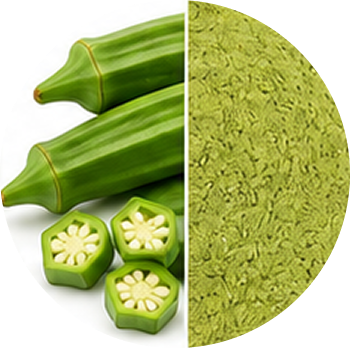
Okra (Lady Finger) cutout
Okra (Lady Finger)
Fruit
Botanical Name Abelmoschus esculentus
Common Name Okra (Lady Finger)
Part Used Vegetable
Active Components Mucilage / Dietary Fibre
Standardizations Available On request
Forms Available Dry, Spray Dry, Liquid, Oil, Paste
Herbal Extract Ratio On request
Organic icon Organic

Introduction

Okra (Lady Finger) (Abelmoschus esculentus) is a botanical valued in traditional and modern herbal practice, included here for its relevance to digestive and gut health. This extract is prepared from the fruit of the plant and is associated with mucilage / dietary fibre as its key constituent.

How It Benefits the Body

In the body, Okra (Lady Finger) is traditionally used to ease digestion, relieve gas and bloating and soothe the stomach, and support healthy blood-sugar balance. This activity is attributed largely to its mucilage / dietary fibre. Used within a balanced regimen, it supports the body's own functions rather than replacing professional medical care.

Industries Served

Okra (Lady Finger) is used across Ayurvedic & herbal medicine, Nutraceuticals & dietary supplements, Pharmaceuticals and Food & beverage. It is supplied in dry, spray-dried, liquid, oil and paste forms to suit each formulation.
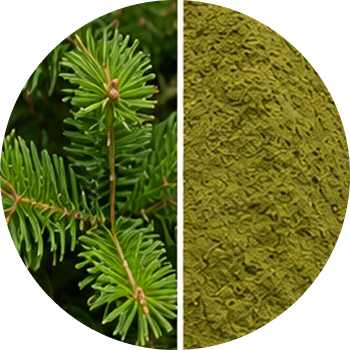
Talispatra cutout
Talispatra
Leaf
Botanical Name Abies webbiana
Common Name Talispatra
Part Used Leaf
Active Components Alkaloids
Standardizations Available >0.5%
Forms Available Dry, Spray Dry, Liquid, Oil, Paste
Herbal Extract Ratio 10:1
Organic icon Organic

Introduction

Talispatra (Abies webbiana) is a botanical valued in traditional and modern herbal practice, included here for its relevance to digestive and gut health. This extract is prepared from the leaf of the plant and is associated with alkaloids as its key constituent.

How It Benefits the Body

In the body, Talispatra is traditionally used to ease digestion, relieve gas and bloating and soothe the stomach, and support the respiratory tract and help clear mucus. This activity is attributed largely to its alkaloids. Used within a balanced regimen, it supports the body's own functions rather than replacing professional medical care.

Industries Served

Talispatra is used across Ayurvedic & herbal medicine, Pharmaceuticals and Food & beverage. It is supplied in dry, spray-dried, liquid, oil and paste forms to suit each formulation.
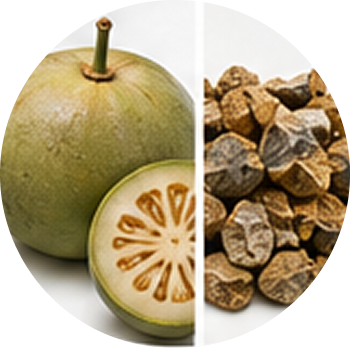
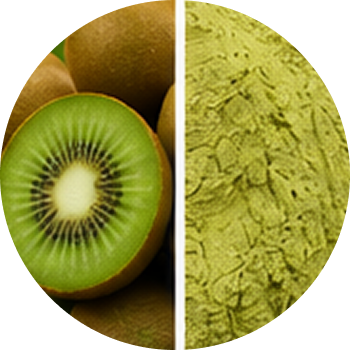
Kiwifruit cutout
Kiwifruit
Fruit
Botanical Name Actinidia deliciosa
Common Name Kiwifruit
Part Used Vegetable
Active Components Vitamin C / Actinidin
Standardizations Available On request
Forms Available Dry, Spray Dry, Liquid, Oil, Paste
Herbal Extract Ratio On request
Organic icon Organic

Introduction

Kiwifruit (Actinidia deliciosa) is a botanical valued in traditional and modern herbal practice, included here for its relevance to digestive and gut health. This extract is prepared from the fruit of the plant and is associated with vitamin c / actinidin as its key constituent.

How It Benefits the Body

In the body, Kiwifruit is traditionally used to ease digestion, relieve gas and bloating and soothe the stomach, and neutralise free radicals and limit oxidative stress on cells. This activity is attributed largely to its vitamin c / actinidin. Used within a balanced regimen, it supports the body's own functions rather than replacing professional medical care.

Industries Served

Kiwifruit is used across Ayurvedic & herbal medicine, Nutraceuticals & dietary supplements, Cosmetics & personal care and Food & beverage. It is supplied in dry, spray-dried, liquid, oil and paste forms to suit each formulation.
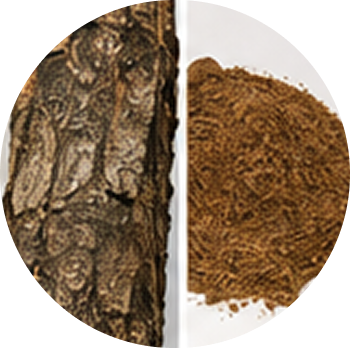
Bael cutout
Bael
Fruit
Botanical Name Aegle marmelos
Common Name Bael
Part Used Vegetable
Active Components Mucilage
Standardizations Available 10-15%
Forms Available Dry, Spray Dry, Liquid, Oil, Paste
Herbal Extract Ratio 10:1
Organic icon Organic

Introduction

Bael (Aegle marmelos) is a botanical valued in traditional and modern herbal practice, included here for its relevance to digestive and gut health. This extract is prepared from the fruit of the plant and is associated with mucilage as its key constituent.

How It Benefits the Body

In the body, Bael is traditionally used to support relief from loose motions and digestive upset. This activity is attributed largely to its mucilage. Used within a balanced regimen, it supports the body's own functions rather than replacing professional medical care.

Industries Served

Bael is used across Ayurvedic & herbal medicine. It is supplied in dry, spray-dried, liquid, oil and paste forms to suit each formulation.

Siris cutout
Siris
Bark
Botanical Name Albizzia lebbeck
Common Name Siris
Part Used Bark
Active Components Tannins
Standardizations Available 15%
Forms Available Dry, Spray Dry, Liquid, Oil, Paste
Herbal Extract Ratio 10:1
Organic icon Organic

Introduction

Siris (Albizzia lebbeck) is a botanical valued in traditional and modern herbal practice, included here for its relevance to digestive and gut health. This extract is prepared from the bark of the plant and is associated with tannins as its key constituent.

How It Benefits the Body

In the body, Siris is traditionally used to promote regular, comfortable bowel movement, and help the body resist microbial and infectious challenges. This activity is attributed largely to its tannins. Used within a balanced regimen, it supports the body's own functions rather than replacing professional medical care.

Industries Served

Siris is used across Ayurvedic & herbal medicine. It is supplied in dry, spray-dried, liquid, oil and paste forms to suit each formulation.

Aloe Vera (Gel) cutout
Aloe Vera
Gel
Botanical Name Aloe barbadensis
Common Name Aloe Vera
Part Used Gel
Active Components Polysaccharides
Standardizations Available 50%
Forms Available Dry, Spray Dry, Liquid, Oil, Paste
Herbal Extract Ratio 200:1
Organic icon Organic

Introduction

Aloe Vera (Aloe barbadensis) is a botanical valued in traditional and modern herbal practice, included here for its relevance to digestive and gut health. This extract is prepared from the gel of the plant and is associated with polysaccharides as its key constituent.

How It Benefits the Body

In the body, Aloe Vera is traditionally used to promote regular, comfortable bowel movement. This activity is attributed largely to its polysaccharides. Used within a balanced regimen, it supports the body's own functions rather than replacing professional medical care.

Industries Served

Aloe Vera is used across Ayurvedic & herbal medicine. It is supplied in dry, spray-dried, liquid, oil and paste forms to suit each formulation.

Aloe vera Extract cutout
Aloe vera Extract
Leaf
Botanical Name Aloe barbadensis
Common Name Aloe vera Extract
Part Used Leaf
Active Components Mucilage
Standardizations Available Customisable
Forms Available Dry, Spray Dry, Liquid, Oil, Paste
Herbal Extract Ratio To marker spec (≈4:1–10:1 native)
Organic icon Organic

Introduction

Aloe vera Extract (Aloe barbadensis) is a botanical valued in traditional and modern herbal practice, included here for its relevance to digestive and gut health. This extract is prepared from the leaf of the plant and is associated with mucilage as its key constituent.

How It Benefits the Body

In the body, Aloe vera Extract is traditionally used to promote regular, comfortable bowel movement, ease joint and muscular discomfort and support bone health, and support healthy skin, hair and a clear complexion. This activity is attributed largely to its mucilage. Used within a balanced regimen, it supports the body's own functions rather than replacing professional medical care.

Industries Served

Aloe vera Extract is used across Ayurvedic & herbal medicine, Pharmaceuticals and Cosmetics & personal care. It is supplied in dry, spray-dried, liquid, oil and paste forms to suit each formulation.

Aloe cutout
Aloe
Leaves / Gel
Botanical Name Aloe vera
Common Name Aloe
Part Used Leaves / Gel
Active Components Aloin
Standardizations Available 1.5%
Forms Available Dry, Spray Dry, Liquid, Oil, Paste
Herbal Extract Ratio 4:1
Organic icon Organic

Introduction

Aloe (Aloe vera) is a botanical valued in traditional and modern herbal practice, included here for its relevance to digestive and gut health. This extract is prepared from the leaves / gel of the plant and is associated with aloin as its key constituent.

How It Benefits the Body

In the body, Aloe is traditionally used to promote regular, comfortable bowel movement, and support healthy skin, hair and a clear complexion. This activity is attributed largely to its aloin. Used within a balanced regimen, it supports the body's own functions rather than replacing professional medical care.

Industries Served

Aloe is used across Ayurvedic & herbal medicine and Cosmetics & personal care. It is supplied in dry, spray-dried, liquid, oil and paste forms to suit each formulation.

Pineapple cutout
Pineapple
Fruit
Botanical Name Ananas comosus
Common Name Pineapple
Part Used Vegetable
Active Components Bromelain
Standardizations Available On request
Forms Available Dry, Spray Dry, Liquid, Oil, Paste
Herbal Extract Ratio On request
Organic icon Organic

Introduction

Pineapple (Ananas comosus) is a botanical valued in traditional and modern herbal practice, included here for its relevance to digestive and gut health. This extract is prepared from the fruit of the plant and is associated with bromelain as its key constituent.

How It Benefits the Body

In the body, Pineapple is traditionally used to ease digestion, relieve gas and bloating and soothe the stomach, and ease joint and muscular discomfort and support bone health. This activity is attributed largely to its bromelain. Used within a balanced regimen, it supports the body's own functions rather than replacing professional medical care.

Industries Served

Pineapple is used across Ayurvedic & herbal medicine, Nutraceuticals & dietary supplements, Pharmaceuticals, Cosmetics & personal care and Food & beverage. It is supplied in dry, spray-dried, liquid, oil and paste forms to suit each formulation.
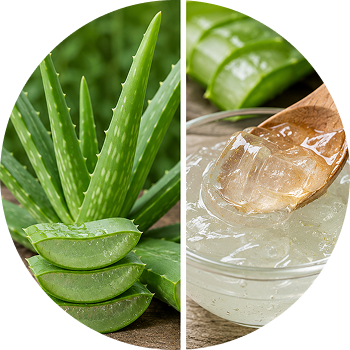
Dill cutout
Dill
Seed
Botanical Name Anethum graveolens
Common Name Dill
Part Used Seed
Active Components Volatile Oil
Standardizations Available 1-3%
Forms Available Dry, Spray Dry, Liquid, Oil, Paste
Herbal Extract Ratio 10:1
Organic icon Organic

Introduction

Dill (Anethum graveolens) is a botanical valued in traditional and modern herbal practice, included here for its relevance to digestive and gut health. This extract is prepared from the seed of the plant and is associated with volatile oil as its key constituent.

How It Benefits the Body

In the body, Dill is traditionally used to ease digestion, relieve gas and bloating and soothe the stomach. This activity is attributed largely to its volatile oil. Used within a balanced regimen, it supports the body's own functions rather than replacing professional medical care.

Industries Served

Dill is used across Ayurvedic & herbal medicine and Food & beverage. It is supplied in dry, spray-dried, liquid, oil and paste forms to suit each formulation.
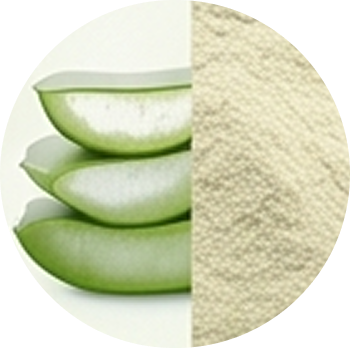
Dill cutout
Dill
Leaf / Seed
Botanical Name Anethum graveolens
Common Name Dill
Part Used Leaf / Seed
Active Components Volatile Oil / Flavonoids
Standardizations Available On request
Forms Available Dry, Spray Dry, Liquid, Oil, Paste
Herbal Extract Ratio On request
Organic icon Organic

Introduction

Dill (Anethum graveolens) is a botanical valued in traditional and modern herbal practice, included here for its relevance to digestive and gut health. This extract is prepared from the leaf / seed of the plant and is associated with volatile oil / flavonoids as its key constituent.

How It Benefits the Body

In the body, Dill is traditionally used to ease digestion, relieve gas and bloating and soothe the stomach, and calm and support the nervous system and mental performance. This activity is attributed largely to its volatile oil / flavonoids. Used within a balanced regimen, it supports the body's own functions rather than replacing professional medical care.

Industries Served

Dill is used across Ayurvedic & herbal medicine, Nutraceuticals & dietary supplements and Food & beverage. It is supplied in dry, spray-dried, liquid, oil and paste forms to suit each formulation.

Antheum (Suwa/Dill) Oil cutout
Antheum (Suwa/Dill) Oil
Seed
Botanical Name Anethum graveolens
Common Name Antheum (Suwa/Dill) Oil
Part Used Seed
Active Components Carvone
Standardizations Available On request
Forms Available Liquid, Dry Powder, PG Base, Paste, Blends
Herbal Extract Ratio On request
Organic icon Organic

Introduction

Antheum (Suwa/Dill) Oil (Anethum graveolens) is a botanical valued in traditional and modern herbal practice, included here for its relevance to digestive and gut health. This oil is obtained from the seed of the plant and is associated with carvone as its key constituent.

How It Benefits the Body

In the body, Antheum (Suwa/Dill) Oil is traditionally used to ease digestion, relieve gas and bloating and soothe the stomach, help the body resist microbial and infectious challenges, and support healthy lactation. This activity is attributed largely to its carvone. Used within a balanced regimen, it supports the body's own functions rather than replacing professional medical care.

Industries Served

Antheum (Suwa/Dill) Oil is used across Ayurvedic & herbal medicine, Nutraceuticals & dietary supplements, Pharmaceuticals, Cosmetics & personal care and Food & beverage. It is supplied in liquid, dry-powder, PG-base, paste and blend forms to suit each formulation.

Celery cutout
Celery
Seed
Botanical Name Apium graveolens
Common Name Celery
Part Used Seed
Active Components Volatile Oil
Standardizations Available 1-5%
Forms Available Dry, Spray Dry, Liquid, Oil, Paste
Herbal Extract Ratio 10:1
Organic icon Organic

Introduction

Celery (Apium graveolens) is a botanical valued in traditional and modern herbal practice, included here for its relevance to digestive and gut health. This extract is prepared from the seed of the plant and is associated with volatile oil as its key constituent.

How It Benefits the Body

In the body, Celery is traditionally used to ease digestion, relieve gas and bloating and soothe the stomach. This activity is attributed largely to its volatile oil. Used within a balanced regimen, it supports the body's own functions rather than replacing professional medical care.

Industries Served

Celery is used across Ayurvedic & herbal medicine and Food & beverage. It is supplied in dry, spray-dried, liquid, oil and paste forms to suit each formulation.

Celery Seed Oil cutout
Celery Seed Oil
Seed
Botanical Name Apium graveolens
Common Name Celery Seed Oil
Part Used Seed
Active Components Limonene / Phthalides
Standardizations Available On request
Forms Available Liquid, Dry Powder, PG Base, Paste, Blends
Herbal Extract Ratio On request
Organic icon Organic

Introduction

Celery Seed Oil (Apium graveolens) is a botanical valued in traditional and modern herbal practice, included here for its relevance to digestive and gut health. This oil is obtained from the seed of the plant and is associated with limonene / phthalides as its key constituent.

How It Benefits the Body

In the body, Celery Seed Oil is traditionally used to ease digestion, relieve gas and bloating and soothe the stomach, promote healthy urine flow and kidney function, and neutralise free radicals and limit oxidative stress on cells. This activity is attributed largely to its limonene / phthalides. Used within a balanced regimen, it supports the body's own functions rather than replacing professional medical care.

Industries Served

Celery Seed Oil is used across Ayurvedic & herbal medicine, Nutraceuticals & dietary supplements, Pharmaceuticals, Cosmetics & personal care and Food & beverage. It is supplied in liquid, dry-powder, PG-base, paste and blend forms to suit each formulation.

Asparagus cutout
Asparagus
Spear / Shoot
Botanical Name Asparagus officinalis
Common Name Asparagus
Part Used Spear / Shoot
Active Components Saponins / Folate
Standardizations Available On request
Forms Available Dry, Spray Dry, Liquid, Oil, Paste
Herbal Extract Ratio On request
Organic icon Organic

Introduction

Asparagus (Asparagus officinalis) is a botanical valued in traditional and modern herbal practice, included here for its relevance to digestive and gut health. This extract is prepared from the spear / shoot of the plant and is associated with saponins / folate as its key constituent.

How It Benefits the Body

In the body, Asparagus is traditionally used to ease digestion, relieve gas and bloating and soothe the stomach, promote healthy urine flow and kidney function, and neutralise free radicals and limit oxidative stress on cells. This activity is attributed largely to its saponins / folate. Used within a balanced regimen, it supports the body's own functions rather than replacing professional medical care.

Industries Served

Asparagus is used across Ayurvedic & herbal medicine, Nutraceuticals & dietary supplements, Cosmetics & personal care and Food & beverage. It is supplied in dry, spray-dried, liquid, oil and paste forms to suit each formulation.
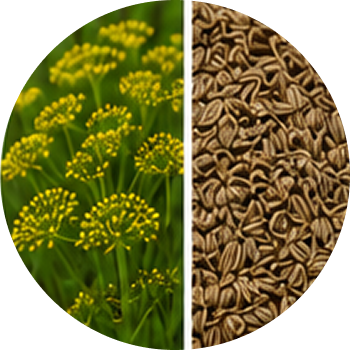
Shallaki Oil cutout
Shallaki Oil
Gum resin
Botanical Name Boswellia serrata
Common Name Shallaki Oil
Part Used Gum resin
Active Components Boswellic Acids
Standardizations Available On request
Forms Available Liquid, Dry Powder, PG Base, Paste, Blends
Herbal Extract Ratio On request
Organic icon Organic

Introduction

Shallaki Oil (Boswellia serrata) is a botanical valued in traditional and modern herbal practice, included here for its relevance to digestive and gut health. This oil is obtained from the gum resin of the plant and is associated with boswellic acids as its key constituent.

How It Benefits the Body

In the body, Shallaki Oil is traditionally used to ease digestion, relieve gas and bloating and soothe the stomach, support the respiratory tract and help clear mucus, and neutralise free radicals and limit oxidative stress on cells. This activity is attributed largely to its boswellic acids. Used within a balanced regimen, it supports the body's own functions rather than replacing professional medical care.

Industries Served

Shallaki Oil is used across Ayurvedic & herbal medicine, Nutraceuticals & dietary supplements, Pharmaceuticals, Cosmetics & personal care and Food & beverage. It is supplied in liquid, dry-powder, PG-base, paste and blend forms to suit each formulation.

Cauliflower cutout
Cauliflower
Floret
Botanical Name Brassica oleracea var. botrytis
Common Name Cauliflower
Part Used Floret
Active Components Glucosinolates / Vitamin C
Standardizations Available On request
Forms Available Dry, Spray Dry, Liquid, Oil, Paste
Herbal Extract Ratio On request
Organic icon Organic

Introduction

Cauliflower (Brassica oleracea var. botrytis) is a botanical valued in traditional and modern herbal practice, included here for its relevance to digestive and gut health. This extract is prepared from the floret of the plant and is associated with glucosinolates / vitamin c as its key constituent.

How It Benefits the Body

In the body, Cauliflower is traditionally used to ease digestion, relieve gas and bloating and soothe the stomach, and neutralise free radicals and limit oxidative stress on cells. This activity is attributed largely to its glucosinolates / vitamin c. Used within a balanced regimen, it supports the body's own functions rather than replacing professional medical care.

Industries Served

Cauliflower is used across Ayurvedic & herbal medicine, Nutraceuticals & dietary supplements, Cosmetics & personal care and Food & beverage. It is supplied in dry, spray-dried, liquid, oil and paste forms to suit each formulation.
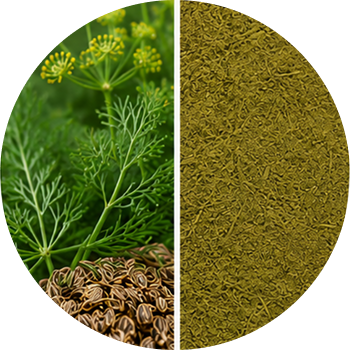
Cabbage cutout
Cabbage
Leaf
Botanical Name Brassica oleracea var. capitata
Common Name Cabbage
Part Used Leaf
Active Components Glucosinolates / Vitamin C
Standardizations Available On request
Forms Available Dry, Spray Dry, Liquid, Oil, Paste
Herbal Extract Ratio On request
Organic icon Organic

Introduction

Cabbage (Brassica oleracea var. capitata) is a botanical valued in traditional and modern herbal practice, included here for its relevance to digestive and gut health. This extract is prepared from the leaf of the plant and is associated with glucosinolates / vitamin c as its key constituent.

How It Benefits the Body

In the body, Cabbage is traditionally used to ease digestion, relieve gas and bloating and soothe the stomach, and neutralise free radicals and limit oxidative stress on cells. This activity is attributed largely to its glucosinolates / vitamin c. Used within a balanced regimen, it supports the body's own functions rather than replacing professional medical care.

Industries Served

Cabbage is used across Ayurvedic & herbal medicine, Nutraceuticals & dietary supplements, Cosmetics & personal care and Food & beverage. It is supplied in dry, spray-dried, liquid, oil and paste forms to suit each formulation.
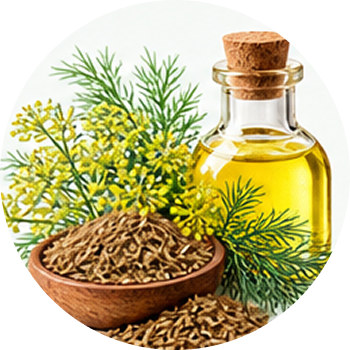
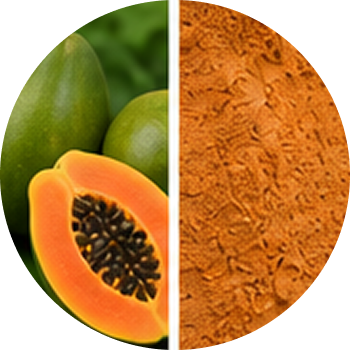
Papaya cutout
Papaya
Leaf / Fruit
Botanical Name Carica papaya
Common Name Papaya
Part Used Leaf / Fruit
Active Components Glycosides
Standardizations Available On request
Forms Available Dry, Spray Dry, Liquid, Oil, Paste
Herbal Extract Ratio 10:1
Organic icon Organic

Introduction

Papaya (Carica papaya) is a botanical valued in traditional and modern herbal practice, included here for its relevance to digestive and gut health. This extract is prepared from the leaf / fruit of the plant and is associated with glycosides as its key constituent.

How It Benefits the Body

In the body, Papaya is traditionally used to ease digestion, relieve gas and bloating and soothe the stomach, promote healthy urine flow and kidney function, and neutralise free radicals and limit oxidative stress on cells. This activity is attributed largely to its glycosides. Used within a balanced regimen, it supports the body's own functions rather than replacing professional medical care.

Industries Served

Papaya is used across Ayurvedic & herbal medicine, Nutraceuticals & dietary supplements, Cosmetics & personal care and Food & beverage. It is supplied in dry, spray-dried, liquid, oil and paste forms to suit each formulation.
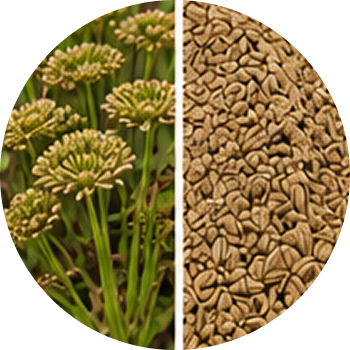
Papaya cutout
Papaya
Fruit
Botanical Name Carica papaya
Common Name Papaya
Part Used Vegetable
Active Components Papain
Standardizations Available On request
Forms Available Dry, Spray Dry, Liquid, Oil, Paste
Herbal Extract Ratio On request
Organic icon Organic

Introduction

Papaya (Carica papaya) is a botanical valued in traditional and modern herbal practice, included here for its relevance to digestive and gut health. This extract is prepared from the fruit of the plant and is associated with papain as its key constituent.

How It Benefits the Body

In the body, Papaya is traditionally used to ease digestion, relieve gas and bloating and soothe the stomach, neutralise free radicals and limit oxidative stress on cells, and support healthy skin, hair and a clear complexion. This activity is attributed largely to its papain. Used within a balanced regimen, it supports the body's own functions rather than replacing professional medical care.

Industries Served

Papaya is used across Ayurvedic & herbal medicine, Nutraceuticals & dietary supplements, Cosmetics & personal care and Food & beverage. It is supplied in dry, spray-dried, liquid, oil and paste forms to suit each formulation.
Chaksu cutout
Chaksu
Roots
Botanical Name Cassia absus
Common Name Chaksu
Part Used Roots
Active Components Phytoconstituents
Standardizations Available On request
Forms Available Dry, Spray Dry, Liquid, Oil, Paste
Herbal Extract Ratio 5:1
Organic icon Organic

Introduction

Chaksu (Cassia absus) is a botanical valued in traditional and modern herbal practice, included here for its relevance to digestive and gut health. This extract is prepared from the roots of the plant and is associated with phytoconstituents as its key constituent.

How It Benefits the Body

In the body, Chaksu is traditionally used to support relief from loose motions and digestive upset. This activity is attributed largely to its phytoconstituents. Used within a balanced regimen, it supports the body's own functions rather than replacing professional medical care.

Industries Served

Chaksu is used across Ayurvedic & herbal medicine. It is supplied in dry, spray-dried, liquid, oil and paste forms to suit each formulation.

Senna cutout
Senna
Leaf
Botanical Name Cassia angustifolia
Common Name Senna
Part Used Leaf
Active Components Sennosides
Standardizations Available Customisable
Forms Available Dry, Spray Dry, Liquid, Oil, Paste
Herbal Extract Ratio 10:1
Organic icon Organic

Introduction

Senna (Cassia angustifolia) is a botanical valued in traditional and modern herbal practice, included here for its relevance to digestive and gut health. This extract is prepared from the leaf of the plant and is associated with sennosides as its key constituent.

How It Benefits the Body

In the body, Senna is traditionally used to promote regular, comfortable bowel movement, and support healthy skin, hair and a clear complexion. This activity is attributed largely to its sennosides. Used within a balanced regimen, it supports the body's own functions rather than replacing professional medical care.

Industries Served

Senna is used across Ayurvedic & herbal medicine, Pharmaceuticals and Cosmetics & personal care. It is supplied in dry, spray-dried, liquid, oil and paste forms to suit each formulation.

Senna cutout
Senna
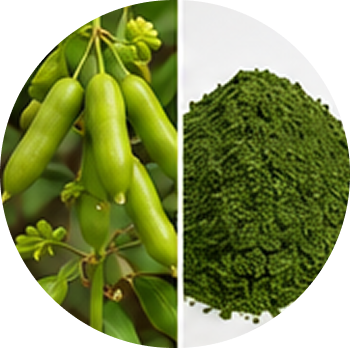
Pods
Botanical Name Cassia angustifolia
Common Name Senna
Part Used Pods
Active Components Sennosides
Standardizations Available 2.5%
Forms Available Dry, Spray Dry, Liquid, Oil, Paste
Herbal Extract Ratio 10:1
Organic icon Organic

Introduction

Senna (Cassia angustifolia) is a botanical valued in traditional and modern herbal practice, included here for its relevance to digestive and gut health. This extract is prepared from the pods of the plant and is associated with sennosides as its key constituent.

How It Benefits the Body

In the body, Senna is traditionally used to promote regular, comfortable bowel movement. This activity is attributed largely to its sennosides. Used within a balanced regimen, it supports the body's own functions rather than replacing professional medical care.

Industries Served

Senna is used across Ayurvedic & herbal medicine and Pharmaceuticals. It is supplied in dry, spray-dried, liquid, oil and paste forms to suit each formulation.

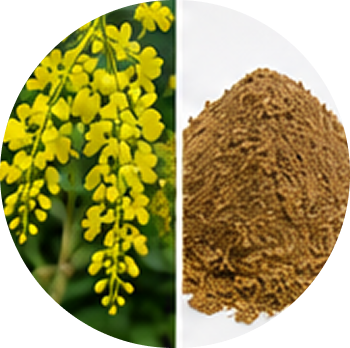
Amaltas cutout
Amaltas
Fruit
Botanical Name Cassia fistula
Common Name Amaltas
Part Used Vegetable
Active Components Bitters
Standardizations Available On request
Forms Available Dry, Spray Dry, Liquid, Oil, Paste
Herbal Extract Ratio 10:1
Organic icon Organic

Introduction

Amaltas (Cassia fistula) is a botanical valued in traditional and modern herbal practice, included here for its relevance to digestive and gut health. This extract is prepared from the fruit of the plant and is associated with bitters as its key constituent.

How It Benefits the Body

In the body, Amaltas is traditionally used to promote regular, comfortable bowel movement. This activity is attributed largely to its bitters. Used within a balanced regimen, it supports the body's own functions rather than replacing professional medical care.

Industries Served

Amaltas is used across Ayurvedic & herbal medicine and Pharmaceuticals. It is supplied in dry, spray-dried, liquid, oil and paste forms to suit each formulation.

Kasondi cutout
Kasondi
Fruit
Botanical Name Cassia occidentalis
Common Name Kasondi
Part Used Vegetable
Active Components Alkaloids
Standardizations Available On request
Forms Available Dry, Spray Dry, Liquid, Oil, Paste
Herbal Extract Ratio 10:1
Organic icon Organic

Introduction

Kasondi (Cassia occidentalis) is a botanical valued in traditional and modern herbal practice, included here for its relevance to digestive and gut health. This extract is prepared from the fruit of the plant and is associated with alkaloids as its key constituent.

How It Benefits the Body

In the body, Kasondi is traditionally used to promote regular, comfortable bowel movement. This activity is attributed largely to its alkaloids. Used within a balanced regimen, it supports the body's own functions rather than replacing professional medical care.

Industries Served

Kasondi is used across Ayurvedic & herbal medicine. It is supplied in dry, spray-dried, liquid, oil and paste forms to suit each formulation.

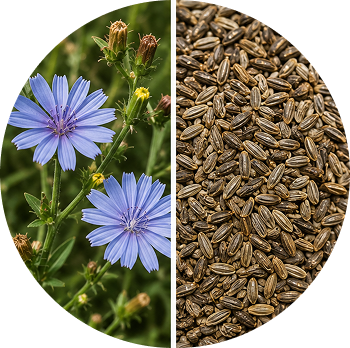
Chicory cutout
Chicory
Seed
Botanical Name Cichorium intybus
Common Name Chicory
Part Used Seed
Active Components Bitters
Standardizations Available 1%
Forms Available Dry, Spray Dry, Liquid, Oil, Paste
Herbal Extract Ratio 10:1
Organic icon Organic

Introduction

Chicory (Cichorium intybus) is a botanical valued in traditional and modern herbal practice, included here for its relevance to digestive and gut health. This extract is prepared from the seed of the plant and is associated with bitters as its key constituent.

How It Benefits the Body

In the body, Chicory is traditionally used to act as a restorative that supports overall strength and vitality. This activity is attributed largely to its bitters. Used within a balanced regimen, it supports the body's own functions rather than replacing professional medical care.

Industries Served

Chicory is used across Ayurvedic & herbal medicine, Nutraceuticals & dietary supplements and Food & beverage. It is supplied in dry, spray-dried, liquid, oil and paste forms to suit each formulation.

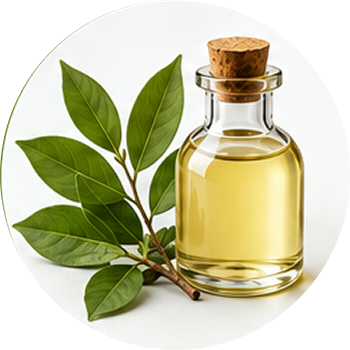
Cinnamon Leaf Oil cutout
Cinnamon Leaf Oil
Leaf
Botanical Name Cinnamomum verum
Common Name Cinnamon Leaf Oil
Part Used Leaf
Active Components Eugenol
Standardizations Available On request
Forms Available Liquid, Dry Powder, PG Base, Paste, Blends
Herbal Extract Ratio On request
Organic icon Organic

Introduction

Cinnamon Leaf Oil (Cinnamomum verum) is a botanical valued in traditional and modern herbal practice, included here for its relevance to digestive and gut health. This oil is obtained from the leaf of the plant and is associated with eugenol as its key constituent.

How It Benefits the Body

In the body, Cinnamon Leaf Oil is traditionally used to ease digestion, relieve gas and bloating and soothe the stomach, support healthy blood-sugar balance, and neutralise free radicals and limit oxidative stress on cells. This activity is attributed largely to its eugenol. Used within a balanced regimen, it supports the body's own functions rather than replacing professional medical care.

Industries Served

Cinnamon Leaf Oil is used across Ayurvedic & herbal medicine, Nutraceuticals & dietary supplements, Pharmaceuticals, Cosmetics & personal care and Food & beverage. It is supplied in liquid, dry-powder, PG-base, paste and blend forms to suit each formulation.

Indrayan cutout
Indrayan
Fruit
Botanical Name Citrullus colocynthis
Common Name Indrayan
Part Used Vegetable
Active Components Bitters
Standardizations Available 1-5%
Forms Available Dry, Spray Dry, Liquid, Oil, Paste
Herbal Extract Ratio 1:1
Organic icon Organic

Introduction

Indrayan (Citrullus colocynthis) is a botanical valued in traditional and modern herbal practice, included here for its relevance to digestive and gut health. This extract is prepared from the fruit of the plant and is associated with bitters as its key constituent.

How It Benefits the Body

In the body, Indrayan is traditionally used to promote regular, comfortable bowel movement. This activity is attributed largely to its bitters. Used within a balanced regimen, it supports the body's own functions rather than replacing professional medical care.

Industries Served

Indrayan is used across Ayurvedic & herbal medicine. It is supplied in dry, spray-dried, liquid, oil and paste forms to suit each formulation.

Indrayan cutout
Indrayan
Root
Botanical Name Citrullus colocynthis
Common Name Indrayan
Part Used Root
Active Components Bitters
Standardizations Available 1-10%
Forms Available Dry, Spray Dry, Liquid, Oil, Paste
Herbal Extract Ratio 10:1
Organic icon Organic

Introduction

Indrayan (Citrullus colocynthis) is a botanical valued in traditional and modern herbal practice, included here for its relevance to digestive and gut health. This extract is prepared from the root of the plant and is associated with bitters as its key constituent.

How It Benefits the Body

In the body, Indrayan is traditionally used to promote regular, comfortable bowel movement, and ease joint and muscular discomfort and support bone health. This activity is attributed largely to its bitters. Used within a balanced regimen, it supports the body's own functions rather than replacing professional medical care.

Industries Served

Indrayan is used across Ayurvedic & herbal medicine. It is supplied in dry, spray-dried, liquid, oil and paste forms to suit each formulation.

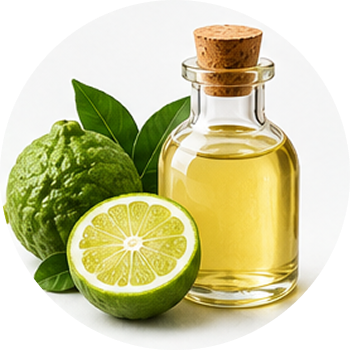
Bergamot Oil cutout
Bergamot Oil
Peel
Botanical Name Citrus bergamia
Common Name Bergamot Oil
Part Used Peel
Active Components Limonene / Linalyl Acetate
Standardizations Available On request
Forms Available Liquid, Dry Powder, PG Base, Paste, Blends
Herbal Extract Ratio On request
Organic icon Organic

Introduction

Bergamot Oil (Citrus bergamia) is a botanical valued in traditional and modern herbal practice, included here for its relevance to digestive and gut health. This oil is obtained from the peel of the plant and is associated with limonene / linalyl acetate as its key constituent.

How It Benefits the Body

In the body, Bergamot Oil is traditionally used to ease digestion, relieve gas and bloating and soothe the stomach, neutralise free radicals and limit oxidative stress on cells, and help the body resist microbial and infectious challenges. This activity is attributed largely to its limonene / linalyl acetate. Used within a balanced regimen, it supports the body's own functions rather than replacing professional medical care.

Industries Served

Bergamot Oil is used across Ayurvedic & herbal medicine, Nutraceuticals & dietary supplements, Pharmaceuticals, Cosmetics & personal care and Food & beverage. It is supplied in liquid, dry-powder, PG-base, paste and blend forms to suit each formulation.

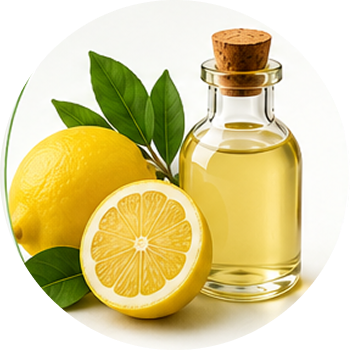
Lemon Oil cutout
Lemon Oil
Peel
Botanical Name Citrus limon
Common Name Lemon Oil
Part Used Peel
Active Components Limonene
Standardizations Available On request
Forms Available Liquid, Dry Powder, PG Base, Paste, Blends
Herbal Extract Ratio On request
Organic icon Organic

Introduction

Lemon Oil (Citrus limon) is a botanical valued in traditional and modern herbal practice, included here for its relevance to digestive and gut health. This oil is obtained from the peel of the plant and is associated with limonene as its key constituent.

How It Benefits the Body

In the body, Lemon Oil is traditionally used to ease digestion, relieve gas and bloating and soothe the stomach, support and help protect the liver, and support the body's natural detoxification and blood-cleansing. This activity is attributed largely to its limonene. Used within a balanced regimen, it supports the body's own functions rather than replacing professional medical care.

Industries Served

Lemon Oil is used across Ayurvedic & herbal medicine, Nutraceuticals & dietary supplements, Pharmaceuticals, Cosmetics & personal care and Food & beverage. It is supplied in liquid, dry-powder, PG-base, paste and blend forms to suit each formulation.

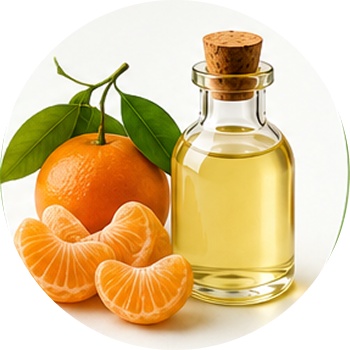
Mandarin Oil cutout
Mandarin Oil
Peel
Botanical Name Citrus reticulata
Common Name Mandarin Oil
Part Used Peel
Active Components Limonene
Standardizations Available On request
Forms Available Liquid, Dry Powder, PG Base, Paste, Blends
Herbal Extract Ratio On request
Organic icon Organic

Introduction

Mandarin Oil (Citrus reticulata) is a botanical valued in traditional and modern herbal practice, included here for its relevance to digestive and gut health. This oil is obtained from the peel of the plant and is associated with limonene as its key constituent.

How It Benefits the Body

In the body, Mandarin Oil is traditionally used to ease digestion, relieve gas and bloating and soothe the stomach, help the body resist microbial and infectious challenges, and calm and support the nervous system and mental performance. This activity is attributed largely to its limonene. Used within a balanced regimen, it supports the body's own functions rather than replacing professional medical care.

Industries Served

Mandarin Oil is used across Ayurvedic & herbal medicine, Nutraceuticals & dietary supplements, Pharmaceuticals, Cosmetics & personal care and Food & beverage. It is supplied in liquid, dry-powder, PG-base, paste and blend forms to suit each formulation.

Coriander cutout
Coriander
Seeds
Botanical Name Coriandrum sativum
Common Name Coriander
Part Used Seeds
Active Components Volatile Matters
Standardizations Available 1%
Forms Available Dry, Spray Dry, Liquid, Oil, Paste
Herbal Extract Ratio 10:1
Organic icon Organic

Introduction

Coriander (Coriandrum sativum) is a botanical valued in traditional and modern herbal practice, included here for its relevance to digestive and gut health. This extract is prepared from the seeds of the plant and is associated with volatile matters as its key constituent.

How It Benefits the Body

In the body, Coriander is traditionally used to ease digestion, relieve gas and bloating and soothe the stomach. This activity is attributed largely to its volatile matters. Used within a balanced regimen, it supports the body's own functions rather than replacing professional medical care.

Industries Served

Coriander is used across Ayurvedic & herbal medicine and Food & beverage. It is supplied in dry, spray-dried, liquid, oil and paste forms to suit each formulation.

Coriander cutout
Coriander
Leaf / Seed
Botanical Name Coriandrum sativum
Common Name Coriander
Part Used Leaf / Seed
Active Components Volatile Oil / Vitamin C
Standardizations Available On request
Forms Available Dry, Spray Dry, Liquid, Oil, Paste
Herbal Extract Ratio On request
Organic icon Organic

Introduction

Coriander (Coriandrum sativum) is a botanical valued in traditional and modern herbal practice, included here for its relevance to digestive and gut health. This extract is prepared from the leaf / seed of the plant and is associated with volatile oil / vitamin c as its key constituent.

How It Benefits the Body

In the body, Coriander is traditionally used to ease digestion, relieve gas and bloating and soothe the stomach, and neutralise free radicals and limit oxidative stress on cells. This activity is attributed largely to its volatile oil / vitamin c. Used within a balanced regimen, it supports the body's own functions rather than replacing professional medical care.

Industries Served

Coriander is used across Ayurvedic & herbal medicine, Nutraceuticals & dietary supplements, Cosmetics & personal care and Food & beverage. It is supplied in dry, spray-dried, liquid, oil and paste forms to suit each formulation.

Coriander Seed Oil cutout
Coriander Seed Oil
Seed
Botanical Name Coriandrum sativum
Common Name Coriander Seed Oil
Part Used Seed
Active Components Linalool
Standardizations Available On request
Forms Available Liquid, Dry Powder, PG Base, Paste, Blends
Herbal Extract Ratio On request
Organic icon Organic

Introduction

Coriander Seed Oil (Coriandrum sativum) is a botanical valued in traditional and modern herbal practice, included here for its relevance to digestive and gut health. This oil is obtained from the seed of the plant and is associated with linalool as its key constituent.

How It Benefits the Body

In the body, Coriander Seed Oil is traditionally used to ease digestion, relieve gas and bloating and soothe the stomach, support healthy blood-sugar balance, and neutralise free radicals and limit oxidative stress on cells. This activity is attributed largely to its linalool. Used within a balanced regimen, it supports the body's own functions rather than replacing professional medical care.

Industries Served

Coriander Seed Oil is used across Ayurvedic & herbal medicine, Nutraceuticals & dietary supplements, Pharmaceuticals, Cosmetics & personal care and Food & beverage. It is supplied in liquid, dry-powder, PG-base, paste and blend forms to suit each formulation.

Cumin cutout
Cumin
Seed
Botanical Name Cuminum cyminum
Common Name Cumin
Part Used Seed
Active Components Volatile Oil
Standardizations Available 1%
Forms Available Dry, Spray Dry, Liquid, Oil, Paste
Herbal Extract Ratio 10:1
Organic icon Organic

Introduction

Cumin (Cuminum cyminum) is a botanical valued in traditional and modern herbal practice, included here for its relevance to digestive and gut health. This extract is prepared from the seed of the plant and is associated with volatile oil as its key constituent.

How It Benefits the Body

In the body, Cumin is traditionally used to ease digestion, relieve gas and bloating and soothe the stomach. This activity is attributed largely to its volatile oil. Used within a balanced regimen, it supports the body's own functions rather than replacing professional medical care.

Industries Served

Cumin is used across Ayurvedic & herbal medicine and Food & beverage. It is supplied in dry, spray-dried, liquid, oil and paste forms to suit each formulation.

Mango Ginger cutout
Mango Ginger
Rhizome
Botanical Name Curcuma amada
Common Name Mango Ginger
Part Used Rhizome
Active Components Volatile Oil
Standardizations Available 1%
Forms Available Dry, Spray Dry, Liquid, Oil, Paste
Herbal Extract Ratio 10:1
Organic icon Organic

Introduction

Mango Ginger (Curcuma amada) is a botanical valued in traditional and modern herbal practice, included here for its relevance to digestive and gut health. This extract is prepared from the rhizome of the plant and is associated with volatile oil as its key constituent.

How It Benefits the Body

In the body, Mango Ginger is traditionally used to ease digestion, relieve gas and bloating and soothe the stomach. This activity is attributed largely to its volatile oil. Used within a balanced regimen, it supports the body's own functions rather than replacing professional medical care.

Industries Served

Mango Ginger is used across Ayurvedic & herbal medicine and Food & beverage. It is supplied in dry, spray-dried, liquid, oil and paste forms to suit each formulation.

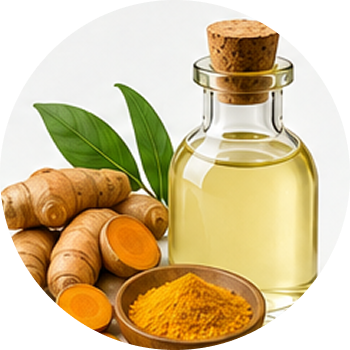
Haldi (Turmeric) Oil cutout
Haldi (Turmeric) Oil
Rhizome
Botanical Name Curcuma longa
Common Name Haldi (Turmeric) Oil
Part Used Rhizome
Active Components Turmerone / Curcuminoids
Standardizations Available On request
Forms Available Liquid, Dry Powder, PG Base, Paste, Blends
Herbal Extract Ratio On request
Organic icon Organic

Introduction

Haldi (Turmeric) Oil (Curcuma longa) is a botanical valued in traditional and modern herbal practice, included here for its relevance to digestive and gut health. This oil is obtained from the rhizome of the plant and is associated with turmerone / curcuminoids as its key constituent.

How It Benefits the Body

In the body, Haldi (Turmeric) Oil is traditionally used to ease digestion, relieve gas and bloating and soothe the stomach, support and help protect the liver, and neutralise free radicals and limit oxidative stress on cells. This activity is attributed largely to its turmerone / curcuminoids. Used within a balanced regimen, it supports the body's own functions rather than replacing professional medical care.

Industries Served

Haldi (Turmeric) Oil is used across Ayurvedic & herbal medicine, Nutraceuticals & dietary supplements, Pharmaceuticals, Cosmetics & personal care and Food & beverage. It is supplied in liquid, dry-powder, PG-base, paste and blend forms to suit each formulation.

Lemon Grass cutout
Lemon Grass
Leaf
Botanical Name Cymbopogon citratus
Common Name Lemon Grass
Part Used Leaf
Active Components Citral / Volatile Oil
Standardizations Available On request
Forms Available Dry, Spray Dry, Liquid, Oil, Paste
Herbal Extract Ratio On request
Organic icon Organic

Introduction

Lemon Grass (Cymbopogon citratus) is a botanical valued in traditional and modern herbal practice, included here for its relevance to digestive and gut health. This extract is prepared from the leaf of the plant and is associated with citral / volatile oil as its key constituent.

How It Benefits the Body

In the body, Lemon Grass is traditionally used to ease digestion, relieve gas and bloating and soothe the stomach, help the body resist microbial and infectious challenges, and calm and support the nervous system and mental performance. This activity is attributed largely to its citral / volatile oil. Used within a balanced regimen, it supports the body's own functions rather than replacing professional medical care.

Industries Served

Lemon Grass is used across Ayurvedic & herbal medicine, Nutraceuticals & dietary supplements, Pharmaceuticals, Cosmetics & personal care and Food & beverage. It is supplied in dry, spray-dried, liquid, oil and paste forms to suit each formulation.

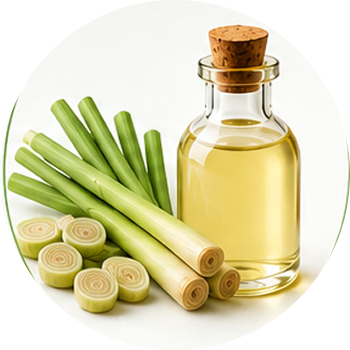
Lemongrass Oil cutout
Lemongrass Oil
Leaf
Botanical Name Cymbopogon citratus
Common Name Lemongrass Oil
Part Used Leaf
Active Components Citral
Standardizations Available On request
Forms Available Liquid, Dry Powder, PG Base, Paste, Blends
Herbal Extract Ratio On request
Organic icon Organic

Introduction

Lemongrass Oil (Cymbopogon citratus) is a botanical valued in traditional and modern herbal practice, included here for its relevance to digestive and gut health. This oil is obtained from the leaf of the plant and is associated with citral as its key constituent.

How It Benefits the Body

In the body, Lemongrass Oil is traditionally used to ease digestion, relieve gas and bloating and soothe the stomach, promote healthy urine flow and kidney function, and neutralise free radicals and limit oxidative stress on cells. This activity is attributed largely to its citral. Used within a balanced regimen, it supports the body's own functions rather than replacing professional medical care.

Industries Served

Lemongrass Oil is used across Ayurvedic & herbal medicine, Nutraceuticals & dietary supplements, Pharmaceuticals, Cosmetics & personal care and Food & beverage. It is supplied in liquid, dry-powder, PG-base, paste and blend forms to suit each formulation.

Nagarmotha cutout
Nagarmotha
Root
Botanical Name Cyperus rotundus
Common Name Nagarmotha
Part Used Root
Active Components Volatile Oil
Standardizations Available 1%
Forms Available Dry, Spray Dry, Liquid, Oil, Paste
Herbal Extract Ratio 10:1
Organic icon Organic

Introduction

Nagarmotha (Cyperus rotundus) is a botanical valued in traditional and modern herbal practice, included here for its relevance to digestive and gut health. This extract is prepared from the root of the plant and is associated with volatile oil as its key constituent.

How It Benefits the Body

In the body, Nagarmotha is traditionally used to ease digestion, relieve gas and bloating and soothe the stomach. This activity is attributed largely to its volatile oil. Used within a balanced regimen, it supports the body's own functions rather than replacing professional medical care.

Industries Served

Nagarmotha is used across Ayurvedic & herbal medicine. It is supplied in dry, spray-dried, liquid, oil and paste forms to suit each formulation.

D.G.L. cutout
D.G.L.
Root
Botanical Name DGL Licorice
Common Name D.G.L.
Part Used Root
Active Components Flavones
Standardizations Available >1%
Forms Available Dry, Spray Dry, Liquid, Oil, Paste
Herbal Extract Ratio 10:1
Organic icon Organic

Introduction

D.G.L. (DGL Licorice) is a botanical valued in traditional and modern herbal practice, included here for its relevance to digestive and gut health. This extract is prepared from the root of the plant and is associated with flavones as its key constituent.

How It Benefits the Body

In the body, D.G.L. is traditionally used to ease digestion, relieve gas and bloating and soothe the stomach. This activity is attributed largely to its flavones. Used within a balanced regimen, it supports the body's own functions rather than replacing professional medical care.

Industries Served

D.G.L. is used across Ayurvedic & herbal medicine and Pharmaceuticals. It is supplied in dry, spray-dried, liquid, oil and paste forms to suit each formulation.

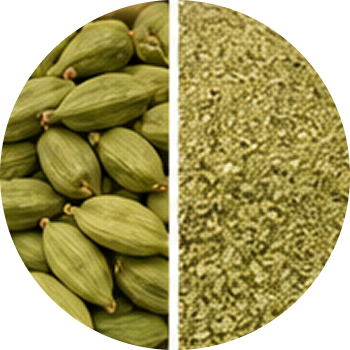
Elaichi cutout
Elaichi
Fruit
Botanical Name Elettaria cardamomum
Common Name Elaichi
Part Used Vegetable
Active Components Volatile Oil
Standardizations Available Customisable
Forms Available Dry, Spray Dry, Liquid, Oil, Paste
Herbal Extract Ratio 4:1
Organic icon Organic

Introduction

Elaichi (Elettaria cardamomum) is a botanical valued in traditional and modern herbal practice, included here for its relevance to digestive and gut health. This extract is prepared from the fruit of the plant and is associated with volatile oil as its key constituent.

How It Benefits the Body

In the body, Elaichi is traditionally used to ease digestion, relieve gas and bloating and soothe the stomach, and help the body resist microbial and infectious challenges. This activity is attributed largely to its volatile oil. Used within a balanced regimen, it supports the body's own functions rather than replacing professional medical care.

Industries Served

Elaichi is used across Ayurvedic & herbal medicine, Nutraceuticals & dietary supplements and Food & beverage. It is supplied in dry, spray-dried, liquid, oil and paste forms to suit each formulation.

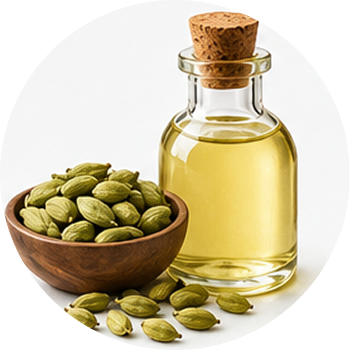
Cardamom Oil cutout
Cardamom Oil
Seed
Botanical Name Elettaria cardamomum
Common Name Cardamom Oil
Part Used Seed
Active Components Cineole / Terpinyl Acetate
Standardizations Available On request
Forms Available Liquid, Dry Powder, PG Base, Paste, Blends
Herbal Extract Ratio On request
Organic icon Organic

Introduction

Cardamom Oil (Elettaria cardamomum) is a botanical valued in traditional and modern herbal practice, included here for its relevance to digestive and gut health. This oil is obtained from the seed of the plant and is associated with cineole / terpinyl acetate as its key constituent.

How It Benefits the Body

In the body, Cardamom Oil is traditionally used to ease digestion, relieve gas and bloating and soothe the stomach, support the respiratory tract and help clear mucus, and help the body resist microbial and infectious challenges. This activity is attributed largely to its cineole / terpinyl acetate. Used within a balanced regimen, it supports the body's own functions rather than replacing professional medical care.

Industries Served

Cardamom Oil is used across Ayurvedic & herbal medicine, Nutraceuticals & dietary supplements, Pharmaceuticals, Cosmetics & personal care and Food & beverage. It is supplied in liquid, dry-powder, PG-base, paste and blend forms to suit each formulation.

Mamejava cutout
Mamejava
Herb
Botanical Name Enicostemma littorale
Common Name Mamejava
Part Used Herb
Active Components Bitters
Standardizations Available 1-4%
Forms Available Dry, Spray Dry, Liquid, Oil, Paste
Herbal Extract Ratio 10:1
Organic icon Organic

Introduction

Mamejava (Enicostemma littorale) is a botanical valued in traditional and modern herbal practice, included here for its relevance to digestive and gut health. This extract is prepared from the herb of the plant and is associated with bitters as its key constituent.

How It Benefits the Body

In the body, Mamejava is traditionally used to promote regular, comfortable bowel movement, and act as a restorative that supports overall strength and vitality. This activity is attributed largely to its bitters. Used within a balanced regimen, it supports the body's own functions rather than replacing professional medical care.

Industries Served

Mamejava is used across Ayurvedic & herbal medicine, Nutraceuticals & dietary supplements, Pharmaceuticals and Food & beverage. It is supplied in dry, spray-dried, liquid, oil and paste forms to suit each formulation.

Clove Bud Oil cutout
Clove Bud Oil
Flower bud
Botanical Name Eugenia caryophyllata
Common Name Clove Bud Oil
Part Used Flower bud
Active Components Eugenol
Standardizations Available On request
Forms Available Liquid, Dry Powder, PG Base, Paste, Blends
Herbal Extract Ratio On request
Organic icon Organic

Introduction

Clove Bud Oil (Eugenia caryophyllata) is a botanical valued in traditional and modern herbal practice, included here for its relevance to digestive and gut health. This oil is obtained from the flower bud of the plant and is associated with eugenol as its key constituent.

How It Benefits the Body

In the body, Clove Bud Oil is traditionally used to ease digestion, relieve gas and bloating and soothe the stomach, neutralise free radicals and limit oxidative stress on cells, and help the body resist microbial and infectious challenges. This activity is attributed largely to its eugenol. Used within a balanced regimen, it supports the body's own functions rather than replacing professional medical care.

Industries Served

Clove Bud Oil is used across Ayurvedic & herbal medicine, Nutraceuticals & dietary supplements, Pharmaceuticals, Cosmetics & personal care and Food & beverage. It is supplied in liquid, dry-powder, PG-base, paste and blend forms to suit each formulation.

Hing cutout
Hing
Gum Resin
Botanical Name Ferula asafoetida
Common Name Hing
Part Used Gum Resin
Active Components Volatile Oil
Standardizations Available 1.5%
Forms Available Dry, Spray Dry, Liquid, Oil, Paste
Herbal Extract Ratio 4:1
Organic icon Organic

Introduction

Hing (Ferula asafoetida) is a botanical valued in traditional and modern herbal practice, included here for its relevance to digestive and gut health. This extract is prepared from the gum resin of the plant and is associated with volatile oil as its key constituent.

How It Benefits the Body

In the body, Hing is traditionally used to ease digestion, relieve gas and bloating and soothe the stomach. This activity is attributed largely to its volatile oil. Used within a balanced regimen, it supports the body's own functions rather than replacing professional medical care.

Industries Served

Hing is used across Ayurvedic & herbal medicine and Food & beverage. It is supplied in dry, spray-dried, liquid, oil and paste forms to suit each formulation.

Hing Oil cutout
Hing Oil
Gum resin
Botanical Name Ferula asafoetida
Common Name Hing Oil
Part Used Gum resin
Active Components Sulphur Volatiles
Standardizations Available On request
Forms Available Liquid, Dry Powder, PG Base, Paste, Blends
Herbal Extract Ratio On request
Organic icon Organic

Introduction

Hing Oil (Ferula asafoetida) is a botanical valued in traditional and modern herbal practice, included here for its relevance to digestive and gut health. This oil is obtained from the gum resin of the plant and is associated with sulphur volatiles as its key constituent.

How It Benefits the Body

In the body, Hing Oil is traditionally used to ease digestion, relieve gas and bloating and soothe the stomach, support the respiratory tract and help clear mucus, and help the body resist microbial and infectious challenges. This activity is attributed largely to its sulphur volatiles. Used within a balanced regimen, it supports the body's own functions rather than replacing professional medical care.

Industries Served

Hing Oil is used across Ayurvedic & herbal medicine, Nutraceuticals & dietary supplements, Pharmaceuticals, Cosmetics & personal care and Food & beverage. It is supplied in liquid, dry-powder, PG-base, paste and blend forms to suit each formulation.

Banyan cutout
Banyan
Leaves / Bark
Botanical Name Ficus bengalensis
Common Name Banyan
Part Used Leaves / Bark
Active Components Tannins
Standardizations Available 5-20%
Forms Available Dry, Spray Dry, Liquid, Oil, Paste
Herbal Extract Ratio 10:1
Organic icon Organic

Introduction

Banyan (Ficus bengalensis) is a botanical valued in traditional and modern herbal practice, included here for its relevance to digestive and gut health. This extract is prepared from the leaves / bark of the plant and is associated with tannins as its key constituent.

How It Benefits the Body

In the body, Banyan is traditionally used to ease digestion, relieve gas and bloating and soothe the stomach. This activity is attributed largely to its tannins. Used within a balanced regimen, it supports the body's own functions rather than replacing professional medical care.

Industries Served

Banyan is used across Ayurvedic & herbal medicine and Pharmaceuticals. It is supplied in dry, spray-dried, liquid, oil and paste forms to suit each formulation.

Anjir cutout
Anjir
Fruit
Botanical Name Ficus carica
Common Name Anjir
Part Used Vegetable
Active Components Invert Sugars
Standardizations Available 10-50%
Forms Available Dry, Spray Dry, Liquid, Oil, Paste
Herbal Extract Ratio 10:1
Organic icon Organic

Introduction

Anjir (Ficus carica) is a botanical valued in traditional and modern herbal practice, included here for its relevance to digestive and gut health. This extract is prepared from the fruit of the plant and is associated with invert sugars as its key constituent.

How It Benefits the Body

In the body, Anjir is traditionally used to ease digestion, relieve gas and bloating and soothe the stomach, promote regular, comfortable bowel movement, and neutralise free radicals and limit oxidative stress on cells. This activity is attributed largely to its invert sugars. Used within a balanced regimen, it supports the body's own functions rather than replacing professional medical care.

Industries Served

Anjir is used across Ayurvedic & herbal medicine, Nutraceuticals & dietary supplements, Pharmaceuticals, Cosmetics & personal care and Food & beverage. It is supplied in dry, spray-dried, liquid, oil and paste forms to suit each formulation.

Pippal cutout
Pippal
Bark
Botanical Name Ficus religiosa
Common Name Pippal
Part Used Bark
Active Components Tannins
Standardizations Available On request
Forms Available Dry, Spray Dry, Liquid, Oil, Paste
Herbal Extract Ratio 10:1
Organic icon Organic

Introduction

Pippal (Ficus religiosa) is a botanical valued in traditional and modern herbal practice, included here for its relevance to digestive and gut health. This extract is prepared from the bark of the plant and is associated with tannins as its key constituent.

How It Benefits the Body

In the body, Pippal is traditionally used to ease digestion, relieve gas and bloating and soothe the stomach. This activity is attributed largely to its tannins. Used within a balanced regimen, it supports the body's own functions rather than replacing professional medical care.

Industries Served

Pippal is used across Ayurvedic & herbal medicine and Pharmaceuticals. It is supplied in dry, spray-dried, liquid, oil and paste forms to suit each formulation.

Fennel cutout
Fennel
Seed
Botanical Name Foeniculum vulgare
Common Name Fennel
Part Used Seed
Active Components Volatile Oil
Standardizations Available Customisable
Forms Available Dry, Spray Dry, Liquid, Oil, Paste
Herbal Extract Ratio 10:1
Organic icon Organic

Introduction

Fennel (Foeniculum vulgare) is a botanical valued in traditional and modern herbal practice, included here for its relevance to digestive and gut health. This extract is prepared from the seed of the plant and is associated with volatile oil as its key constituent.

How It Benefits the Body

In the body, Fennel is traditionally used to ease digestion, relieve gas and bloating and soothe the stomach. This activity is attributed largely to its volatile oil. Used within a balanced regimen, it supports the body's own functions rather than replacing professional medical care.

Industries Served

Fennel is used across Ayurvedic & herbal medicine, Nutraceuticals & dietary supplements and Food & beverage. It is supplied in dry, spray-dried, liquid, oil and paste forms to suit each formulation.

Fennel Oil cutout
Fennel Oil
Seed
Botanical Name Foeniculum vulgare
Common Name Fennel Oil
Part Used Seed
Active Components Anethole
Standardizations Available On request
Forms Available Liquid, Dry Powder, PG Base, Paste, Blends
Herbal Extract Ratio On request
Organic icon Organic

Introduction

Fennel Oil (Foeniculum vulgare) is a botanical valued in traditional and modern herbal practice, included here for its relevance to digestive and gut health. This oil is obtained from the seed of the plant and is associated with anethole as its key constituent.

How It Benefits the Body

In the body, Fennel Oil is traditionally used to ease digestion, relieve gas and bloating and soothe the stomach, support the respiratory tract and help clear mucus, and promote healthy urine flow and kidney function. This activity is attributed largely to its anethole. Used within a balanced regimen, it supports the body's own functions rather than replacing professional medical care.

Industries Served

Fennel Oil is used across Ayurvedic & herbal medicine, Nutraceuticals & dietary supplements, Pharmaceuticals, Cosmetics & personal care and Food & beverage. It is supplied in liquid, dry-powder, PG-base, paste and blend forms to suit each formulation.

Kokum cutout
Kokum
Fruit
Botanical Name Garcinia cambogia
Common Name Kokum
Part Used Vegetable
Active Components HCA
Standardizations Available Customisable
Forms Available Dry, Spray Dry, Liquid, Oil, Paste
Herbal Extract Ratio 5:1
Organic icon Organic

Introduction

Kokum (Garcinia cambogia) is a botanical valued in traditional and modern herbal practice, included here for its relevance to digestive and gut health. This extract is prepared from the fruit of the plant and is associated with hca as its key constituent.

How It Benefits the Body

In the body, Kokum is traditionally used to ease digestion, relieve gas and bloating and soothe the stomach, and support healthy cholesterol, lipids and weight management. This activity is attributed largely to its hca. Used within a balanced regimen, it supports the body's own functions rather than replacing professional medical care.

Industries Served

Kokum is used across Ayurvedic & herbal medicine and Nutraceuticals & dietary supplements. It is supplied in dry, spray-dried, liquid, oil and paste forms to suit each formulation.

Liquorice cutout
Liquorice
Root
Botanical Name Glycyrrhiza glabra
Common Name Liquorice
Part Used Root
Active Components Glycyrrhizin
Standardizations Available Customisable
Forms Available Dry, Spray Dry, Liquid, Oil, Paste
Herbal Extract Ratio 5:1
Organic icon Organic

Introduction

Liquorice (Glycyrrhiza glabra) is a botanical valued in traditional and modern herbal practice, included here for its relevance to digestive and gut health. This extract is prepared from the root of the plant and is associated with glycyrrhizin as its key constituent.

How It Benefits the Body

In the body, Liquorice is traditionally used to ease digestion, relieve gas and bloating and soothe the stomach, support the respiratory tract and help clear mucus, and promote healthy urine flow and kidney function. This activity is attributed largely to its glycyrrhizin. Used within a balanced regimen, it supports the body's own functions rather than replacing professional medical care.

Industries Served

Liquorice is used across Ayurvedic & herbal medicine, Pharmaceuticals and Cosmetics & personal care. It is supplied in dry, spray-dried, liquid, oil and paste forms to suit each formulation.

Anantamul cutout
Anantamul
Root
Botanical Name Hemidesmus indicus
Common Name Anantamul
Part Used Root
Active Components Saponins
Standardizations Available 7.5%
Forms Available Dry, Spray Dry, Liquid, Oil, Paste
Herbal Extract Ratio 10:1
Organic icon Organic

Introduction

Anantamul (Hemidesmus indicus) is a botanical valued in traditional and modern herbal practice, included here for its relevance to digestive and gut health. This extract is prepared from the root of the plant and is associated with saponins as its key constituent.

How It Benefits the Body

In the body, Anantamul is traditionally used to ease joint and muscular discomfort and support bone health, support healthy skin, hair and a clear complexion, and soothe and protect tissues and mucous membranes. This activity is attributed largely to its saponins. Used within a balanced regimen, it supports the body's own functions rather than replacing professional medical care.

Industries Served

Anantamul is used across Ayurvedic & herbal medicine, Pharmaceuticals and Cosmetics & personal care. It is supplied in dry, spray-dried, liquid, oil and paste forms to suit each formulation.

Kadva Indrajav cutout
Kadva Indrajav
Seed
Botanical Name Holarrhena antidysenterica
Common Name Kadva Indrajav
Part Used Seed
Active Components Alkaloids
Standardizations Available 1-3%
Forms Available Dry, Spray Dry, Liquid, Oil, Paste
Herbal Extract Ratio 10:1
Organic icon Organic

Introduction

Kadva Indrajav (Holarrhena antidysenterica) is a botanical valued in traditional and modern herbal practice, included here for its relevance to digestive and gut health. This extract is prepared from the seed of the plant and is associated with alkaloids as its key constituent.

How It Benefits the Body

In the body, Kadva Indrajav is traditionally used to support relief from loose motions and digestive upset, and help bring down fever. This activity is attributed largely to its alkaloids. Used within a balanced regimen, it supports the body's own functions rather than replacing professional medical care.

Industries Served

Kadva Indrajav is used across Ayurvedic & herbal medicine and Pharmaceuticals. It is supplied in dry, spray-dried, liquid, oil and paste forms to suit each formulation.

Kutaj cutout
Kutaj
Bark
Botanical Name Holarrhena antidysenterica
Common Name Kutaj
Part Used Bark
Active Components Alkaloids
Standardizations Available 1-4%
Forms Available Dry, Spray Dry, Liquid, Oil, Paste
Herbal Extract Ratio 10:1
Organic icon Organic

Introduction

Kutaj (Holarrhena antidysenterica) is a botanical valued in traditional and modern herbal practice, included here for its relevance to digestive and gut health. This extract is prepared from the bark of the plant and is associated with alkaloids as its key constituent.

How It Benefits the Body

In the body, Kutaj is traditionally used to support relief from loose motions and digestive upset, and help expel intestinal worms and parasites. This activity is attributed largely to its alkaloids. Used within a balanced regimen, it supports the body's own functions rather than replacing professional medical care.

Industries Served

Kutaj is used across Ayurvedic & herbal medicine and Pharmaceuticals. It is supplied in dry, spray-dried, liquid, oil and paste forms to suit each formulation.

Arka Pushpi cutout
Arka Pushpi
Plant
Botanical Name Holostemma annulare
Common Name Arka Pushpi
Part Used Plant
Active Components Polysaccharides
Standardizations Available 10-50%
Forms Available Dry, Spray Dry, Liquid, Oil, Paste
Herbal Extract Ratio 10:1
Organic icon Organic

Introduction

Arka Pushpi (Holostemma annulare) is a botanical valued in traditional and modern herbal practice, included here for its relevance to digestive and gut health. This extract is prepared from the plant of the plant and is associated with polysaccharides as its key constituent.

How It Benefits the Body

In the body, Arka Pushpi is traditionally used to soothe and protect tissues and mucous membranes. This activity is attributed largely to its polysaccharides. Used within a balanced regimen, it supports the body's own functions rather than replacing professional medical care.

Industries Served

Arka Pushpi is used across Ayurvedic & herbal medicine. It is supplied in dry, spray-dried, liquid, oil and paste forms to suit each formulation.

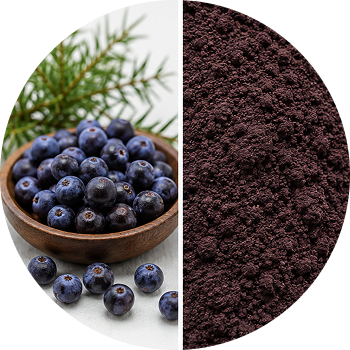
Juniper Berry cutout
Juniper Berry
Berry (cone)
Botanical Name Juniperus communis
Common Name Juniper Berry
Part Used Berry (cone)
Active Components Volatile Oil / Flavonoids
Standardizations Available On request
Forms Available Dry, Spray Dry, Liquid, Oil, Paste
Herbal Extract Ratio On request
Organic icon Organic

Introduction

Juniper Berry (Juniperus communis) is a botanical valued in traditional and modern herbal practice, included here for its relevance to digestive and gut health. This extract is prepared from the berry (cone) of the plant and is associated with volatile oil / flavonoids as its key constituent.

How It Benefits the Body

In the body, Juniper Berry is traditionally used to ease digestion, relieve gas and bloating and soothe the stomach, and promote healthy urine flow and kidney function. This activity is attributed largely to its volatile oil / flavonoids. Used within a balanced regimen, it supports the body's own functions rather than replacing professional medical care.

Industries Served

Juniper Berry is used across Ayurvedic & herbal medicine, Nutraceuticals & dietary supplements and Food & beverage. It is supplied in dry, spray-dried, liquid, oil and paste forms to suit each formulation.

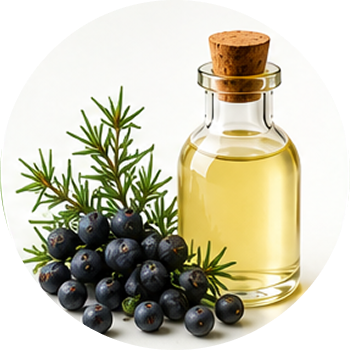
Juniper Berry Oil cutout
Juniper Berry Oil
Berry
Botanical Name Juniperus communis
Common Name Juniper Berry Oil
Part Used Berry
Active Components Alpha-Pinene
Standardizations Available On request
Forms Available Liquid, Dry Powder, PG Base, Paste, Blends
Herbal Extract Ratio On request
Organic icon Organic

Introduction

Juniper Berry Oil (Juniperus communis) is a botanical valued in traditional and modern herbal practice, included here for its relevance to digestive and gut health. This oil is obtained from the berry of the plant and is associated with alpha-pinene as its key constituent.

How It Benefits the Body

In the body, Juniper Berry Oil is traditionally used to ease digestion, relieve gas and bloating and soothe the stomach, promote healthy urine flow and kidney function, and support the body's natural detoxification and blood-cleansing. This activity is attributed largely to its alpha-pinene. Used within a balanced regimen, it supports the body's own functions rather than replacing professional medical care.

Industries Served

Juniper Berry Oil is used across Ayurvedic & herbal medicine, Nutraceuticals & dietary supplements, Pharmaceuticals, Cosmetics & personal care and Food & beverage. It is supplied in liquid, dry-powder, PG-base, paste and blend forms to suit each formulation.

Bottle Gourd cutout
Bottle Gourd
Fruit
Botanical Name Lagenaria siceraria
Common Name Bottle Gourd
Part Used Vegetable
Active Components Vitamins / Minerals
Standardizations Available On request
Forms Available Dry, Spray Dry, Liquid, Oil, Paste
Herbal Extract Ratio On request
Organic icon Organic

Introduction

Bottle Gourd (Lagenaria siceraria) is a botanical valued in traditional and modern herbal practice, included here for its relevance to digestive and gut health. This extract is prepared from the fruit of the plant and is associated with vitamins / minerals as its key constituent.

How It Benefits the Body

In the body, Bottle Gourd is traditionally used to ease digestion, relieve gas and bloating and soothe the stomach, and act as a restorative that supports overall strength and vitality. This activity is attributed largely to its vitamins / minerals. Used within a balanced regimen, it supports the body's own functions rather than replacing professional medical care.

Industries Served

Bottle Gourd is used across Ayurvedic & herbal medicine, Nutraceuticals & dietary supplements and Food & beverage. It is supplied in dry, spray-dried, liquid, oil and paste forms to suit each formulation.

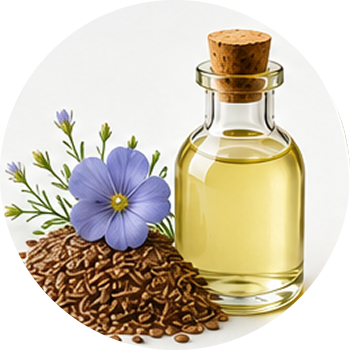
Flax Seed Oil cutout
Flax Seed Oil
Seed
Botanical Name Linum usitatissimum
Common Name Flax Seed Oil
Part Used Seed
Active Components Omega-3 (ALA)
Standardizations Available On request
Forms Available Liquid, Dry Powder, PG Base, Paste, Blends
Herbal Extract Ratio On request
Organic icon Organic

Introduction

Flax Seed Oil (Linum usitatissimum) is a botanical valued in traditional and modern herbal practice, included here for its relevance to digestive and gut health. This oil is obtained from the seed of the plant and is associated with omega-3 (ala) as its key constituent.

How It Benefits the Body

In the body, Flax Seed Oil is traditionally used to ease digestion, relieve gas and bloating and soothe the stomach, promote regular, comfortable bowel movement, and neutralise free radicals and limit oxidative stress on cells. This activity is attributed largely to its omega-3 (ala). Used within a balanced regimen, it supports the body's own functions rather than replacing professional medical care.

Industries Served

Flax Seed Oil is used across Ayurvedic & herbal medicine, Nutraceuticals & dietary supplements, Pharmaceuticals, Cosmetics & personal care and Food & beverage. It is supplied in liquid, dry-powder, PG-base, paste and blend forms to suit each formulation.

Medalakdi cutout
Medalakdi
Leaves / Fruit
Botanical Name Litsea chinensis
Common Name Medalakdi
Part Used Leaves / Fruit
Active Components Flavonoids
Standardizations Available On request
Forms Available Dry, Spray Dry, Liquid, Oil, Paste
Herbal Extract Ratio 10:1
Organic icon Organic

Introduction

Medalakdi (Litsea chinensis) is a botanical valued in traditional and modern herbal practice, included here for its relevance to digestive and gut health. This extract is prepared from the leaves / fruit of the plant and is associated with flavonoids as its key constituent.

How It Benefits the Body

In the body, Medalakdi is traditionally used to support relief from loose motions and digestive upset, and help the body resist microbial and infectious challenges. This activity is attributed largely to its flavonoids. Used within a balanced regimen, it supports the body's own functions rather than replacing professional medical care.

Industries Served

Medalakdi is used across Ayurvedic & herbal medicine. It is supplied in dry, spray-dried, liquid, oil and paste forms to suit each formulation.

Apple cutout
Apple
Fruit
Botanical Name Malus domestica
Common Name Apple
Part Used Vegetable
Active Components Polyphenols
Standardizations Available On request
Forms Available Dry, Spray Dry, Liquid, Oil, Paste
Herbal Extract Ratio On request
Organic icon Organic

Introduction

Apple (Malus domestica) is a botanical valued in traditional and modern herbal practice, included here for its relevance to digestive and gut health. This extract is prepared from the fruit of the plant and is associated with polyphenols as its key constituent.

How It Benefits the Body

In the body, Apple is traditionally used to ease digestion, relieve gas and bloating and soothe the stomach, neutralise free radicals and limit oxidative stress on cells, and support healthy skin, hair and a clear complexion. This activity is attributed largely to its polyphenols. Used within a balanced regimen, it supports the body's own functions rather than replacing professional medical care.

Industries Served

Apple is used across Ayurvedic & herbal medicine, Nutraceuticals & dietary supplements, Cosmetics & personal care and Food & beverage. It is supplied in dry, spray-dried, liquid, oil and paste forms to suit each formulation.

Mango cutout
Mango
Fruit
Botanical Name Mangifera indica
Common Name Mango
Part Used Vegetable
Active Components Mangiferin / Vitamin C
Standardizations Available On request
Forms Available Dry, Spray Dry, Liquid, Oil, Paste
Herbal Extract Ratio On request
Organic icon Organic

Introduction

Mango (Mangifera indica) is a botanical valued in traditional and modern herbal practice, included here for its relevance to digestive and gut health. This extract is prepared from the fruit of the plant and is associated with mangiferin / vitamin c as its key constituent.

How It Benefits the Body

In the body, Mango is traditionally used to ease digestion, relieve gas and bloating and soothe the stomach, and neutralise free radicals and limit oxidative stress on cells. This activity is attributed largely to its mangiferin / vitamin c. Used within a balanced regimen, it supports the body's own functions rather than replacing professional medical care.

Industries Served

Mango is used across Ayurvedic & herbal medicine, Nutraceuticals & dietary supplements, Cosmetics & personal care and Food & beverage. It is supplied in dry, spray-dried, liquid, oil and paste forms to suit each formulation.

Chikoo (Sapodilla) cutout
Chikoo (Sapodilla)
Fruit
Botanical Name Manilkara zapota
Common Name Chikoo (Sapodilla)
Part Used Vegetable
Active Components Polyphenols / Tannins
Standardizations Available On request
Forms Available Dry, Spray Dry, Liquid, Oil, Paste
Herbal Extract Ratio On request
Organic icon Organic

Introduction

Chikoo (Sapodilla) (Manilkara zapota) is a botanical valued in traditional and modern herbal practice, included here for its relevance to digestive and gut health. This extract is prepared from the fruit of the plant and is associated with polyphenols / tannins as its key constituent.

How It Benefits the Body

In the body, Chikoo (Sapodilla) is traditionally used to ease digestion, relieve gas and bloating and soothe the stomach, and act as a restorative that supports overall strength and vitality. This activity is attributed largely to its polyphenols / tannins. Used within a balanced regimen, it supports the body's own functions rather than replacing professional medical care.

Industries Served

Chikoo (Sapodilla) is used across Ayurvedic & herbal medicine, Nutraceuticals & dietary supplements and Food & beverage. It is supplied in dry, spray-dried, liquid, oil and paste forms to suit each formulation.

Chamomile Oil cutout
Chamomile Oil
Flower
Botanical Name Matricaria chamomilla
Common Name Chamomile Oil
Part Used Flower
Active Components Bisabolol / Chamazulene
Standardizations Available On request
Forms Available Liquid, Dry Powder, PG Base, Paste, Blends
Herbal Extract Ratio On request
Organic icon Organic

Introduction

Chamomile Oil (Matricaria chamomilla) is a botanical valued in traditional and modern herbal practice, included here for its relevance to digestive and gut health. This oil is obtained from the flower of the plant and is associated with bisabolol / chamazulene as its key constituent.

How It Benefits the Body

In the body, Chamomile Oil is traditionally used to ease digestion, relieve gas and bloating and soothe the stomach, help the body resist microbial and infectious challenges, and ease joint and muscular discomfort and support bone health. This activity is attributed largely to its bisabolol / chamazulene. Used within a balanced regimen, it supports the body's own functions rather than replacing professional medical care.

Industries Served

Chamomile Oil is used across Ayurvedic & herbal medicine, Nutraceuticals & dietary supplements, Pharmaceuticals, Cosmetics & personal care and Food & beverage. It is supplied in liquid, dry-powder, PG-base, paste and blend forms to suit each formulation.

Mint cutout
Mint
Leaves
Botanical Name Mentha arvensis
Common Name Mint
Part Used Leaves
Active Components Volatile Oil
Standardizations Available 3%
Forms Available Dry, Spray Dry, Liquid, Oil, Paste
Herbal Extract Ratio 5:1
Organic icon Organic

Introduction

Mint (Mentha arvensis) is a botanical valued in traditional and modern herbal practice, included here for its relevance to digestive and gut health. This extract is prepared from the leaves of the plant and is associated with volatile oil as its key constituent.

How It Benefits the Body

In the body, Mint is traditionally used to ease digestion, relieve gas and bloating and soothe the stomach. This activity is attributed largely to its volatile oil. Used within a balanced regimen, it supports the body's own functions rather than replacing professional medical care.

Industries Served

Mint is used across Ayurvedic & herbal medicine and Food & beverage. It is supplied in dry, spray-dried, liquid, oil and paste forms to suit each formulation.

Peppermint Oil cutout
Peppermint Oil
Leaf
Botanical Name Mentha piperita
Common Name Peppermint Oil
Part Used Leaf
Active Components Menthol
Standardizations Available On request
Forms Available Liquid, Dry Powder, PG Base, Paste, Blends
Herbal Extract Ratio On request
Organic icon Organic

Introduction

Peppermint Oil (Mentha piperita) is a botanical valued in traditional and modern herbal practice, included here for its relevance to digestive and gut health. This oil is obtained from the leaf of the plant and is associated with menthol as its key constituent.

How It Benefits the Body

In the body, Peppermint Oil is traditionally used to ease digestion, relieve gas and bloating and soothe the stomach, support the respiratory tract and help clear mucus, and help the body resist microbial and infectious challenges. This activity is attributed largely to its menthol. Used within a balanced regimen, it supports the body's own functions rather than replacing professional medical care.

Industries Served

Peppermint Oil is used across Ayurvedic & herbal medicine, Nutraceuticals & dietary supplements, Pharmaceuticals, Cosmetics & personal care and Food & beverage. It is supplied in liquid, dry-powder, PG-base, paste and blend forms to suit each formulation.

Mint Leaves cutout
Mint Leaves
Leaf
Botanical Name Mentha spicata
Common Name Mint Leaves
Part Used Leaf
Active Components Menthol / Volatile Oil
Standardizations Available On request
Forms Available Dry, Spray Dry, Liquid, Oil, Paste
Herbal Extract Ratio On request
Organic icon Organic

Introduction

Mint Leaves (Mentha spicata) is a botanical valued in traditional and modern herbal practice, included here for its relevance to digestive and gut health. This extract is prepared from the leaf of the plant and is associated with menthol / volatile oil as its key constituent.

How It Benefits the Body

In the body, Mint Leaves is traditionally used to ease digestion, relieve gas and bloating and soothe the stomach, and support healthy skin, hair and a clear complexion. This activity is attributed largely to its menthol / volatile oil. Used within a balanced regimen, it supports the body's own functions rather than replacing professional medical care.

Industries Served

Mint Leaves is used across Ayurvedic & herbal medicine, Nutraceuticals & dietary supplements, Cosmetics & personal care and Food & beverage. It is supplied in dry, spray-dried, liquid, oil and paste forms to suit each formulation.

Spearmint Oil cutout
Spearmint Oil
Leaf
Botanical Name Mentha spicata
Common Name Spearmint Oil
Part Used Leaf
Active Components Carvone
Standardizations Available On request
Forms Available Liquid, Dry Powder, PG Base, Paste, Blends
Herbal Extract Ratio On request
Organic icon Organic

Introduction

Spearmint Oil (Mentha spicata) is a botanical valued in traditional and modern herbal practice, included here for its relevance to digestive and gut health. This oil is obtained from the leaf of the plant and is associated with carvone as its key constituent.

How It Benefits the Body

In the body, Spearmint Oil is traditionally used to ease digestion, relieve gas and bloating and soothe the stomach, help the body resist microbial and infectious challenges, and support female hormonal and uterine health. This activity is attributed largely to its carvone. Used within a balanced regimen, it supports the body's own functions rather than replacing professional medical care.

Industries Served

Spearmint Oil is used across Ayurvedic & herbal medicine, Nutraceuticals & dietary supplements, Pharmaceuticals, Cosmetics & personal care and Food & beverage. It is supplied in liquid, dry-powder, PG-base, paste and blend forms to suit each formulation.

Nagkeshar cutout
Nagkeshar
Flower Buds
Botanical Name Mesua ferrea
Common Name Nagkeshar
Part Used Flower Buds
Active Components Volatile Oil
Standardizations Available 3%
Forms Available Dry, Spray Dry, Liquid, Oil, Paste
Herbal Extract Ratio 4:1
Organic icon Organic

Introduction

Nagkeshar (Mesua ferrea) is a botanical valued in traditional and modern herbal practice, included here for its relevance to digestive and gut health. This extract is prepared from the flower buds of the plant and is associated with volatile oil as its key constituent.

How It Benefits the Body

In the body, Nagkeshar is traditionally used to ease digestion, relieve gas and bloating and soothe the stomach. This activity is attributed largely to its volatile oil. Used within a balanced regimen, it supports the body's own functions rather than replacing professional medical care.

Industries Served

Nagkeshar is used across Ayurvedic & herbal medicine, Cosmetics & personal care and Food & beverage. It is supplied in dry, spray-dried, liquid, oil and paste forms to suit each formulation.

Karela cutout
Karela
Vegetable
Botanical Name Momordica charantia
Common Name Karela
Part Used Vegetable
Active Components Bitters
Standardizations Available Customisable
Forms Available Dry, Spray Dry, Liquid, Oil, Paste
Herbal Extract Ratio 10:1
Organic icon Organic

Introduction

Karela (Vegetable) is a botanical valued in traditional and modern herbal practice, included here for its relevance to digestive and gut health. This extract is prepared from the fruit / seed of the plant and is associated with bitters as its key constituent.

How It Benefits the Body

In the body, Karela is traditionally used to ease digestion, relieve gas and bloating and soothe the stomach, support healthy blood-sugar balance, and help the body resist microbial and infectious challenges. This activity is attributed largely to its bitters. Used within a balanced regimen, it supports the body's own functions rather than replacing professional medical care.

Industries Served

Karela is used across Ayurvedic & herbal medicine, Nutraceuticals & dietary supplements, Pharmaceuticals, Cosmetics & personal care and Food & beverage. It is supplied in dry, spray-dried, liquid, oil and paste forms to suit each formulation.

Curry Leaf cutout
Curry Leaf
Leaves
Botanical Name Murraya koenigii
Common Name Curry Leaf
Part Used Leaves
Active Components Alkaloids
Standardizations Available On request
Forms Available Dry, Spray Dry, Liquid, Oil, Paste
Herbal Extract Ratio 10:1
Organic icon Organic

Introduction

Curry Leaf (Murraya koenigii) is a botanical valued in traditional and modern herbal practice, included here for its relevance to digestive and gut health. This extract is prepared from the leaves of the plant and is associated with alkaloids as its key constituent.

How It Benefits the Body

In the body, Curry Leaf is traditionally used to ease digestion, relieve gas and bloating and soothe the stomach, neutralise free radicals and limit oxidative stress on cells, and support healthy skin, hair and a clear complexion. This activity is attributed largely to its alkaloids. Used within a balanced regimen, it supports the body's own functions rather than replacing professional medical care.

Industries Served

Curry Leaf is used across Ayurvedic & herbal medicine, Nutraceuticals & dietary supplements, Cosmetics & personal care and Food & beverage. It is supplied in dry, spray-dried, liquid, oil and paste forms to suit each formulation.

Banana cutout
Banana
Fruit
Botanical Name Musa paradisiaca
Common Name Banana
Part Used Vegetable
Active Components Vitamins
Standardizations Available On request
Forms Available Dry, Spray Dry, Liquid, Oil, Paste
Herbal Extract Ratio On request
Organic icon Organic

Introduction

Banana (Musa paradisiaca) is a botanical valued in traditional and modern herbal practice, included here for its relevance to digestive and gut health. This extract is prepared from the fruit of the plant and is associated with vitamins as its key constituent.

How It Benefits the Body

In the body, Banana is traditionally used to ease digestion, relieve gas and bloating and soothe the stomach, support healthy skin, hair and a clear complexion, and act as a restorative that supports overall strength and vitality. This activity is attributed largely to its vitamins. Used within a balanced regimen, it supports the body's own functions rather than replacing professional medical care.

Industries Served

Banana is used across Ayurvedic & herbal medicine, Nutraceuticals & dietary supplements, Cosmetics & personal care and Food & beverage. It is supplied in dry, spray-dried, liquid, oil and paste forms to suit each formulation.

Kaiphal cutout
Kaiphal
Bark
Botanical Name Myrica nagi
Common Name Kaiphal
Part Used Bark
Active Components Tannins
Standardizations Available 1-5%
Forms Available Dry, Spray Dry, Liquid, Oil, Paste
Herbal Extract Ratio 10:1
Organic icon Organic

Introduction

Kaiphal (Myrica nagi) is a botanical valued in traditional and modern herbal practice, included here for its relevance to digestive and gut health. This extract is prepared from the bark of the plant and is associated with tannins as its key constituent.

How It Benefits the Body

In the body, Kaiphal is traditionally used to ease digestion, relieve gas and bloating and soothe the stomach. This activity is attributed largely to its tannins. Used within a balanced regimen, it supports the body's own functions rather than replacing professional medical care.

Industries Served

Kaiphal is used across Ayurvedic & herbal medicine, Cosmetics & personal care and Food & beverage. It is supplied in dry, spray-dried, liquid, oil and paste forms to suit each formulation.

Nutmeg cutout
Nutmeg
Nut
Botanical Name Myristica fragrans
Common Name Nutmeg
Part Used Nut
Active Components Volatile Oil
Standardizations Available 1-4%
Forms Available Dry, Spray Dry, Liquid, Oil, Paste
Herbal Extract Ratio 6:1
Organic icon Organic

Introduction

Nutmeg (Myristica fragrans) is a botanical valued in traditional and modern herbal practice, included here for its relevance to digestive and gut health. This extract is prepared from the nut of the plant and is associated with volatile oil as its key constituent.

How It Benefits the Body

In the body, Nutmeg is traditionally used to ease digestion, relieve gas and bloating and soothe the stomach. This activity is attributed largely to its volatile oil. Used within a balanced regimen, it supports the body's own functions rather than replacing professional medical care.

Industries Served

Nutmeg is used across Ayurvedic & herbal medicine and Food & beverage. It is supplied in dry, spray-dried, liquid, oil and paste forms to suit each formulation.

Mace Extract cutout
Mace Extract
Aril (mace)
Botanical Name Myristica fragrans
Common Name Mace Extract
Part Used Aril (mace)
Active Components Volatile Oil
Standardizations Available Customisable
Forms Available Dry, Spray Dry, Liquid, Oil, Paste
Herbal Extract Ratio To marker spec (≈4:1–10:1 native)
Organic icon Organic

Introduction

Mace Extract (Myristica fragrans) is a botanical valued in traditional and modern herbal practice, included here for its relevance to digestive and gut health. This extract is prepared from the aril (mace) of the plant and is associated with volatile oil as its key constituent.

How It Benefits the Body

In the body, Mace Extract is traditionally used to ease digestion, relieve gas and bloating and soothe the stomach. This activity is attributed largely to its volatile oil. Used within a balanced regimen, it supports the body's own functions rather than replacing professional medical care.

Industries Served

Mace Extract is used across Ayurvedic & herbal medicine, Nutraceuticals & dietary supplements and Food & beverage. It is supplied in dry, spray-dried, liquid, oil and paste forms to suit each formulation.

Nutmeg Oil cutout
Nutmeg Oil
Seed
Botanical Name Myristica fragrans
Common Name Nutmeg Oil
Part Used Seed
Active Components Myristicin / Sabinene
Standardizations Available On request
Forms Available Liquid, Dry Powder, PG Base, Paste, Blends
Herbal Extract Ratio On request
Organic icon Organic

Introduction

Nutmeg Oil (Myristica fragrans) is a botanical valued in traditional and modern herbal practice, included here for its relevance to digestive and gut health. This oil is obtained from the seed of the plant and is associated with myristicin / sabinene as its key constituent.

How It Benefits the Body

In the body, Nutmeg Oil is traditionally used to ease digestion, relieve gas and bloating and soothe the stomach, help the body resist microbial and infectious challenges, and ease joint and muscular discomfort and support bone health. This activity is attributed largely to its myristicin / sabinene. Used within a balanced regimen, it supports the body's own functions rather than replacing professional medical care.

Industries Served

Nutmeg Oil is used across Ayurvedic & herbal medicine, Nutraceuticals & dietary supplements, Pharmaceuticals, Cosmetics & personal care and Food & beverage. It is supplied in liquid, dry-powder, PG-base, paste and blend forms to suit each formulation.

Black Cumin cutout
Black Cumin
Seed
Botanical Name Nigella sativa
Common Name Black Cumin
Part Used Seed
Active Components Saponins
Standardizations Available 15%
Forms Available Dry, Spray Dry, Liquid, Oil, Paste
Herbal Extract Ratio 10:1
Organic icon Organic

Introduction

Black Cumin (Nigella sativa) is a botanical valued in traditional and modern herbal practice, included here for its relevance to digestive and gut health. This extract is prepared from the seed of the plant and is associated with saponins as its key constituent.

How It Benefits the Body

In the body, Black Cumin is traditionally used to ease digestion, relieve gas and bloating and soothe the stomach, help the body resist microbial and infectious challenges, and support healthy skin, hair and a clear complexion. This activity is attributed largely to its saponins. Used within a balanced regimen, it supports the body's own functions rather than replacing professional medical care.

Industries Served

Black Cumin is used across Ayurvedic & herbal medicine, Pharmaceuticals, Cosmetics & personal care and Food & beverage. It is supplied in dry, spray-dried, liquid, oil and paste forms to suit each formulation.

Black Seed Oil cutout
Black Seed Oil
Seed
Botanical Name Nigella sativa
Common Name Black Seed Oil
Part Used Seed
Active Components Thymoquinone
Standardizations Available On request
Forms Available Liquid, Dry Powder, PG Base, Paste, Blends
Herbal Extract Ratio On request
Organic icon Organic

Introduction

Black Seed Oil (Nigella sativa) is a botanical valued in traditional and modern herbal practice, included here for its relevance to digestive and gut health. This oil is obtained from the seed of the plant and is associated with thymoquinone as its key constituent.

How It Benefits the Body

In the body, Black Seed Oil is traditionally used to ease digestion, relieve gas and bloating and soothe the stomach, support the respiratory tract and help clear mucus, and support healthy blood-sugar balance. This activity is attributed largely to its thymoquinone. Used within a balanced regimen, it supports the body's own functions rather than replacing professional medical care.

Industries Served

Black Seed Oil is used across Ayurvedic & herbal medicine, Nutraceuticals & dietary supplements, Pharmaceuticals, Cosmetics & personal care and Food & beverage. It is supplied in liquid, dry-powder, PG-base, paste and blend forms to suit each formulation.

Basil Oil (Tulsi) cutout
Basil Oil (Tulsi)
Leaf
Botanical Name Ocimum basilicum
Common Name Basil Oil (Tulsi)
Part Used Leaf
Active Components Eugenol / Linalool
Standardizations Available On request
Forms Available Liquid, Dry Powder, PG Base, Paste, Blends
Herbal Extract Ratio On request
Organic icon Organic

Introduction

Basil Oil (Tulsi) (Ocimum basilicum) is a botanical valued in traditional and modern herbal practice, included here for its relevance to digestive and gut health. This oil is obtained from the leaf of the plant and is associated with eugenol / linalool as its key constituent.

How It Benefits the Body

In the body, Basil Oil (Tulsi) is traditionally used to ease digestion, relieve gas and bloating and soothe the stomach, support the respiratory tract and help clear mucus, and support healthy blood-sugar balance. This activity is attributed largely to its eugenol / linalool. Used within a balanced regimen, it supports the body's own functions rather than replacing professional medical care.

Industries Served

Basil Oil (Tulsi) is used across Ayurvedic & herbal medicine, Nutraceuticals & dietary supplements, Pharmaceuticals, Cosmetics & personal care and Food & beverage. It is supplied in liquid, dry-powder, PG-base, paste and blend forms to suit each formulation.

Olive Oil cutout
Olive Oil
Fruit
Botanical Name Olea europaea
Common Name Olive Oil
Part Used Vegetable
Active Components Oleic Acid / Polyphenols
Standardizations Available On request
Forms Available Liquid, Dry Powder, PG Base, Paste, Blends
Herbal Extract Ratio On request
Organic icon Organic

Introduction

Olive Oil (Olea europaea) is a botanical valued in traditional and modern herbal practice, included here for its relevance to digestive and gut health. This oil is obtained from the fruit of the plant and is associated with oleic acid / polyphenols as its key constituent.

How It Benefits the Body

In the body, Olive Oil is traditionally used to ease digestion, relieve gas and bloating and soothe the stomach, neutralise free radicals and limit oxidative stress on cells, and ease joint and muscular discomfort and support bone health. This activity is attributed largely to its oleic acid / polyphenols. Used within a balanced regimen, it supports the body's own functions rather than replacing professional medical care.

Industries Served

Olive Oil is used across Ayurvedic & herbal medicine, Nutraceuticals & dietary supplements, Pharmaceuticals, Cosmetics & personal care and Food & beverage. It is supplied in liquid, dry-powder, PG-base, paste and blend forms to suit each formulation.

Gaozaban cutout
Gaozaban
Plant
Botanical Name Onosma bracteatum
Common Name Gaozaban
Part Used Plant
Active Components Glycosides
Standardizations Available 10%
Forms Available Dry, Spray Dry, Liquid, Oil, Paste
Herbal Extract Ratio 10:1
Organic icon Organic

Introduction

Gaozaban (Onosma bracteatum) is a botanical valued in traditional and modern herbal practice, included here for its relevance to digestive and gut health. This extract is prepared from the plant of the plant and is associated with glycosides as its key constituent.

How It Benefits the Body

In the body, Gaozaban is traditionally used to support relief from loose motions and digestive upset. This activity is attributed largely to its glycosides. Used within a balanced regimen, it supports the body's own functions rather than replacing professional medical care.

Industries Served

Gaozaban is used across Ayurvedic & herbal medicine. It is supplied in dry, spray-dried, liquid, oil and paste forms to suit each formulation.

Nisoth cutout
Nisoth
Root
Botanical Name Operculina turpethum
Common Name Nisoth
Part Used Root
Active Components Resins
Standardizations Available 1-10%
Forms Available Dry, Spray Dry, Liquid, Oil, Paste
Herbal Extract Ratio 10:1
Organic icon Organic

Introduction

Nisoth (Operculina turpethum) is a botanical valued in traditional and modern herbal practice, included here for its relevance to digestive and gut health. This extract is prepared from the root of the plant and is associated with resins as its key constituent.

How It Benefits the Body

In the body, Nisoth is traditionally used to promote regular, comfortable bowel movement. This activity is attributed largely to its resins. Used within a balanced regimen, it supports the body's own functions rather than replacing professional medical care.

Industries Served

Nisoth is used across Ayurvedic & herbal medicine. It is supplied in dry, spray-dried, liquid, oil and paste forms to suit each formulation.

Marjoram cutout
Marjoram
Leaf
Botanical Name Origanum majorana
Common Name Marjoram
Part Used Leaf
Active Components Volatile Oil / Flavonoids
Standardizations Available On request
Forms Available Dry, Spray Dry, Liquid, Oil, Paste
Herbal Extract Ratio On request
Organic icon Organic

Introduction

Marjoram (Origanum majorana) is a botanical valued in traditional and modern herbal practice, included here for its relevance to digestive and gut health. This extract is prepared from the leaf of the plant and is associated with volatile oil / flavonoids as its key constituent.

How It Benefits the Body

In the body, Marjoram is traditionally used to ease digestion, relieve gas and bloating and soothe the stomach, and neutralise free radicals and limit oxidative stress on cells. This activity is attributed largely to its volatile oil / flavonoids. Used within a balanced regimen, it supports the body's own functions rather than replacing professional medical care.

Industries Served

Marjoram is used across Ayurvedic & herbal medicine, Nutraceuticals & dietary supplements, Cosmetics & personal care and Food & beverage. It is supplied in dry, spray-dried, liquid, oil and paste forms to suit each formulation.

Gandhali cutout
Gandhali
Root
Botanical Name Paederia foetida
Common Name Gandhali
Part Used Root
Active Components Alkaloids
Standardizations Available 1-2%
Forms Available Dry, Spray Dry, Liquid, Oil, Paste
Herbal Extract Ratio 10:1
Organic icon Organic

Introduction

Gandhali (Paederia foetida) is a botanical valued in traditional and modern herbal practice, included here for its relevance to digestive and gut health. This extract is prepared from the root of the plant and is associated with alkaloids as its key constituent.

How It Benefits the Body

In the body, Gandhali is traditionally used to support relief from loose motions and digestive upset, and support the respiratory tract and help clear mucus. This activity is attributed largely to its alkaloids. Used within a balanced regimen, it supports the body's own functions rather than replacing professional medical care.

Industries Served

Gandhali is used across Ayurvedic & herbal medicine. It is supplied in dry, spray-dried, liquid, oil and paste forms to suit each formulation.

Aniseed Oil cutout
Aniseed Oil
Seed
Botanical Name Pimpinella anisum
Common Name Aniseed Oil
Part Used Seed
Active Components Anethole
Standardizations Available On request
Forms Available Liquid, Dry Powder, PG Base, Paste, Blends
Herbal Extract Ratio On request
Organic icon Organic

Introduction

Aniseed Oil (Pimpinella anisum) is a botanical valued in traditional and modern herbal practice, included here for its relevance to digestive and gut health. This oil is obtained from the seed of the plant and is associated with anethole as its key constituent.

How It Benefits the Body

In the body, Aniseed Oil is traditionally used to ease digestion, relieve gas and bloating and soothe the stomach, support the respiratory tract and help clear mucus, and help the body resist microbial and infectious challenges. This activity is attributed largely to its anethole. Used within a balanced regimen, it supports the body's own functions rather than replacing professional medical care.

Industries Served

Aniseed Oil is used across Ayurvedic & herbal medicine, Nutraceuticals & dietary supplements, Pharmaceuticals, Cosmetics & personal care and Food & beverage. It is supplied in liquid, dry-powder, PG-base, paste and blend forms to suit each formulation.

Kabab Chini cutout
Kabab Chini
Fruit
Botanical Name Piper cubeba
Common Name Kabab Chini
Part Used Vegetable
Active Components Piperine
Standardizations Available 10%
Forms Available Dry, Spray Dry, Liquid, Oil, Paste
Herbal Extract Ratio 10:1
Organic icon Organic

Introduction

Kabab Chini (Piper cubeba) is a botanical valued in traditional and modern herbal practice, included here for its relevance to digestive and gut health. This extract is prepared from the fruit of the plant and is associated with piperine as its key constituent.

How It Benefits the Body

In the body, Kabab Chini is traditionally used to ease digestion, relieve gas and bloating and soothe the stomach. This activity is attributed largely to its piperine. Used within a balanced regimen, it supports the body's own functions rather than replacing professional medical care.

Industries Served

Kabab Chini is used across Ayurvedic & herbal medicine and Food & beverage. It is supplied in dry, spray-dried, liquid, oil and paste forms to suit each formulation.

Pippali cutout
Pippali
Fruit
Botanical Name Piper longum
Common Name Pippali
Part Used Vegetable
Active Components Piperine
Standardizations Available Customisable
Forms Available Dry, Spray Dry, Liquid, Oil, Paste
Herbal Extract Ratio 4:1
Organic icon Organic

Introduction

Pippali (Piper longum) is a botanical valued in traditional and modern herbal practice, included here for its relevance to digestive and gut health. This extract is prepared from the fruit of the plant and is associated with piperine as its key constituent.

How It Benefits the Body

In the body, Pippali is traditionally used to ease digestion, relieve gas and bloating and soothe the stomach, and support the respiratory tract and help clear mucus. This activity is attributed largely to its piperine. Used within a balanced regimen, it supports the body's own functions rather than replacing professional medical care.

Industries Served

Pippali is used across Ayurvedic & herbal medicine and Food & beverage. It is supplied in dry, spray-dried, liquid, oil and paste forms to suit each formulation.

Piplamool cutout
Piplamool
Root
Botanical Name Piper longum
Common Name Piplamool
Part Used Root
Active Components Piperine
Standardizations Available Customisable
Forms Available Dry, Spray Dry, Liquid, Oil, Paste
Herbal Extract Ratio 4:1
Organic icon Organic

Introduction

Piplamool (Piper longum) is a botanical valued in traditional and modern herbal practice, included here for its relevance to digestive and gut health. This extract is prepared from the root of the plant and is associated with piperine as its key constituent.

How It Benefits the Body

In the body, Piplamool is traditionally used to ease digestion, relieve gas and bloating and soothe the stomach, and support the respiratory tract and help clear mucus. This activity is attributed largely to its piperine. Used within a balanced regimen, it supports the body's own functions rather than replacing professional medical care.

Industries Served

Piplamool is used across Ayurvedic & herbal medicine, Nutraceuticals & dietary supplements and Food & beverage. It is supplied in dry, spray-dried, liquid, oil and paste forms to suit each formulation.

Black Pepper cutout
Black Pepper
Fruit
Botanical Name Piper nigrum
Common Name Black Pepper
Part Used Vegetable
Active Components Piperine
Standardizations Available Customisable
Forms Available Dry, Spray Dry, Liquid, Oil, Paste
Herbal Extract Ratio 6:1
Organic icon Organic

Introduction

Black Pepper (Piper nigrum) is a botanical valued in traditional and modern herbal practice, included here for its relevance to digestive and gut health. This extract is prepared from the fruit of the plant and is associated with piperine as its key constituent.

How It Benefits the Body

In the body, Black Pepper is traditionally used to ease digestion, relieve gas and bloating and soothe the stomach. This activity is attributed largely to its piperine. Used within a balanced regimen, it supports the body's own functions rather than replacing professional medical care.

Industries Served

Black Pepper is used across Ayurvedic & herbal medicine, Nutraceuticals & dietary supplements and Food & beverage. It is supplied in dry, spray-dried, liquid, oil and paste forms to suit each formulation.

Black Pepper Oil cutout
Black Pepper Oil
Fruit
Botanical Name Piper nigrum
Common Name Black Pepper Oil
Part Used Vegetable
Active Components Piperine / Caryophyllene
Standardizations Available On request
Forms Available Liquid, Dry Powder, PG Base, Paste, Blends
Herbal Extract Ratio On request
Organic icon Organic

Introduction

Black Pepper Oil (Piper nigrum) is a botanical valued in traditional and modern herbal practice, included here for its relevance to digestive and gut health. This oil is obtained from the fruit of the plant and is associated with piperine / caryophyllene as its key constituent.

How It Benefits the Body

In the body, Black Pepper Oil is traditionally used to ease digestion, relieve gas and bloating and soothe the stomach, support the respiratory tract and help clear mucus, and neutralise free radicals and limit oxidative stress on cells. This activity is attributed largely to its piperine / caryophyllene. Used within a balanced regimen, it supports the body's own functions rather than replacing professional medical care.

Industries Served

Black Pepper Oil is used across Ayurvedic & herbal medicine, Nutraceuticals & dietary supplements, Pharmaceuticals, Cosmetics & personal care and Food & beverage. It is supplied in liquid, dry-powder, PG-base, paste and blend forms to suit each formulation.

Isabgul cutout
Isabgul
Seeds
Botanical Name Plantago ovata
Common Name Isabgul
Part Used Seeds
Active Components Mucilage
Standardizations Available On request
Forms Available Dry, Spray Dry, Liquid, Oil, Paste
Herbal Extract Ratio 5:1
Organic icon Organic

Introduction

Isabgul (Plantago ovata) is a botanical valued in traditional and modern herbal practice, included here for its relevance to digestive and gut health. This extract is prepared from the seeds of the plant and is associated with mucilage as its key constituent.

How It Benefits the Body

In the body, Isabgul is traditionally used to promote regular, comfortable bowel movement, and support healthy blood-sugar balance. This activity is attributed largely to its mucilage. Used within a balanced regimen, it supports the body's own functions rather than replacing professional medical care.

Industries Served

Isabgul is used across Ayurvedic & herbal medicine, Nutraceuticals & dietary supplements and Pharmaceuticals. It is supplied in dry, spray-dried, liquid, oil and paste forms to suit each formulation.

Indian Podophyllum cutout
Indian Podophyllum
Rhizome
Botanical Name Podophyllum emodi
Common Name Indian Podophyllum
Part Used Rhizome
Active Components Podophyllotoxin
Standardizations Available 20%
Forms Available Dry, Spray Dry, Liquid, Oil, Paste
Herbal Extract Ratio 10:1
Organic icon Organic

Introduction

Indian Podophyllum (Podophyllum emodi) is a botanical valued in traditional and modern herbal practice, included here for its relevance to digestive and gut health. This extract is prepared from the rhizome of the plant and is associated with podophyllotoxin as its key constituent.

How It Benefits the Body

In the body, Indian Podophyllum is traditionally used to promote regular, comfortable bowel movement. This activity is attributed largely to its podophyllotoxin. Used within a balanced regimen, it supports the body's own functions rather than replacing professional medical care.

Industries Served

Indian Podophyllum is used across Ayurvedic & herbal medicine. It is supplied in dry, spray-dried, liquid, oil and paste forms to suit each formulation.

Almond cutout
Almond
Seed
Botanical Name Prunus amygdalus
Common Name Almond
Part Used Seed
Active Components Proteins
Standardizations Available 20-25%
Forms Available Dry, Spray Dry, Liquid, Oil, Paste
Herbal Extract Ratio 10:1
Organic icon Organic

Introduction

Almond (Prunus amygdalus) is a botanical valued in traditional and modern herbal practice, included here for its relevance to digestive and gut health. This extract is prepared from the seed of the plant and is associated with proteins as its key constituent.

How It Benefits the Body

In the body, Almond is traditionally used to act as a restorative that supports overall strength and vitality, and soothe and protect tissues and mucous membranes. This activity is attributed largely to its proteins. Used within a balanced regimen, it supports the body's own functions rather than replacing professional medical care.

Industries Served

Almond is used across Ayurvedic & herbal medicine, Nutraceuticals & dietary supplements and Food & beverage. It is supplied in dry, spray-dried, liquid, oil and paste forms to suit each formulation.

Plum cutout
Plum
Fruit
Botanical Name Prunus domestica
Common Name Plum
Part Used Vegetable
Active Components Anthocyanins / Sorbitol
Standardizations Available On request
Forms Available Dry, Spray Dry, Liquid, Oil, Paste
Herbal Extract Ratio On request
Organic icon Organic

Introduction

Plum (Prunus domestica) is a botanical valued in traditional and modern herbal practice, included here for its relevance to digestive and gut health. This extract is prepared from the fruit of the plant and is associated with anthocyanins / sorbitol as its key constituent.

How It Benefits the Body

In the body, Plum is traditionally used to ease digestion, relieve gas and bloating and soothe the stomach, and neutralise free radicals and limit oxidative stress on cells. This activity is attributed largely to its anthocyanins / sorbitol. Used within a balanced regimen, it supports the body's own functions rather than replacing professional medical care.

Industries Served

Plum is used across Ayurvedic & herbal medicine, Nutraceuticals & dietary supplements, Cosmetics & personal care and Food & beverage. It is supplied in dry, spray-dried, liquid, oil and paste forms to suit each formulation.

Vidarikand cutout
Vidarikand
Root
Botanical Name Pueraria tuberosa
Common Name Vidarikand
Part Used Root
Active Components Flavones
Standardizations Available Customisable
Forms Available Dry, Spray Dry, Liquid, Oil, Paste
Herbal Extract Ratio 10:1
Organic icon Organic

Introduction

Vidarikand (Pueraria tuberosa) is a botanical valued in traditional and modern herbal practice, included here for its relevance to digestive and gut health. This extract is prepared from the root of the plant and is associated with flavones as its key constituent.

How It Benefits the Body

In the body, Vidarikand is traditionally used to support female hormonal and uterine health, act as a restorative that supports overall strength and vitality, and soothe and protect tissues and mucous membranes. This activity is attributed largely to its flavones. Used within a balanced regimen, it supports the body's own functions rather than replacing professional medical care.

Industries Served

Vidarikand is used across Ayurvedic & herbal medicine, Nutraceuticals & dietary supplements and Food & beverage. It is supplied in dry, spray-dried, liquid, oil and paste forms to suit each formulation.

Pear cutout
Pear
Fruit
Botanical Name Pyrus communis
Common Name Pear
Part Used Vegetable
Active Components Dietary Fibre / Flavonoids
Standardizations Available On request
Forms Available Dry, Spray Dry, Liquid, Oil, Paste
Herbal Extract Ratio On request
Organic icon Organic

Introduction

Pear (Pyrus communis) is a botanical valued in traditional and modern herbal practice, included here for its relevance to digestive and gut health. This extract is prepared from the fruit of the plant and is associated with dietary fibre / flavonoids as its key constituent.

How It Benefits the Body

In the body, Pear is traditionally used to ease digestion, relieve gas and bloating and soothe the stomach. This activity is attributed largely to its dietary fibre / flavonoids. Used within a balanced regimen, it supports the body's own functions rather than replacing professional medical care.

Industries Served

Pear is used across Ayurvedic & herbal medicine, Nutraceuticals & dietary supplements and Food & beverage. It is supplied in dry, spray-dried, liquid, oil and paste forms to suit each formulation.

Radish cutout
Radish
Root
Botanical Name Raphanus sativus
Common Name Radish
Part Used Root
Active Components Glucosinolates / Vitamin C
Standardizations Available On request
Forms Available Dry, Spray Dry, Liquid, Oil, Paste
Herbal Extract Ratio On request
Organic icon Organic

Introduction

Radish (Raphanus sativus) is a botanical valued in traditional and modern herbal practice, included here for its relevance to digestive and gut health. This extract is prepared from the root of the plant and is associated with glucosinolates / vitamin c as its key constituent.

How It Benefits the Body

In the body, Radish is traditionally used to ease digestion, relieve gas and bloating and soothe the stomach, support and help protect the liver, and support the body's natural detoxification and blood-cleansing. This activity is attributed largely to its glucosinolates / vitamin c. Used within a balanced regimen, it supports the body's own functions rather than replacing professional medical care.

Industries Served

Radish is used across Ayurvedic & herbal medicine, Nutraceuticals & dietary supplements and Food & beverage. It is supplied in dry, spray-dried, liquid, oil and paste forms to suit each formulation.

Castor cutout
Castor
Seed
Botanical Name Ricinus communis
Common Name Castor
Part Used Seed
Active Components Alkaloids
Standardizations Available 0.5%
Forms Available Dry, Spray Dry, Liquid, Oil, Paste
Herbal Extract Ratio 10:1
Organic icon Organic

Introduction

Castor (Ricinus communis) is a botanical valued in traditional and modern herbal practice, included here for its relevance to digestive and gut health. This extract is prepared from the seed of the plant and is associated with alkaloids as its key constituent.

How It Benefits the Body

In the body, Castor is traditionally used to promote regular, comfortable bowel movement. This activity is attributed largely to its alkaloids. Used within a balanced regimen, it supports the body's own functions rather than replacing professional medical care.

Industries Served

Castor is used across Ayurvedic & herbal medicine. It is supplied in dry, spray-dried, liquid, oil and paste forms to suit each formulation.

Rosemary Oil cutout
Rosemary Oil
Leaf
Botanical Name Salvia rosmarinus
Common Name Rosemary Oil
Part Used Leaf
Active Components 1,8-Cineole / Camphor
Standardizations Available On request
Forms Available Liquid, Dry Powder, PG Base, Paste, Blends
Herbal Extract Ratio On request
Organic icon Organic

Introduction

Rosemary Oil (Salvia rosmarinus) is a botanical valued in traditional and modern herbal practice, included here for its relevance to digestive and gut health. This oil is obtained from the leaf of the plant and is associated with 1,8-cineole / camphor as its key constituent.

How It Benefits the Body

In the body, Rosemary Oil is traditionally used to ease digestion, relieve gas and bloating and soothe the stomach, support the respiratory tract and help clear mucus, and neutralise free radicals and limit oxidative stress on cells. This activity is attributed largely to its 1,8-cineole / camphor. Used within a balanced regimen, it supports the body's own functions rather than replacing professional medical care.

Industries Served

Rosemary Oil is used across Ayurvedic & herbal medicine, Nutraceuticals & dietary supplements, Pharmaceuticals, Cosmetics & personal care and Food & beverage. It is supplied in liquid, dry-powder, PG-base, paste and blend forms to suit each formulation.

Chopchini cutout
Chopchini
Root
Botanical Name Smilax china
Common Name Chopchini
Part Used Root
Active Components Glycosides
Standardizations Available On request
Forms Available Dry, Spray Dry, Liquid, Oil, Paste
Herbal Extract Ratio 6:1
Organic icon Organic

Introduction

Chopchini (Smilax china) is a botanical valued in traditional and modern herbal practice, included here for its relevance to digestive and gut health. This extract is prepared from the root of the plant and is associated with glycosides as its key constituent.

How It Benefits the Body

In the body, Chopchini is traditionally used to ease digestion, relieve gas and bloating and soothe the stomach. This activity is attributed largely to its glycosides. Used within a balanced regimen, it supports the body's own functions rather than replacing professional medical care.

Industries Served

Chopchini is used across Ayurvedic & herbal medicine, Nutraceuticals & dietary supplements and Food & beverage. It is supplied in dry, spray-dried, liquid, oil and paste forms to suit each formulation.

Clove Extract cutout
Clove Extract
Flower bud
Botanical Name Syzygium aromaticum
Common Name Clove Extract
Part Used Flower bud
Active Components Eugenol / Volatile Oil
Standardizations Available Customisable
Forms Available Dry, Spray Dry, Liquid, Oil, Paste
Herbal Extract Ratio To marker spec (≈4:1–10:1 native)
Organic icon Organic

Introduction

Clove Extract (Syzygium aromaticum) is a botanical valued in traditional and modern herbal practice, included here for its relevance to digestive and gut health. This extract is prepared from the flower bud of the plant and is associated with eugenol / volatile oil as its key constituent.

How It Benefits the Body

In the body, Clove Extract is traditionally used to ease digestion, relieve gas and bloating and soothe the stomach, and help the body resist microbial and infectious challenges. This activity is attributed largely to its eugenol / volatile oil. Used within a balanced regimen, it supports the body's own functions rather than replacing professional medical care.

Industries Served

Clove Extract is used across Ayurvedic & herbal medicine, Pharmaceuticals, Cosmetics & personal care and Food & beverage. It is supplied in dry, spray-dried, liquid, oil and paste forms to suit each formulation.

Tamarind cutout
Tamarind
Fruit (pod)
Botanical Name Tamarindus indica
Common Name Tamarind
Part Used Fruit (pod)
Active Components Tartaric Acid / Polyphenols
Standardizations Available On request
Forms Available Dry, Spray Dry, Liquid, Oil, Paste
Herbal Extract Ratio On request
Organic icon Organic

Introduction

Tamarind (Tamarindus indica) is a botanical valued in traditional and modern herbal practice, included here for its relevance to digestive and gut health. This extract is prepared from the fruit (pod) of the plant and is associated with tartaric acid / polyphenols as its key constituent.

How It Benefits the Body

In the body, Tamarind is traditionally used to ease digestion, relieve gas and bloating and soothe the stomach, and neutralise free radicals and limit oxidative stress on cells. This activity is attributed largely to its tartaric acid / polyphenols. Used within a balanced regimen, it supports the body's own functions rather than replacing professional medical care.

Industries Served

Tamarind is used across Ayurvedic & herbal medicine, Nutraceuticals & dietary supplements, Cosmetics & personal care and Food & beverage. It is supplied in dry, spray-dried, liquid, oil and paste forms to suit each formulation.

Ajwain cutout
Ajwain
Seed
Botanical Name Trachyspermum ammi
Common Name Ajwain
Part Used Seed
Active Components Volatile Oil
Standardizations Available Customisable
Forms Available Dry, Spray Dry, Liquid, Oil, Paste
Herbal Extract Ratio 10:1
Organic icon Organic

Introduction

Ajwain (Trachyspermum ammi) is a botanical valued in traditional and modern herbal practice, included here for its relevance to digestive and gut health. This extract is prepared from the seed of the plant and is associated with volatile oil as its key constituent.

How It Benefits the Body

In the body, Ajwain is traditionally used to ease digestion, relieve gas and bloating and soothe the stomach, help the body resist microbial and infectious challenges, and support healthy cholesterol, lipids and weight management. This activity is attributed largely to its volatile oil. Used within a balanced regimen, it supports the body's own functions rather than replacing professional medical care.

Industries Served

Ajwain is used across Ayurvedic & herbal medicine, Nutraceuticals & dietary supplements, Pharmaceuticals, Cosmetics & personal care and Food & beverage. It is supplied in dry, spray-dried, liquid, oil and paste forms to suit each formulation.

Ajwain Seed Oil cutout
Ajwain Seed Oil
Seed
Botanical Name Trachyspermum ammi
Common Name Ajwain Seed Oil
Part Used Seed
Active Components Thymol
Standardizations Available On request
Forms Available Liquid, Dry Powder, PG Base, Paste, Blends
Herbal Extract Ratio On request
Organic icon Organic

Introduction

Ajwain Seed Oil (Trachyspermum ammi) is a botanical valued in traditional and modern herbal practice, included here for its relevance to digestive and gut health. This oil is obtained from the seed of the plant and is associated with thymol as its key constituent.

How It Benefits the Body

In the body, Ajwain Seed Oil is traditionally used to ease digestion, relieve gas and bloating and soothe the stomach, support the respiratory tract and help clear mucus, and neutralise free radicals and limit oxidative stress on cells. This activity is attributed largely to its thymol. Used within a balanced regimen, it supports the body's own functions rather than replacing professional medical care.

Industries Served

Ajwain Seed Oil is used across Ayurvedic & herbal medicine, Nutraceuticals & dietary supplements, Pharmaceuticals, Cosmetics & personal care and Food & beverage. It is supplied in liquid, dry-powder, PG-base, paste and blend forms to suit each formulation.

Pointed Gourd (Parwal) cutout
Pointed Gourd (Parwal)
Fruit
Botanical Name Trichosanthes dioica
Common Name Pointed Gourd (Parwal)
Part Used Vegetable
Active Components Vitamins / Saponins
Standardizations Available On request
Forms Available Dry, Spray Dry, Liquid, Oil, Paste
Herbal Extract Ratio On request
Organic icon Organic

Introduction

Pointed Gourd (Parwal) (Trichosanthes dioica) is a botanical valued in traditional and modern herbal practice, included here for its relevance to digestive and gut health. This extract is prepared from the fruit of the plant and is associated with vitamins / saponins as its key constituent.

How It Benefits the Body

In the body, Pointed Gourd (Parwal) is traditionally used to ease digestion, relieve gas and bloating and soothe the stomach, and support healthy blood-sugar balance. This activity is attributed largely to its vitamins / saponins. Used within a balanced regimen, it supports the body's own functions rather than replacing professional medical care.

Industries Served

Pointed Gourd (Parwal) is used across Ayurvedic & herbal medicine, Nutraceuticals & dietary supplements, Pharmaceuticals and Food & beverage. It is supplied in dry, spray-dried, liquid, oil and paste forms to suit each formulation.

Fenugreek cutout
Fenugreek
Seeds
Botanical Name Trigonella foenum-graecum
Common Name Fenugreek
Part Used Seeds
Active Components Saponins
Standardizations Available Customisable
Forms Available Dry, Spray Dry, Liquid, Oil, Paste
Herbal Extract Ratio 10:1
Organic icon Organic

Introduction

Fenugreek (Trigonella foenum-graecum) is a botanical valued in traditional and modern herbal practice, included here for its relevance to digestive and gut health. This extract is prepared from the seeds of the plant and is associated with saponins as its key constituent.

How It Benefits the Body

In the body, Fenugreek is traditionally used to support healthy blood-sugar balance, support healthy lactation, and support healthy cholesterol, lipids and weight management. This activity is attributed largely to its saponins. Used within a balanced regimen, it supports the body's own functions rather than replacing professional medical care.

Industries Served

Fenugreek is used across Ayurvedic & herbal medicine, Nutraceuticals & dietary supplements, Pharmaceuticals and Cosmetics & personal care. It is supplied in dry, spray-dried, liquid, oil and paste forms to suit each formulation.

Fenugreek Oil cutout
Fenugreek Oil
Seed
Botanical Name Trigonella foenum-graecum
Common Name Fenugreek Oil
Part Used Seed
Active Components Fixed Oil / Saponins
Standardizations Available On request
Forms Available Liquid, Dry Powder, PG Base, Paste, Blends
Herbal Extract Ratio On request
Organic icon Organic

Introduction

Fenugreek Oil (Trigonella foenum-graecum) is a botanical valued in traditional and modern herbal practice, included here for its relevance to digestive and gut health. This oil is obtained from the seed of the plant and is associated with fixed oil / saponins as its key constituent.

How It Benefits the Body

In the body, Fenugreek Oil is traditionally used to ease digestion, relieve gas and bloating and soothe the stomach, support healthy blood-sugar balance, and support healthy lactation. This activity is attributed largely to its fixed oil / saponins. Used within a balanced regimen, it supports the body's own functions rather than replacing professional medical care.

Industries Served

Fenugreek Oil is used across Ayurvedic & herbal medicine, Nutraceuticals & dietary supplements, Cosmetics & personal care and Food & beverage. It is supplied in liquid, dry-powder, PG-base, paste and blend forms to suit each formulation.

Ginger cutout
Ginger
Root
Botanical Name Zingiber officinale
Common Name Ginger
Part Used Root
Active Components Gingerol
Standardizations Available On request
Forms Available Dry, Spray Dry, Liquid, Oil, Paste
Herbal Extract Ratio 6:1
Organic icon Organic

Introduction

Ginger (Zingiber officinale) is a botanical valued in traditional and modern herbal practice, included here for its relevance to digestive and gut health. This extract is prepared from the root of the plant and is associated with gingerol as its key constituent.

How It Benefits the Body

In the body, Ginger is traditionally used to ease digestion, relieve gas and bloating and soothe the stomach, and support healthy blood-sugar balance. This activity is attributed largely to its gingerol. Used within a balanced regimen, it supports the body's own functions rather than replacing professional medical care.

Industries Served

Ginger is used across Ayurvedic & herbal medicine, Nutraceuticals & dietary supplements, Pharmaceuticals and Food & beverage. It is supplied in dry, spray-dried, liquid, oil and paste forms to suit each formulation.

Ginger Extract cutout
Ginger Extract
Rhizome
Botanical Name Zingiber officinale
Common Name Ginger Extract
Part Used Rhizome
Active Components Gingerols
Standardizations Available Customisable
Forms Available Dry, Spray Dry, Liquid, Oil, Paste
Herbal Extract Ratio To marker spec (≈4:1–10:1 native)
Organic icon Organic

Introduction

Ginger Extract (Zingiber officinale) is a botanical valued in traditional and modern herbal practice, included here for its relevance to digestive and gut health. This extract is prepared from the rhizome of the plant and is associated with gingerols as its key constituent.

How It Benefits the Body

In the body, Ginger Extract is traditionally used to ease digestion, relieve gas and bloating and soothe the stomach, support relief from loose motions and digestive upset, and ease joint and muscular discomfort and support bone health. This activity is attributed largely to its gingerols. Used within a balanced regimen, it supports the body's own functions rather than replacing professional medical care.

Industries Served

Ginger Extract is used across Ayurvedic & herbal medicine, Nutraceuticals & dietary supplements, Pharmaceuticals, Cosmetics & personal care and Food & beverage. It is supplied in dry, spray-dried, liquid, oil and paste forms to suit each formulation.

Ginger Oil cutout
Ginger Oil
Rhizome
Botanical Name Zingiber officinale
Common Name Ginger Oil
Part Used Rhizome
Active Components Zingiberene / Gingerol
Standardizations Available On request
Forms Available Liquid, Dry Powder, PG Base, Paste, Blends
Herbal Extract Ratio On request
Organic icon Organic

Introduction

Ginger Oil (Zingiber officinale) is a botanical valued in traditional and modern herbal practice, included here for its relevance to digestive and gut health. This oil is obtained from the rhizome of the plant and is associated with zingiberene / gingerol as its key constituent.

How It Benefits the Body

In the body, Ginger Oil is traditionally used to ease digestion, relieve gas and bloating and soothe the stomach, support relief from loose motions and digestive upset, and support the respiratory tract and help clear mucus. This activity is attributed largely to its zingiberene / gingerol. Used within a balanced regimen, it supports the body's own functions rather than replacing professional medical care.

Industries Served

Ginger Oil is used across Ayurvedic & herbal medicine, Nutraceuticals & dietary supplements, Pharmaceuticals, Cosmetics & personal care and Food & beverage. It is supplied in liquid, dry-powder, PG-base, paste and blend forms to suit each formulation.

Disclaimer

These statements have not been evaluated by the Food and Drug Administration or any equivalent authority. These products are not intended to diagnose, treat, cure or prevent any disease. Categorisation reflects traditional and reported uses for general guidance only; an extract may appear in more than one health-concern catalogue. Standardisation ranges, extract ratios and available forms are confirmed on request.